
How To
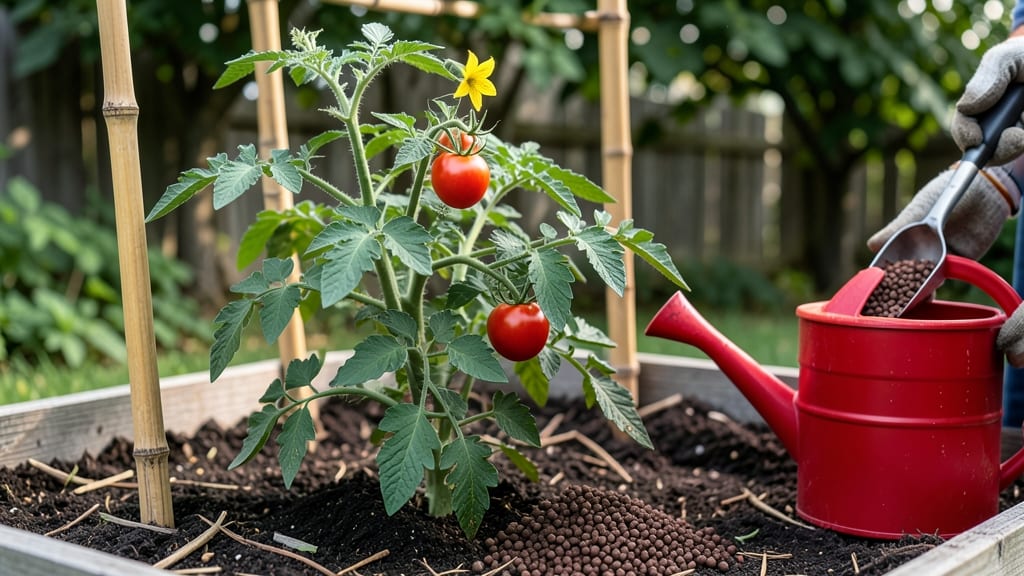
To know how often tomato plants should be fertilized, you’ll want to feed them every 2-4 weeks once they hit 6-8 inches tall—but timing and type matter just as much as frequency.
Tomato plants are hungry growers—feed them too little, and you’ll sacrifice yield; too much, and you’ll burn their roots. But getting the fertilization timing just right is the secret to juicy, high-producing tomatoes all season long.
Most gardeners overlook how different stages (seedlings, flowering, fruiting) need different nutrients. A light feed at planting gives roots a boost, while heavy nitrogen later steals energy from fruit production.
I’ll walk you through the exact schedule, organic vs. synthetic options, and how to spot when your 🍅 plants are begging for food—or screaming "too much!"
By the end, you’ll know when to pause feeding, how to read your plants’ leaves, and which DIY fertilizers (like banana peel tea) actually work—no guesswork, just peak harvests.
Optimal tomato fertilization schedule by growth stage: weekly & monthly breakdown
Tomato plants aren’t just picky eaters—they have three distinct nutritional phases that demand different feeding strategies. Seedlings need gentle nourishment, flowering plants crave phosphorus, and fruit-bearing bushes require potassium. Timing your fertilizer applications to match these stages is the difference between a handful of tomatoes and a bountiful harvest.
Most gardeners make two critical mistakes: over-fertilizing early (which burns tender roots) or under-feeding during fruiting (which stunts production). The solution? A stage-specific schedule that aligns with your plant’s natural growth rhythm. Let’s break it down by week and month, plus compare organic vs. synthetic options for each phase.
🌱 Key Insight: Tomato plants need 3x more nitrogen during vegetative growth (seedling phase) but shift to higher phosphorus/potassium ratios (10-10-10 or 5-10-10) once flowering begins. This shift prevents leafy monsters with no fruit.
For monthly planning, think of May-July as your peak feeding window. Start with a light application in early May (when plants hit 6-8 inches), then feed again in mid-June and late July—just as flowers transition to fruit.
By August, switch to potassium-rich fertilizers or compost to boost flavor and disease resistance.
Synthetic fertilizers like 5-10-10 offer precise nutrient control, but organic options (like compost or fish emulsion) improve soil structure long-term. My go-to hybrid approach? Use synthetic for flowering/fruiting stages (for predictable results) and organic in early season (to build soil health).
For example, mix 1 tbsp 10-10-10 with 1 cup compost per plant every 4 weeks.
Watch for leaf curl or yellowing—common signs of nutrient imbalance. Over-fertilized tomatoes show crispy leaf edges, while under-fed plants develop pale, weak stems. The goal is steady, balanced growth, not rapid spikes that stress the plant. Think of fertilization like a slow dance, not a sprint.
🌿 Seasonal Adjustments: In cooler months (April/May), reduce frequency to every 4-6 weeks. In heatwaves (July-August), increase watering by 30% to flush nutrients and prevent root burn. Always fertilize in the morning to avoid nighttime moisture stress.
For container-grown tomatoes, halve the fertilizer amounts—roots have less soil to access nutrients. And if you’re growing heirloom varieties, which are often slower to mature, extend the seedling phase feeding by 2-3 weeks to build stronger stems before flowering.
🍅 Real-World Example: Last summer, my Brandywine tomatoes produced 40% more fruit when I switched to weekly compost tea during flowering (instead of synthetic fertilizer). The organic boost improved root health and fruit sweetness, proving that timing + method matter as much as the product itself.
Signs your tomato plants need fertilizer (and when to stop feeding)
Your tomato plants are sending clear signals when they need extra nutrients. Yellowing leaves, especially on older foliage, often mean nitrogen deficiency, while purple stems or slow growth can indicate phosphorus or potassium shortages. These visual cues help you adjust your feeding schedule before problems escalate.
On the flip side, over-fertilizing creates its own set of red flags. Leaf burn along edges or blossom-end rot on fruits are classic signs you've overdone it. Even excessive leafy growth with few tomatoes suggests an imbalance in nutrients. Learning to read these signs helps you strike the perfect balance.
⚠️ callout-warning
How often should tomato plants be fertilized? Every 4-6 weeks during active growth (spring-fall). Stop feeding 4-6 weeks before first frost or when plants show leaf burn or blossom-end rot. Winter months require zero fertilization—plants rest during dormancy. Organic options like compost tea break down slower, reducing burn risk.
Start by examining your plants' leaf color and growth patterns. Healthy tomato plants have deep green leaves and steady vine growth. If you notice yellowing between veins, it's often a nitrogen deficiency—time for a balanced fertilizer.
For stunted growth despite good sunlight, phosphorus may be lacking, which supports root and flower development.
Pay attention to your tomatoes themselves. Small, misshapen fruits or blossom-end rot (a dark, sunken spot at the bottom) are direct results of nutrient imbalances. Calcium deficiency causes blossom-end rot, while potassium shortages lead to weak stems and poor disease resistance.
Adjust your fertilizer to include more calcium or potassium as needed.
Knowing when to stop feeding is just as important. Late summer is the last call for fertilization—stop about 6 weeks before frost to let plants focus on ripening existing fruit.
Over-fertilizing at this stage can delay maturity or even prevent flowering next season. Always water thoroughly after feeding to help nutrients reach roots.
For container-grown tomatoes, monitor more frequently since nutrients deplete faster. Potted plants may need feeding every 3-4 weeks instead of 6. Use a slow-release fertilizer or organic options like worm castings to maintain steady nutrient levels without risking burn.
Trust your observations and adjust gradually. Tomato plants thrive on consistency—whether you're using organic compost or synthetic blends. When in doubt, a soil test reveals exactly what your plants need before symptoms appear. 🌱