
Planting
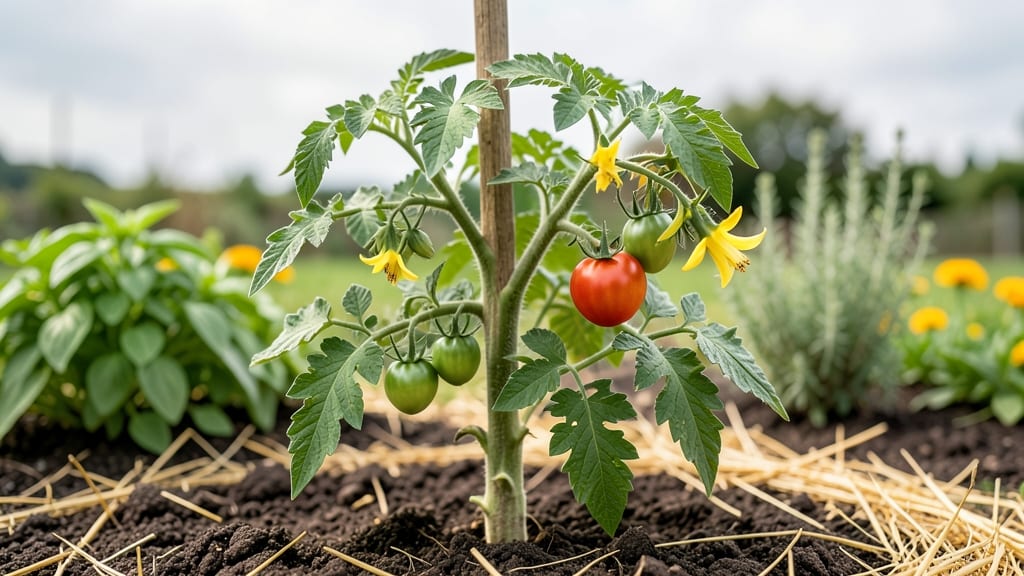
Tomato flowering plants need just the right balance of sun, water, and care to turn those delicate blossoms into plump, juicy fruits. 🌞 I’ve watched my tomato plants go from lush green vines to heavy-laden branches, and the key moment always starts when those first yellow flowers appear—if you get this stage right, you’re halfway to a harvest that’ll make your neighbors jealous.
The secret isn’t complicated: consistent sunlight (at least 6-8 hours daily), gentle watering (deep but infrequent to avoid stress), and a light hand with fertilizer (too much nitrogen = more leaves, fewer flowers).
I’ve learned the hard way that skipping this balance leads to blossom drop or stunted fruit—so we’ll cover exactly how to keep your plants happy and productive.
By the end, you’ll know how to support pollination (even if bees are scarce), adjust care as temperatures rise, and spot trouble before it derails your harvest. Those first green tomatoes will be your reward for paying attention now—trust me, it’s worth every extra minute of care.
Whether you’re dealing with a heatwave, a sudden pest invasion, or just eager to maximize every bloom, these steps will help you turn flowering into fruiting like a pro. Let’s get those tomatoes growing!
📚 In This Guide
- What you need
- Instructions
- Tips and common mistakes
- Wrapping up and next steps
What you need
- ● Tomato Seeds or Seedlings: Determinate varieties (bush tomatoes) or indeterminate (vining) varieties—choose based on your space and goals.
- ● Quantity: 4–6 plants per person (for fresh eating) or 1–2 plants per container (if growing in pots).
- ● Growing Containers or Garden Bed: Containers: 5-gallon pots or larger (minimum 12" deep) with drainage holes. Quantity: 1 per plant.
- ● Garden Bed: Well-draining soil in a sunny spot (6–8+ hours of sunlight daily).
- ● High-Quality Potting Mix: Sterilized, organic mix with perlite or vermiculite for aeration. Quantity: 1–2 bags (1.5–2 cubic feet) per 4–6 plants.
- ● Fertilizer: Balanced organic fertilizer (10-10-10) or tomato-specific fertilizer. Quantity: Follow package instructions (typically 1–2 tbsp per plant every 2–3 weeks).
- ○ Optional: Slow-release granules (like Osmocote) for convenience.
- ● Hand Trowel or Transplant Spade – For planting seedlings or mixing soil.
- ● Watering Can or Hose with Gentle Nozzle – Avoid blasting seeds/seedlings.
- ● Pruning Shears – To trim suckers and encourage flowering (sterilize blades with rubbing alcohol!).
- ● Stakes or Cages – Indeterminate varieties need support (4–6 ft tall). Quantity: 1 per plant.
- ● Mulch (Straw or Shredded Leaves) – Retains moisture and suppresses weeds. Quantity: 2–3 inches per bed.
- ● pH Test Kit – Ideal soil pH for tomatoes: 6.0–6.8.
- ○ Optional: Grow lights (if starting seeds indoors before last frost).
- ● Café or tomato cages (for compact varieties).
- ● Epsom salt (1 tbsp per gallon of water) for magnesium boost during flowering.
- ● Sunlight: Full sun (6+ hours daily) is non-negotiable for flowering!
- ● Warmth: Soil temp should be 55–60°F (13–16°C) for seeds to germinate; seedlings thrive at 70–85°F (21–29°C).
- ● Water: Consistent moisture (1–2 inches per week), but avoid soggy soil.
- ● Patience: Flowering takes 6–8 weeks from transplanting (or 10–14 weeks from seed).
How to encourage tomato flowering for heavy fruit set
Sunlight triggers blooms—but timing, temperature, and care make all the difference. Here's how to turn your tomato plants into flowering powerhouses.
☀️ Step 1: Position Plants for Maximum Sunlight
Tomatoes need 6-8 hours of direct sunlight daily to trigger flowering. Place plants where they receive morning sun and afternoon light without harsh midday shadows. If growing in containers, rotate pots a quarter turn weekly so stems grow straight rather than leaning toward the light.
You'll know your plants are getting enough light when they develop deep green leaves and compact growth rather than stretching toward the sky. If leaves appear pale or stems grow thin, move the plant closer to a south-facing window or supplement with a grow light.
🌱 Step 2: Maintain Consistent Watering and Fertilization
Flowering stops when plants experience stress—especially water fluctuations. Water at the base 1-1.5 inches deep every 2-3 days, letting the top inch of soil dry out between waterings. Use a moisture meter to check soil moisture; tomatoes prefer slightly dry soil over soggy roots.
Switch to a balanced fertilizer (10-10-10) once flowers appear to support fruit development. I apply fertilizer every 2-3 weeks during the growing season, always watering after application to prevent root burn. Avoid high-nitrogen fertilizers—they encourage leafy growth at the expense of blooms.
🌿 Step 3: Prune for Airflow and Flower Stimulation
Remove suckers (the small shoots growing between the main stem and branches) to direct energy toward fruit production. Pinch suckers off with your fingers when they're about 2 inches long. This ensures the plant focuses on developing flowers rather than extra foliage.
Also, prune lower leaves that touch the soil to prevent disease and improve airflow. Aim to keep the plant open and airy—this reduces humidity around flowers, which helps prevent blossom-end rot and encourages more blooms to set fruit.
⏰ Step 4: Monitor Temperature and Pollination
Tomatoes need daytime temperatures between 70-85°F for optimal flowering. If nights dip below 55°F, blooms may drop off. Use row covers or move potted plants to a sheltered spot during cold snaps. If your area experiences high heat (90°F+), provide afternoon shade to prevent flower drop.
Hand-pollinate flowers if your garden lacks bees by gently shaking plants in the morning or using a small paintbrush to transfer pollen. You'll know pollination worked when flowers start forming tiny green fruits within 7-10 days. Keep an eye out for yellowing or wilting flowers, which may indicate stress or poor pollination.
🌱 Step 5: Support Continuous Flowering Through the Season
To keep tomatoes producing blooms all season, remove spent flowers and small green fruits when they reach 1 inch in size. This encourages the plant to focus on developing larger, healthier fruit rather than maintaining a heavy load. I also add a calcium supplement (like crushed eggshells) to the soil to prevent blossom-end rot, which can halt flowering.
Watch for signs of nutrient deficiency, like yellowing leaves or stunted growth. If you notice these, switch to a phosphorus-heavy fertilizer (5-10-10) to boost flowering and fruiting. With consistent care, your tomato plants will keep producing blooms—and eventually, a bountiful harvest—throughout the growing season.
Tips & tricks for encouraging tomato flowering
These simple tricks will help you coax more blooms from your tomato plants without the guesswork.
Sunlight Strategy: The 6-8 hours of sunlight in Step 1 is non-negotiable, but here's what I've learned: East-facing windows get morning sun but may lack afternoon light—supplement with a grow light for 2-3 hours in the evening if needed. South-facing windows are ideal, but watch for afternoon shade from nearby trees or structures that could block those crucial rays.
Watering Wisdom: When checking soil moisture in Step 2, stick your finger about 1-1.5 inches deep—that's where the roots are actively growing. If it feels dry at that depth, it's time to water. I've found that watering in the morning gives roots time to absorb moisture before evening evaporation, which helps prevent stress that can cause flowers to drop.
Pruning Precision: For Step 3's sucker removal, I recommend using your fingernail to gently scrape the base of the sucker rather than pinching it off. This prevents damaging the main stem. Also, leave the first few sets of leaves intact—they provide energy for early growth before the plant develops its own foliage canopy.
Temperature Troubleshooting: If your area experiences those 55°F nighttime dips from Step 4, consider using floating row covers during the evening. They trap just enough warmth while still allowing sunlight through. For high-heat areas (90°F+), shade cloth works wonders—just make sure it doesn't block airflow completely, which can cause humidity-related issues.
Pro Tips for Tomato Flowering Plant
- These simple tricks will help you coax more blooms from your tomato plants without the guesswork.
- Sunlight Strategy: The 6-8 hours of sunlight in Step 1 is non-negotiable, but here's what I've learned: East-facing w...
- Watering Wisdom: When checking soil moisture in Step 2, stick your finger about 1-1.5 inches deep—that's where the ro...
Frequently asked questions
Got questions about getting your tomato flowering plants to bloom and produce fruit?
Here are some of the most common concerns—and their answers—to help you grow a thriving harvest.
How long does it take for tomato plants to flower after transplanting?
Most tomato flowering plants will start blooming 4-8 weeks after transplanting, depending on variety, sunlight, and temperature. Determinate (bush) types often flower faster (4-6 weeks), while indeterminate (vining) varieties may take longer (6-8 weeks). Keep them in full sun (6+ hours/day) and warm soil (60°F+) to speed things up!
Why aren’t my tomato flowers turning into fruit?
This is often due to temperature stress—tomatoes need warm days (70°F+) and cooler nights (55-65°F). If flowers drop or fruit fails to set, check for:
- Heat stress (above 90°F can stop pollination)
- Cold snaps (below 55°F disrupts blooms)
- Lack of pollinators (hand-pollinate with a paintbrush if bees are scarce)
Can I prune tomato plants when they’re flowering?
Yes, but prune lightly! Focus on removing:
- Suckers (side shoots in leaf axils)
- Lower leaves touching soil (to prevent disease)
- Damaged or yellowing foliage
What’s the best way to encourage more tomato flowers?
Boost blooms with these tricks:
- Fertilize with low-nitrogen, high-phosphorus food (like 5-10-10) when buds form.
- Water consistently—dry spells stress plants, while overwatering can cause blossom end rot.
- Use shade cloth (30-50%) if temps exceed 90°F to prevent flower drop.
- Try a calcium spray (like calcium nitrate) to prevent blossom issues.
Are there tomato varieties that flower and fruit faster?
For quick harvests, try these early-blooming, fast-fruiting varieties:
Variety
Days to First Fruit
Type
Early Girl
50-60 days
Indeterminate
Stupice
45-55 days
Determinate (cherry)
Sungold
55-65 days
Indeterminate (cherry)
Patio Princess
45-50 days
Determinate (compact)
Wrapping up and next steps
Growing a thriving tomato flowering plant is all about patience, care, and a little sunshine! 🌞 By understanding their needs—from proper sunlight and pollination to consistent watering—you’re well on your way to a bountiful harvest. Remember, every blossom is a promise of delicious tomatoes to come.
Ready to take the next step? Start with just one plant and watch your confidence (and garden!) grow. Happy planting—your future meals will thank you! 🍅✨