
How To
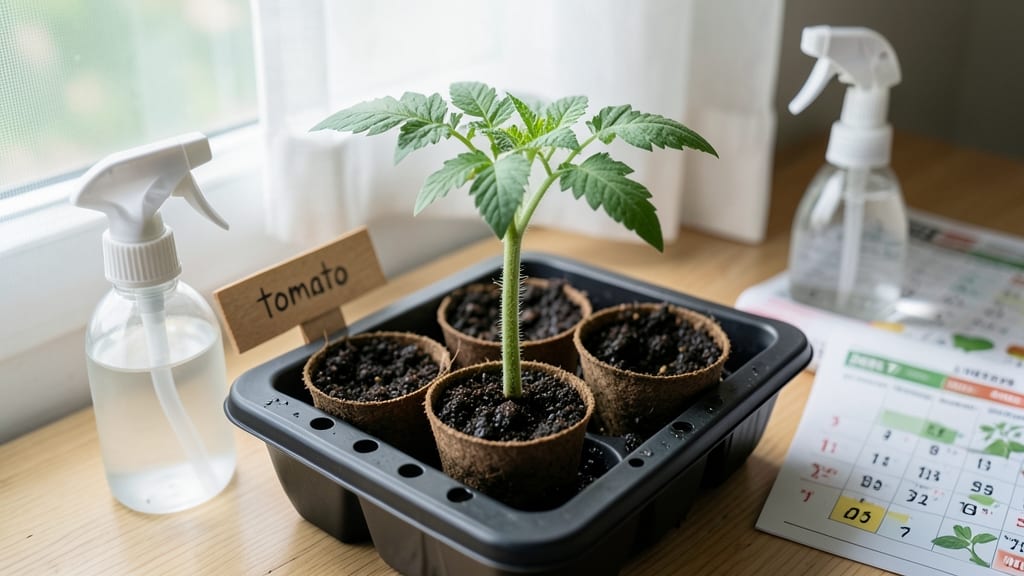
Starting tomato seeds indoors in Zone 7 between late January and early February ensures your 🍅 plants mature just in time for transplanting after the last frost.
Timing is everything when growing tomatoes in Zone 7—start your seeds too early, and you’ll waste resources; too late, and your plants won’t mature before frost. Here’s your exact week-by-week schedule to ensure robust seedlings ready for transplanting at the perfect moment.
Zone 7 gardeners face a 6–8 week window between seed starting and transplanting, which means missing the mark by even a few days can mean the difference between a bountiful harvest and a sad, stunted plant. The key is knowing your last frost date—typically mid-April—and working backward from there.
In this guide, you’ll discover the precise weeks to start seeds, how to adjust for early or late frosts, and the best practices for hardening off seedlings so they thrive once they hit the garden. Let’s get those tomatoes off to the right start!
Zone 7 tomato seed starting calendar: exact weeks to plant for maximum yield
Growing tomatoes in Zone 7 means balancing early spring warmth with late frost risks. Your seed-starting window is tight—typically 6-8 weeks before your last frost date (usually mid-April in most of Zone 7).
Miss this window, and you’ll either have overgrown seedlings or plants that never mature before fall. Here’s your exact timeline to avoid both pitfalls.
For Zone 7 gardeners, the ideal start date for tomato seeds indoors falls between late January and early March. This timeline accounts for seedling growth speed, hardening off, and transplanting after frost.
But not all tomatoes are created equal—determinate varieties (bush types) can handle slightly later starts, while indeterminate varieties (vining types) need that extra time to reach their full potential.
🚨 Key Takeaway: Your last frost date is the anchor for this entire schedule. In Zone 7a (colder microclimates), aim for February 15 starts. In Zone 7b (warmer areas), you can push it to March 1 without risking late frosts. Always check your local almanac or extension office for precise dates—even a 2-week shift can mean the difference between a bountiful harvest and a wasted season.
Let’s break down the critical phases of this timeline. First, indoor seed starting begins 8 weeks before your last frost date. For most of Zone 7a, that means late January. If you’re in Zone 7b, you can wait until early February.
The key here is consistent warmth—tomato seeds need soil temperatures between 70-80°F to germinate properly. Use a seedling heat mat if your home runs cooler.
Once your seeds sprout (usually within 7-14 days), shift to 12-16 hours of light daily. This is where many gardeners go wrong—their seedlings become leggy and weak from insufficient light.
If your south-facing window isn’t cutting it, invest in grow lights. Without enough light, your seedlings will stretch toward the sun, creating weak stems that snap easily during transplanting.
By mid-March, your seedlings should have 2-4 true leaves. This is the perfect time to harden them off, a 2-week process where you gradually expose them to outdoor conditions. Start with 1 hour per day in a sheltered spot, then increase by 30 minutes daily.
Hardening off teaches your seedlings to tolerate wind, sun, and temperature fluctuations—critical for their survival after transplanting.
Transplanting happens 1-2 weeks after your last frost date. In Zone 7, this typically falls between mid-April and early May. Wait too long, and your indeterminate varieties (like Sungold or Brand
Critical factors that shift your tomato seed starting window in Zone 7
Your tomato seed starting window in Zone 7 isn’t one-size-fits-all—it shifts based on soil warmth, daylight hours, and whether you’re growing determinate or indeterminate varieties. These factors can push your ideal planting date 2-4 weeks earlier or later than the standard 6-8 week rule.
Understanding them helps you avoid weak seedlings or missed harvests.
First, soil temperature is your biggest clue. Tomato seeds need 70-85°F soil to germinate, but indoor starting means you’re bypassing this—until transplanting. If your spring warms up earlier than usual, you might start seeds 2 weeks sooner.
Conversely, a late frost could delay your outdoor move by 3+ weeks, requiring an earlier indoor start.
Daylight hours also play a role. In Zone 7, daylight stretches from 10 hours in March to 14+ hours in June. Seedlings need 12-16 hours of light daily to avoid legginess.
If you’re starting seeds in January or early February, supplement with grow lights to mimic longer days. Skip this, and your seedlings will stretch toward the window, weakening their stems.
Adjust Your Tomato Seed Starting Window Based On:
✅ Start Earlier If...
- Soil warms fast: Early spring temps hit 65°F+ by March
- Indeterminate varieties: Need 8-10 weeks to mature
- Late frost risk: Local forecasts predict May frosts
❌ Start Later If...
- Slow soil warming: Ground stays 55°F or below until April
- Determinate varieties: Only need 6-7 weeks to fruit
- Early warm spell: Last frost passes by April 1st
Next, tomato type changes your timeline. Determinate tomatoes (like Roma or Celebrity) mature faster—often in 60-70 days. These can start 2 weeks later than indeterminate varieties (like Sungold or Brandywine), which need 80+ days to produce.
For example, if your last frost is April 15, indeterminate seeds should start February 15, while determinate seeds can wait until February 28.
Unexpected weather shifts can throw off your plan. A cold snap in March might delay transplanting, so start seeds 3 weeks early as a buffer. Conversely, if your area has a mild winter, you might delay starting until late February without risking weak seedlings.
Always check local frost dates and adjust your hardening-off schedule accordingly.
Finally, indoor growing conditions matter. If your home stays below 65°F, use a seedling heat mat to maintain 75-80°F for faster germination. Without one, seeds may take 10-14 days to sprout instead of 5-7 days.
Pair this with 14-hour grow lights, and you’ll have stocky seedlings ready for transplanting—no matter what Zone 7 throws your way.