
How To
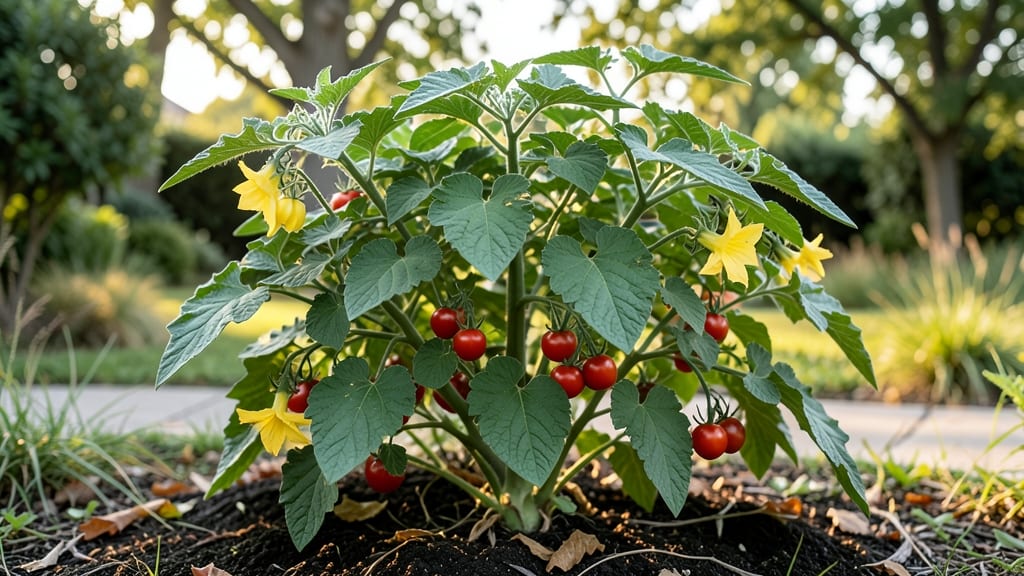
How tall do grape tomato plants grow? They range from compact 2-foot bushes to towering 6-foot vines, depending on the variety—and that difference can completely change how you plan your garden.
Picture this: one plant stays neatly compact, perfect for a patio pot, while another sprawls like a jungle vine, needing a sturdy trellis or cage.
If you're working with limited space or dreaming of a lush vertical garden, knowing these heights is the key to avoiding crowded plants or wasted space.
Most varieties fall into three categories: dwarf types (2–3 feet), semi-dwarf (3–4 feet), and indeterminate vines that can climb 6 feet or more if left unchecked.
The right choice depends on whether you want a quick harvest from a bush or a long-season vine that keeps producing all summer.
Below, I’ll break down the height ranges by variety, how to control their growth with pruning and trellising, and why some gardeners swear by dwarf types for small spaces while others love the endless harvest of towering vines.

Grape tomato plant height by variety: compact vs. towering options
Grape tomatoes are a gardener’s dream—they’re prolific, sweet, and perfect for snacking straight off the vine. But here’s the catch: their height varies dramatically depending on the variety. Some stay as short as 18 inches, while others climb like jungle vines to 10 feet or more.
Choosing the right size for your space can mean the difference between a neat container garden and a wild, sprawling mess.
If you’re working with limited space, dwarf varieties like 'Tiny Tim' are your best bet—they’re designed for containers and small gardens. But if you have vertical space or a trellis system, indeterminate varieties like 'Sweet Million' will reward you with continuous harvests all season long.
Let’s break down the height ranges and what they mean for your garden layout.
Comparison Table: Grape Tomato Heights by Variety
As you can see, dwarf varieties like 'Tiny Tim' are perfect for container gardening or balcony setups, while indeterminate vines like 'Sweet Million' need serious support—think trellises or cages that can handle 10+ feet of growth.
The key is matching the variety to your space and support system to avoid overcrowding or wasted potential.
For small-space gardens, opt for determinate varieties like 'Sweet 100' or 'Sun Gold'. These stay compact and bushy, producing a single flush of fruit before slowing down.
They’re ideal for raised beds or in-ground plots where you want tidy, manageable plants. Just be prepared for a shorter harvest window compared to their vining counterparts.
On the other hand, indeterminate varieties like 'Black Cherry' or 'Golden Sweet' are continuous producers. They’ll keep growing and fruiting all season if given the right support and care.
These are the stars of vertical gardens—imagine a 6-foot trellis heavy with red, black, or golden tomatoes! Just be ready to prune regularly to encourage airflow and prevent disease.
If you’re growing in containers, stick to dwarf or semi-dwarf varieties. A 5-gallon pot is perfect for 'Tiny Tim', but it’ll struggle with a 6-foot vine. For container gardening, also choose self-pollinating varieties like 'Sweet 100' to avoid the hassle of hand-pollinating.
And don’t forget—larger containers mean you’ll need to water more frequently and fertilize regularly to keep up with the plant’s growth.
For large gardens or trellis systems, indeterminate varieties shine. They’ll climb and sprawl, producing hundreds of tomatoes over the season. To maximize yield, train them to grow vertically using a strong trellis or cage.
This not only saves space but also improves air circulation, reducing the risk of fungal diseases like blight. Plus, a vertical display adds a stunning visual element to your garden!
One common mistake is assuming all grape tomatoes are low-growing bushes. Many gardeners end up with overgrown vines that take over their garden if they don’t research the variety first. Always check the growth habit before buying seeds or seedlings.
And if you’re unsure, ask your local nursery for recommendations based on your space. They’ve seen what works—and what doesn’t—in your climate!
Pro tip: If you love the idea of indeterminate varieties but have limited space, consider espalier training. This technique involves training vines flat against a wall or fence, creating
How to control grape tomato plant height for small gardens
Grape tomato plants are versatile, but their height can vary dramatically—some sprawl like vines, while others stay compact. In small gardens, managing their growth isn’t just about aesthetics; it’s about maximizing yield and airflow to prevent disease.
The key lies in pruning, trellising, and strategic training tailored to your space. Whether you’re working with a determinate variety (bush-type) or an indeterminate vine, these techniques will keep your plants in check without sacrificing productivity.
First, understand that indeterminate grape tomatoes (like 'Sweet Million') can grow 6-10 feet tall if left unchecked, while determinate varieties (like 'Tiny Tim') max out around 2-3 feet.
Your goal is to train them to your garden’s vertical space, whether that’s a 3-foot trellis or a cage system. Start early—pruning and staking within the first 4-6 weeks sets the foundation for controlled growth and better fruit production.
For organic support options, try coconut coir ties or hemp twine—both are gentle on stems and biodegradable. If you prefer synthetic, plastic plant clips or velcro straps offer durability.
Pro tip: Mulch around the base with straw or grass clippings to retain moisture and suppress weeds, which can compete with your tomatoes for nutrients.
Don’t forget to monitor for pests like aphids or whiteflies, which thrive on leggy, unpruned plants. A weekly neem oil spray keeps them at bay while promoting healthy, compact growth. With these techniques, even indeterminate vines can thrive in small spaces, producing bountiful harvests without overpowering your garden.
Remember, the earlier you intervene, the easier it is to control height. Start with regular pruning and support, and your grape tomatoes will reward you with neat, productive plants that fit perfectly in your garden’s layout. Happy growing! 🌱