
How To
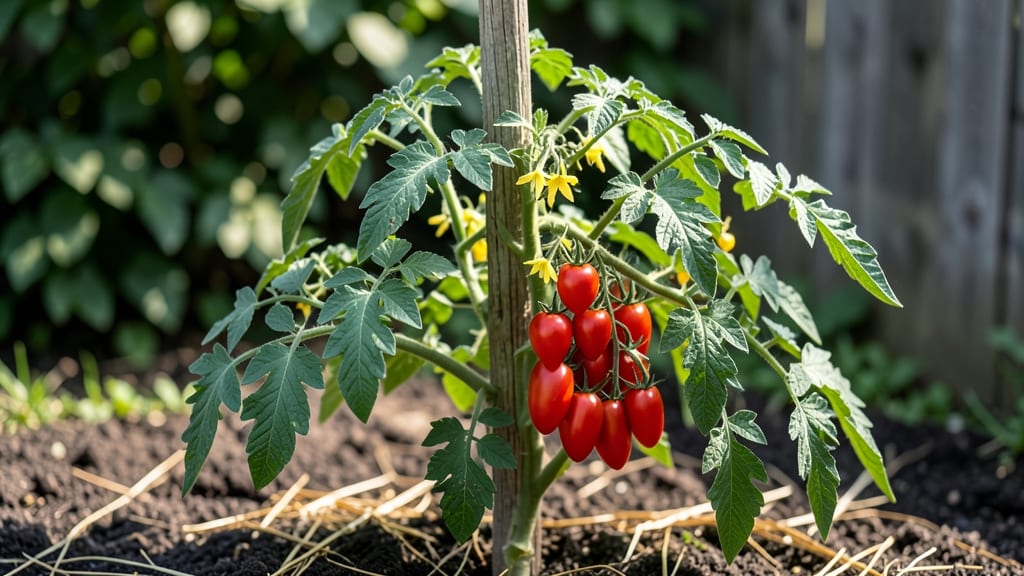
A Roma tomato plant grows between 3 and 6 feet tall, depending on whether you’re growing the indeterminate or determinate variety—two types with completely different space needs.
If you’ve ever crammed a sprawling vine into a tiny garden bed, only to watch it flop over and smother nearby plants, you know how critical this height difference is.
The indeterminate types can climb like a jungle gym, while the compact determinate ones stay neatly contained. That’s the key to planning your layout without wasting precious space.
For gardeners in USDA Zone 6a, where spring planting runs from April to May, choosing the right type means the difference between a tidy, high-yielding patch and a tangled mess.
Below, I’ll break down how to pick the perfect variety for your space, whether you’re trellising or letting them sprawl.
You’ll also learn how to control even the tallest vines naturally—no harsh pruning required—so you can maximize your harvest without sacrificing flavor or yield.

Roma tomato plant height by growth type: indeterminate vs determinate explained
When planning your Roma tomato garden, the first question I always ask is: How tall will these plants grow? The answer depends entirely on whether you're growing indeterminate or determinate varieties, as their growth habits couldn't be more different.
Indeterminate Roma tomatoes can reach 6-10+ feet with proper support, while determinate types max out at 2-4 feet. This difference impacts everything from spacing to trellising strategies, so let's dive into the specifics.
I've seen indeterminate Roma plants in my own garden climb my 8-foot trellis and still keep growing if left unchecked. These vines produce fruit all season long, but their unlimited vertical growth requires careful planning.
Determinate types, on the other hand, grow in a compact bush form and set most of their fruit in one flush, making them ideal for container gardens or small spaces.
| Growth Type | Mature Height | Growth Habit | Fruit Production | Best For |
|---|---|---|---|---|
| Indeterminate | 6-10+ feet | Vining, continuous | All season long | Large gardens, trellises |
| Determinate | 2-4 feet | Bushy, compact | Single main harvest | Containers, small spaces |
The indeterminate Roma varieties like 'Roma VF' or 'Plum Dandy' will keep growing taller if you don't prune them, while determinate types such as 'Roma Super Sauce' or 'Roma II' stop growing once they reach their mature height.
This means indeterminate plants need strong support structures like trellises or cages, while determinate plants can often thrive without any support at all.
In my small urban garden, I've successfully grown determinate Roma plants in 5-gallon containers on my balcony, producing enough tomatoes for sauces all season. The key was choosing the right variety and giving them enough space to spread out.
For indeterminate types, I use 6-foot tomato cages and supplement with wooden stakes for extra support during heavy fruiting periods.
One common mistake I see gardeners make is underestimating indeterminate growth. I've watched Roma vines in neighboring gardens sprawl across fences and climb onto nearby structures when not properly contained.
Always plan for at least 6 feet of vertical space when growing indeterminate varieties, and consider adding 1-2 extra feet for good measure.
For determinate Roma plants, spacing is crucial too. I recommend giving each plant 18-24 inches of space in all directions to prevent overcrowding. This allows for good air circulation, which is especially important for preventing blossom end rot and other common tomato diseases.
In my raised beds, I plant determinate Roma tomatoes in a 3x3 foot grid for optimal airflow and sunlight exposure.
When it comes to harvest timing, indeterminate plants give you a prolonged harvest window, while determinate types produce most of their fruit within a 2-3 week period.
This makes indeterminate varieties ideal for extended canning projects, while determinate types work better for single-batch sauces or fresh eating when all fruit ripens at once.
If you're working with limited space, consider dwarf or semi-dwarf Roma varieties like 'Roma Tiny Tim' which max out at 3-4 feet. These are perfect for container growing and can even thrive in hanging baskets with proper support.
I've had great success with these in my patio garden, where vertical space is at a premium.
Remember that pruning practices can also influence your Roma tomato's height. For indeterminate varieties, regular pruning of suckers can help control height while increasing fruit size. I typically prune my indeterminate plants to 5-6 main stems to manage their growth while maintaining high yields.
For determinate types, minimal pruning is needed unless you're dealing with overcrowded foliage.
Whether you choose tall indeterminate or compact determinate Roma tomatoes, understanding their growth habits will help you create the perfect garden layout. Start by assessing your available space, then select varieties that match your growing conditions and goals.
With the right approach, you'll have a productive Roma tomato harvest no matter how much (or little) space you have to work with! 🌱
How to control Roma tomato plant height naturally (without sacrificing yield)
Indeterminate Roma tomato plants can grow 8-12 feet tall if left unchecked, while determinate varieties max out at 3-4 feet. The key to managing height lies in pruning techniques and support systems that redirect energy toward fruit production rather than vertical growth.
My favorite method combines strategic pruning with organic growth regulators to keep vines productive without sacrificing yield.
For indeterminate varieties, the goal is to maintain a 4-6 foot height by removing suckers and lateral shoots. This approach prevents overgrowth while maximizing fruit exposure to sunlight.
Determinate types require minimal intervention but benefit from cage support or staking to prevent sprawling. Let’s break down the step-by-step process for natural height control.
- Step 1: Install Support Early - Set up trellises or cages at planting to guide growth upward. Use galvanized wire or bamboo stakes for indeterminate varieties.
- Step 2: Prune Suckers Weekly - Remove suckers (shoots in leaf axils) when they’re 2-3 inches long to prevent excessive branching. Focus on the lower 1/3 of the plant first.
- Step 3: Top the Main Stem - Once the plant reaches 5-6 feet, pinch off the top growth to encourage bushier growth and fruit set. This redirects energy to existing branches.
- Step 4: Apply Organic Regulators - Use seaweed extract or fish emulsion diluted to 1:10 ratio every 4 weeks to slow excessive growth without chemicals.
- Step 5: Thin Fruit Clusters - Remove small or deformed tomatoes to reduce plant stress and improve air circulation. Aim for 5-7 tomatoes per cluster for optimal size.
- Step 6: Mulch Heavily - Apply 3-4 inches of straw mulch to retain moisture and regulate root temperature, which naturally slows vertical growth.
One common mistake gardeners make is over-pruning during flowering, which can reduce fruit production. Always leave 3-4 main stems on indeterminate plants to maintain yield. Another pitfall is ignoring support systems—vines left to sprawl become tangled and prone to disease.
I’ve found that combine pruning with trellising yields the best results for both height control and fruit quality.
Seasonal timing matters too. In spring and early summer, focus on removing suckers and training vines. By mid-summer, shift to fruit thinning and light pruning to avoid stressing the plant before harvest. This phased approach keeps your Roma tomatoes productive and manageable throughout the growing season.
For container growers, use dwarf or semi-dwarf varieties and prune aggressively to keep plants under 3 feet tall. In-ground plants can handle more height but require stronger support structures like tomato towers or A-frame trellises.
The right balance of pruning, support, and organic regulators ensures your Roma tomatoes stay compact yet high-yielding.
Remember, the goal isn’t to stifle growth but to guide it strategically. With these techniques, you’ll enjoy plumper, healthier tomatoes while keeping your garden organized and space-efficient. Happy growing!