
Pests
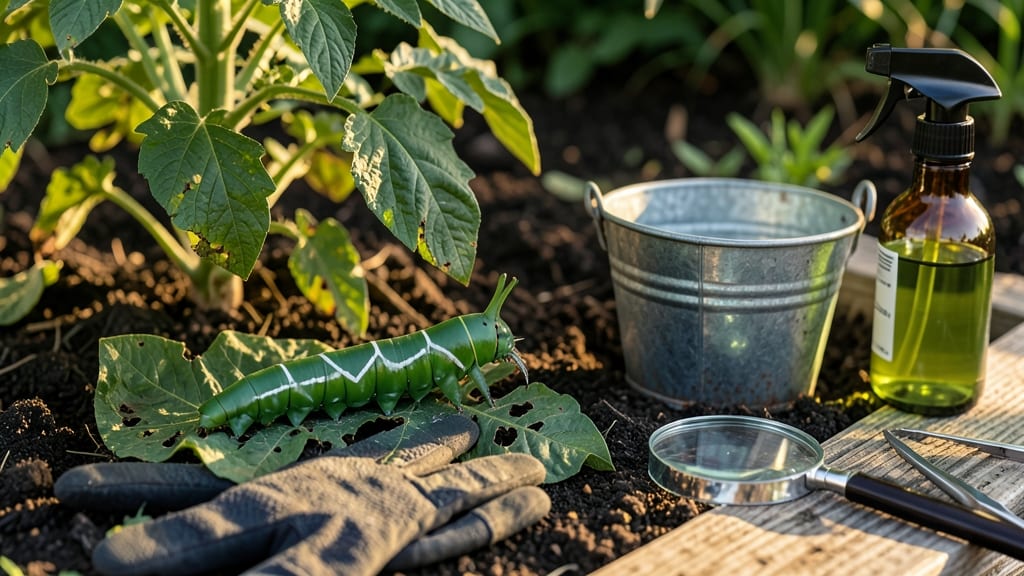
Your tomato plants are being eaten alive—and the culprit is those green, inch-long monsters with white stripes. 🌱 Tomato hornworms can strip a plant bare overnight, but I’ve learned the fastest way to stop them: hand-picking. It’s brutal but effective, and it keeps your garden chemical-free.
The key is timing—check plants early morning or evening when hornworms are sluggish and easy to spot. Grab a pair of gloves and a bucket of soapy water, then hunt for the telltale signs: chewed leaves, black droppings, or the worms themselves blending into foliage.
One plant can hide 5-10 hornworms, so inspect thoroughly.
Once you find them, drop them into soapy water—no mercy. Repeat daily for a week to break their life cycle. Your plants will bounce back faster than you think, and you’ll avoid the heartbreak of watching your harvest disappear.
The best part? This method works instantly and costs nothing.
For prevention, introduce parasitic wasps (they hunt hornworms naturally) or plant dill or fennel nearby—the hornworms’ favorite snack. A little upfront work means fewer battles later. Let’s get those tomatoes back on track!
📚 In This Guide
- What you need
- Instructions
- Tips and common mistakes
- Wrapping up and next steps
What you need
- ● Gloves (1 pair) – Opt for thick, durable garden gloves (nitrile or leather) to protect your hands from stings and dirt.
- ● Tweezers or tongs (1 pair) – Long-handled tweezers (6+ inches) work best for reaching hornworms without squishing them.
- ● Bucket or container (1 gallon or larger) – A wide-mouth bucket with a lid to temporarily hold hornworms before disposal.
- ● Soapy water (1 gallon) – Mix 1 tbsp dish soap (like Dawn) with warm water for humane disposal.
- ● Garden shears or pruners (1 pair) – For clipping heavily infested leaves or removing hornworm eggs.
- ○ Flashlight or headlamp (optional, for evening checks) – Hornworms are nocturnal, so a light helps spot them after dark.
- ● Neem oil spray (8 oz bottle) – Dilute with water (1 tsp per quart) to deter future hornworms (apply in the evening).
- ● BT (Bacillus thuringiensis) spray (4 oz) – A natural bacterial pesticide safe for humans and pets; spray on leaves to target caterpillars.
- ● Magnifying glass (for egg inspection) – Helps spot tiny white eggs (pea-sized) laid on leaves.
- ● Plastic bag (1-2) – For quick disposal if you prefer not to use soapy water.
Step-by-step instructions for eliminating tomato hornworms
Here’s the foolproof method I’ve used for years—no chemicals, just smart timing and a little elbow grease.
🌿 Step 1: Scout Your Plants at Dawn or Dusk
Tomato hornworms hide during the day, so check your plants first thing in the morning or just before sunset. Look under leaves, along stems, and inside leaf curls where they camouflage. I focus on the upper leaves and fruit clusters—that’s where they strike first. A flashlight helps spot them in shadows, but don’t shine it directly at the plant (you’ll spook them into hiding deeper).
Wear long sleeves and gloves—hornworms have tiny hairs that can irritate skin. I always bring a small bucket of soapy water to dunk them in immediately. The key is catching them before they skeletonize your plants. A single caterpillar can devour a leaf overnight, so act fast.
✂️ Step 2: Hand-Pick and Dispose of Them Properly
Grasp the hornworm firmly by the thorax (the thickest part of its body, just behind the head) with your thumb and forefinger. Avoid squeezing the head—it releases a foul odor that attracts more pests. Drop it into a jar of soapy water or crush it between your fingers if you’re in a hurry. I prefer the soapy water method because it’s less messy and prevents any chance of eggs hatching later.
Check the soil around your plants too—hornworms pupate there. If you find white cocoons, remove them immediately. They’ll emerge as moths in about a week, and the cycle starts again. I like to keep a small trowel handy for digging them out of the soil without disturbing the roots.
🌱 Step 3: Introduce Natural Predators to Break the Cycle
After removing the hornworms, invite their natural enemies into your garden. Ladybugs, lacewings, and parasitic wasps (like Cotesia congregata) love to eat hornworm eggs and larvae. I plant dill, fennel, or parsley nearby—these herbs attract beneficial insects. Aphids also draw in ladybugs, so a few on your plants can actually be a good thing if you’ve got hornworms.
If you’re dealing with a severe infestation, consider releasing Trichogramma wasps, tiny parasitic wasps that lay eggs inside hornworm eggs. They’re available online and work like a charm. Just follow the package instructions for release timing—usually at dusk. This step takes patience, but it’s the most sustainable way to keep hornworms in check long-term.
☀️ Step 4: Prevent Future Infestations with Smart Gardening
Hornworms love healthy, thriving tomato plants, so keep your garden balanced. I rotate crops yearly to disrupt their life cycle and avoid planting tomatoes in the same spot. If you must grow them in succession, use row covers early in the season to block moths from laying eggs. Remove any volunteer tomato plants or weeds that could harbor hornworms.
Healthy plants are more resilient. I fertilize with compost and avoid overwatering—stressed plants attract more pests. A strong plant can handle a few hornworms without major damage. Also, prune lower leaves regularly to improve airflow and make it harder for caterpillars to hide. This keeps your plants strong and less appealing to hornworm moths.
🔍 Step 5: Monitor and Repeat as Needed
Hornworms can return quickly, so check your plants every 2-3 days during their peak season (late spring to early summer). I set a reminder on my phone to scout my garden at the same time each morning. Keep an eye out for fresh damage—new holes in leaves or chewed fruit are a sure sign of new arrivals.
If you find eggs (tiny, pale green ovals on the undersides of leaves), scrape them off with your fingernail and drop them into soapy water. Eggs hatch in about 3-5 days, so don’t wait. Consistency is key—one missed hornworm can lead to a full-blown infestation. Stay vigilant, and your tomatoes will thrive.
Tips & tricks for eliminating tomato hornworms
A few strategic moves can turn your garden from a hornworm buffet into a thriving tomato haven. Here's how to maximize your efforts.
Timing is Everything: Dawn and dusk are your prime hunting times because hornworms hide during daylight. I've found that checking just after sunrise catches them before they've had a chance to climb higher up the plant. Use a flashlight to inspect leaf undersides and fruit clusters—these are their favorite hiding spots. The earlier you spot them, the less damage they'll do to your plants.
The Right Tools Make All the Difference: Always wear gloves and long sleeves when handling hornworms—their tiny hairs can cause skin irritation. I keep a small bucket of soapy water with me at all times. This isn't just for disposal; it's also a quick way to verify you've gotten them all. The soap breaks down their protective coating and prevents any potential eggs from hatching later. A small trowel comes in handy too for removing cocoons from the soil without disturbing plant roots.
Natural Pest Control Goes Beyond Plants: While planting dill, fennel, or parsley attracts beneficial insects, don't overlook the power of companion planting. I've had great success with basil near my tomatoes—its strong scent repels many pests while adding flavor to your harvest. For severe infestations, Trichogramma wasps are a game-changer. They're tiny but incredibly effective at targeting hornworm eggs before they hatch. Just remember to release them at dusk when they're most active.
Prevention Starts with Healthy Plants: Hornworms target stressed plants, so maintaining strong, healthy tomatoes is your first line of defense. I rotate crops yearly to disrupt their life cycle and always remove any volunteer tomato plants or weeds that could harbor pests. Regular pruning of lower leaves improves airflow and makes it harder for caterpillars to hide. A balanced garden with compost fertilization and proper watering creates an environment where your plants can naturally resist pests better.
Pro Tips for Get Rid Of Tomato Hornworms
- A few strategic moves can turn your garden from a hornworm buffet into a thriving tomato haven. Here's how to maximiz...
- Timing is Everything: Dawn and dusk are your prime hunting times because hornworms hide during daylight. I've found t...
- The Right Tools Make All the Difference: Always wear gloves and long sleeves when handling hornworms—their tiny hairs...
Frequently asked questions
Got questions about tackling tomato hornworms? You’re not alone—these hungry caterpillars can turn your prized tomatoes into a buffet overnight! Here are answers to the most common concerns to help you reclaim your garden with confidence.
How do I know if I have tomato hornworms in my garden?
Look for large green caterpillars (up to 4 inches long) with white diagonal stripes and tiny "horns" at the rear. Check the undersides of leaves, stems, and even your tomatoes for black droppings or chewed foliage. If you spot them, act fast—they devour plants relentlessly!
When is the best time to remove tomato hornworms?
Remove them immediately upon sight—day or night! These pests multiply quickly, so don’t wait. Early morning or evening works best when they’re sluggish. Pro tip: Wear gloves (they can bite if provoked) and drop them in soapy water to prevent regrowth.
Are there natural predators that can help control tomato hornworms?
Yes! Parasitic wasps (like Cotesia congregata) lay eggs inside hornworms, killing them naturally. Encourage them by avoiding pesticides. Birds, toads, and braconid wasps also hunt them. Plant dill, fennel, or parsley nearby to attract these allies!
What if hand-picking doesn’t work? Are there chemical-free alternatives?
Try neem oil or Bacillus thuringiensis (Bt), a bacteria-based spray safe for humans and pets. For severe infestations, row covers can block adults from laying eggs. Avoid broad-spectrum pesticides—they kill beneficial insects too. Consistency is key!
Will removing hornworms affect my tomato harvest?
Not at all! In fact, it’ll improve it. These pests strip plants bare, stunting growth and reducing fruit quality. By removing them early, your tomatoes will thrive, yielding bigger, healthier harvests. Plus, you’ll avoid the gross sight of half-eaten produce!
Still stumped? Drop your specific situation in the comments—we’re happy to help you save your garden!
Wrapping up and next steps
You’ve got the power to protect your tomato plants—no fancy tools or chemicals needed! 🌱 By mastering the art of hand-picking, you’re not just saving your garden; you’re nurturing a healthier, thriving harvest. Start small: check your plants regularly, act fast, and share your success with fellow gardeners.
Ready to take it further? Expand your pest-fighting skills by learning about natural deterrents or companion planting to keep hornworms at bay long-term. Your green thumb is growing—keep it up! 🌟