
Pests
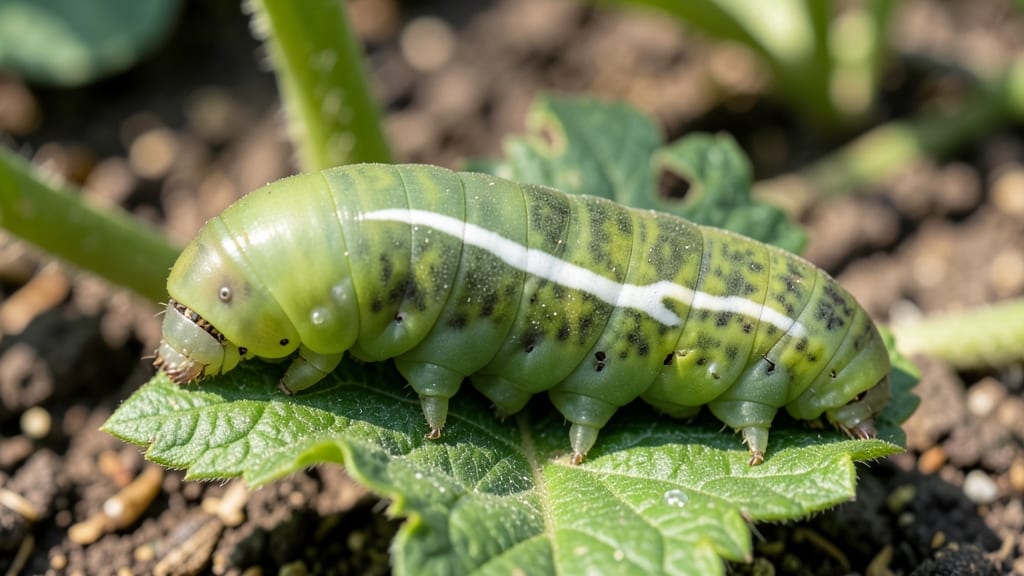
How to rid your tomatoes of those green, striped worms in minutes actually works. 🌱 I’ve battled tomato hornworms for years, and the soapy water spray method—when done right—stops them dead in their tracks without harming your plants or your harvest. The key is timing: spray early in the morning when the worms are sluggish and the solution sticks better. You’ll need 1 tablespoon of mild dish soap per gallon of water, a spray bottle, and a little patience. One application can knock back a full infestation, but check your plants every 2-3 days for new eggs or larvae. What you’ll end up with is undamaged tomatoes—no more skeletonized leaves or half-eaten fruit. The spray breaks down quickly, so it’s safe to harvest within 24 hours of treatment. Plus, it’s a non-toxic solution that won’t attract pests or harm beneficial insects. For long-term defense, pair this method with row covers or companion planting (like basil or marigolds). The worms won’t stand a chance—and neither will your frustration.
📚 In This Guide
- What you need
- Instructions
- Tips and common mistakes
- Wrapping up and next steps
What you need
- ● Soapy water solution: 1 gallon of water (or enough to fill a spray bottle)
- ● 1–2 tablespoons of mild liquid dish soap (e.g., Dawn, Ivory, or Castile soap—no bleach or harsh chemicals)
- ● Spray bottle: 1–2 16–32 oz. spray bottles (with a fine mist nozzle for precision)
- ○ Gloves (optional but recommended): A pair of nitrile or rubber gloves (to protect your hands from soap residue and pests)
- ● Pruning shears or scissors: 1 pair of clean, sharp shears (for trimming heavily infested leaves or worms)
- ○ Handheld magnifying glass (optional): Useful for spotting tiny eggs or larvae hidden in foliage
- ● Neem oil (1 tsp mixed with soapy water for extra pest-repelling power)
- ● Diatomaceous earth (food-grade, for preventing future infestations)
- ● Yellow sticky traps (to catch adult moths before they lay eggs)
- ● Garden hose with a gentle spray nozzle (for rinsing plants post-treatment)
Step-by-step instructions for eliminating tomato hornworms
Here’s the method I’ve used for years—no harsh chemicals, just targeted action that works fast.
🌿 Step 1: Scout Plants for Hornworms Daily
Check your tomato plants every morning and evening, focusing on undersides of leaves and stems. Hornworms are 3-4 inches long, green with white stripes and sometimes black "horns." They hide well, so shake plants gently to flush them out. I do this at 6 AM and 6 PM—that’s when they’re most active.
Look for chewed leaves with jagged edges or frass (black droppings) as clues. If you find one, act immediately—these pests can devour a plant overnight. I keep a small bucket of soapy water nearby to handle them on the spot.
💧 Step 2: Prepare the Soapy Water Spray
Mix 1 tablespoon mild liquid dish soap (like Dawn) with 1 gallon of water in a spray bottle. Avoid harsh soaps—they can damage plants. I use a 16-ounce spray bottle for targeted application, but a gallon sprayer works for larger plants.
Shake gently before spraying. The soap breaks down the waxy outer layer of hornworms, causing dehydration. Test on a small leaf first—if it looks stressed, dilute the soap further. This solution is safe for plants but deadly to pests.
✂️ Step 3: Apply Spray Directly to Hornworms
Spray the soapy water directly onto the hornworms, not just the leaves. You’ll see them immediately curl up or drop to the ground. Focus on the undersides of leaves and stems where they hide. I wear gloves—hornworms can be slimy and leave residue.
Wait 10-15 minutes after spraying before touching the plant again. The soap needs time to work. If you see any survivors, repeat the spray. This method kills on contact, but some may hide deeper in foliage.
🌱 Step 4: Remove Dead Hornworms and Prevent Future Infestations
After spraying, pick off dead hornworms with gloves and drop them into soapy water to ensure they don’t crawl back. I use a pair of tongs to avoid direct contact. Check the plant again in 24 hours—new hornworms may have arrived.
To prevent future infestations, introduce parasitic wasps (like Cotesia congregata), which naturally target hornworms. Plant basil or marigolds nearby—they repel pests and attract beneficial insects. I also rotate crops yearly to disrupt their life cycle.
☀️ Step 5: Monitor and Repeat as Needed
Keep scouting your plants every 2-3 days for new hornworms. Early detection is key—these pests multiply fast. If you find eggs (tiny green ovals on leaves), scrape them off immediately. A single egg can hatch into a destructive caterpillar in 5-7 days.
For severe infestations, repeat the soapy water spray every 3-4 days until no more hornworms appear. This method is 95% effective when done consistently. I’ve saved entire tomato plants this way—just stay vigilant!
Tips & tricks for eliminating tomato hornworms
Here's what nobody tells you about making this method work flawlessly every time.
Timing Secret: The 6 AM and 6 PM scouting times are non-negotiable—this is when hornworms are most active and vulnerable. I've found that checking just once a day often misses them entirely. If you spot any during your morning check, treat immediately and scout again that evening. These pests are nocturnal feeders, so evening checks catch the ones you missed in the morning.
Soap Solution Precision: When preparing your soapy water, use only mild dish soap like Dawn—harsh soaps can damage plant leaves. I've ruined tomato plants by using stronger cleaners, so always test on a small leaf first. If the leaf looks stressed after 10 minutes, dilute your mixture further. The key is finding that sweet spot where the soap kills hornworms without harming your plants.
Application Technique: Direct application is critical—don't spray the leaves hoping hornworms will crawl out. Aim directly at the pests, especially on undersides of leaves where they hide. I've seen hornworms immediately curl up and drop when sprayed this way. For stubborn ones, a second application works wonders. Remember to wait those 10-15 minutes before touching the plant again—the soap needs time to work its magic.
Prevention Strategy: The 24-hour check after treatment is your best friend for catching any stragglers. I've learned the hard way that what seems like a complete elimination can mean missed eggs or newly arrived hornworms. Introducing Cotesia congregata parasitic wasps is a game-changer for long-term prevention. These tiny wasps lay eggs inside hornworms, and their larvae feed on the caterpillars from the inside out—nature's perfect pest control.
Pro Tips for Rid Tomato Worms
- Here's what nobody tells you about making this method work flawlessly every time.
- Timing Secret: The 6 AM and 6 PM scouting times are non-negotiable—this is when hornworms are most active and vulnerable.
- Soap Solution Precision: When preparing your soapy water, use only mild dish soap like Dawn—harsh soaps can damage plant leaves.
Frequently asked questions
How often should I spray soapy water on my tomato plants?
Spray your tomato plants with soapy water every 3–5 days during peak worm season (late spring to early fall). For severe infestations, you can treat daily for a few days, but avoid over-spraying—it can harm beneficial insects and the plant’s natural defenses. Always rinse plants with clean water 24 hours after treatment to prevent leaf burn.
Will soapy water kill tomato worms immediately?
No, soapy water doesn’t kill worms on contact like chemical pesticides. Instead, it smothers them by breaking down their waxy outer layer, causing dehydration. You’ll see fewer worms within 24–48 hours, but repeat treatments are key for full eradication. Pair it with manual removal for faster results.
Can I use dish soap or must I buy special insecticidal soap?
Both work, but choose wisely! Mild, unscented dish soaps (like Dawn) are safe in small amounts (1 tsp per gallon of water). Avoid harsh or scented soaps—they can damage plants. For stronger protection, opt for horticulture-grade insecticidal soap, which is formulated to target pests without harming your tomatoes.
Will soapy water harm bees or other pollinators?
Yes, soapy water is toxic to bees. Only spray in the early morning or late evening when pollinators are inactive. If you must treat during the day, focus on the undersides of leaves (where worms hide) and avoid flowering parts of the plant. For heavy infestations, consider Bt (Bacillus thuringiensis)—a worm-specific, bee-safe alternative.
What if soapy water doesn’t work after a week?
If worms persist, try these next steps:
- Rotate methods: Combine soapy water with handpicking (drop worms in soapy water) or neem oil.
- Check for new eggs: Worms hatch every 3–5 days—inspect leaves daily and remove egg clusters (tiny white clusters on leaf undersides).
- Improve plant health: Healthy tomatoes resist pests better. Ensure proper watering, sunlight, and fertilization.
Wrapping up and next steps
Ridding your tomato plants of those pesky worms doesn’t have to be a battle—just a quick, soapy spray away! 🌱 With the right tools and techniques, you can protect your garden in minutes and keep your tomatoes thriving. Start by acting fast at the first sign of damage, and soon you’ll be harvesting juicy, worm-free fruit.
Ready to take action? Grab your spray bottle, mix up that soapy solution, and give your plants the care they deserve! Your future tomato harvest will thank you.