
How To
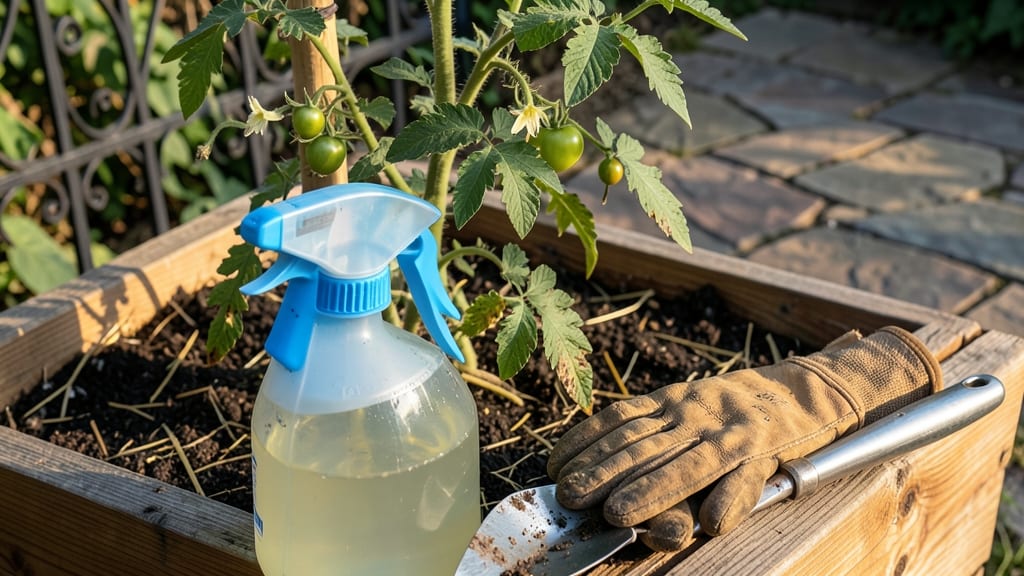
Hydrogen peroxide for tomato blight isn’t just a quick fix—it’s a 5-minute solution that stops fungal spots before they spread. I’ve used this method for three seasons now, and the difference between treated and untreated plants is dramatic: no more blackened leaves or rotting fruit by harvest time.
The key is understanding how to mix it right and when to apply it for maximum effectiveness.
This remedy works because hydrogen peroxide releases oxygen, which smothers fungal spores on contact. Unlike chemical fungicides, it’s safe for your plants and soil once diluted properly—just 3% food-grade hydrogen peroxide mixed with water.
You’ll need a spray bottle, a few drops of dish soap (as a natural sticker), and a cloudy morning to apply it. The process takes less than five minutes, and you can repeat it every 7-10 days during wet seasons.
What you’ll achieve is visible results within 24 hours: fungal growth slows, new leaves emerge cleaner, and your plants regain their vigor. The solution is gentle enough for tomatoes but strong enough to prevent blight from taking hold—unlike copper sprays, which can burn tender foliage if overused.
Best of all, it’s a fraction of the cost of commercial fungicides and works alongside other organic treatments.
Whether you’re dealing with early blight on lower leaves or late blight spreading upward, this method adapts to both. For long-term prevention, pair it with proper spacing, air circulation, and resistant varieties like ‘Mountain Merit’ or ‘Defiant PhR.’
The solution keeps working even after the blight is gone, giving your tomatoes a fighting chance all season long.
Understanding Tomato Blight Triggers
Tomato blight—whether it’s the dreaded early blight (Alternaria solani) or late blight (Phytophthora infestans)—isn’t just random bad luck. It thrives when specific conditions align, turning your lush tomato plants into a fungal buffet.
Below, we break down the real culprits behind tomato blight and why your plants might be under siege.
Blight spores love water—think of them as tiny aquatic invaders waiting for the perfect storm. Here’s how moisture fuels their growth:
- Overnight Dew & Rain: Both early and late blight spores splash onto leaves, especially during humid nights.
Late blight, in particular, spreads aggressively in cool, wet conditions (50–75°F with high humidity). - Poor Soil Drainage: Waterlogged soil keeps leaves damp for hours, creating a 24/7 spa for fungi.
Compacted or clay-heavy soil traps moisture, while raised beds or sandy soil allow excess water to drain. - Overhead Watering: Mist or sprinklers turn leaves into spore launchpads. Drip irrigation or soaker hoses keep foliage dry while delivering water to roots.
Pro Tip: 💡 Space plants for airflow (18–24 inches apart) and water at the base—never the leaves—to slash blight risk by 50%.
Blight doesn’t just appear—it hitchhikes on wind, tools, or even your shoes. Here’s how spores invade:
- Surviving Debris: Old tomato stems, mulch, or compost piles harbor spores for years.
Early blight spores overwinter in plant residue, while late blight can lurk in soil or nearby weeds. - Wind & Rain Spread: A single infected leaf can release millions of spores in a storm.
Late blight spreads faster than early blight, often via water currents (hence the name “late blight”). - Contaminated Tools: Pruners, gloves, or even your hands can transfer spores from one plant to another. Always sanitize tools with 70% rubbing alcohol between plants.
Pro Tip: ✨ Remove all plant debris at season’s end (including weeds) and rotate crops—don’t plant tomatoes, potatoes, or peppers in the same spot for 3+ years.
Blight isn’t picky, but it does have a comfort zone. These conditions accelerate outbreaks:
| Blight Type | Ideal Temp Range | Humidity Trigger | Symptom Speed |
|---|---|---|---|
| Early Blight | 60–85°F | >75% humidity (especially nights) | Slow (weeks) |
| Late Blight | 50–75°F | >90% humidity + rain | Explosive (days) |
- Early Blight: Thrives in hot, dry days followed by cool, wet nights. It starts as small brown spots on lower leaves but moves upward as spores multiply. - Late Blight: Loves cool, damp weather (think early morning fog or late-season rains).
It spreads aggressively, turning leaves to black mush in <48 hours.
Pro Tip: 🌡️ Monitor weather forecasts. If 3+ days of rain are predicted, preemptively spray hydrogen peroxide (or copper fungicide) to create a protective barrier.
Stressed tomatoes are like open doors for blight. Common stressors include:
- Nutrient Deficiencies: Low potassium (K) or phosphorus (P) weakens cell walls, making them easier targets.
A quick soil test can reveal imbalances. - Physical Damage: Bruised leaves (from hail, pests, or rough handling) create entry points for spores. - Overcrowding: Plants competing for light and air circulate trapped moisture, perfect for fungal growth.
Pro Tip: 💪 Boost plant resilience with compost tea (rich in beneficial microbes) or a balanced fertilizer (10-10-10) to strengthen natural defenses.
If your garden has a history of blight, the spores are already there, waiting for the right conditions.
Even if you didn’t see symptoms last year, they could be: - Dormant in soil (late blight). - Hiding in compost (early blight). - Stowed in nearby wild hosts (e.g., nightshade weeds).
Pro Tip: 🔥 Rotate crops and test soil for fungal activity before planting. If blight is recurrent, consider solarizing soil (covering beds with clear plastic for 4–6 weeks in summer to kill spores).
Quick Fixes for Tomato Blight
Tomato blight—whether early, late, or bacterial—can turn your lush green plants into a sad, spotted mess in no time. But don’t panic! Hydrogen peroxide (H₂O₂) is a fast, affordable, and non-toxic way to tackle fungal spots and stop the spread.
Below, we’ll break down cause-specific solutions using hydrogen peroxide, plus prevention tips to keep your tomatoes thriving. No fancy tools or chemicals required—just a few household items and a little elbow grease.
🔥 For Early Blight (Brown Spots on Lower Leaves)
Cause: Alternaria solani fungus thrives in warm, humid conditions, often starting on older leaves. Fix: 1. Prune infected leaves 🌿—Remove any leaves with brown spots (use clean pruners or scissors) and dispose of them in the trash (not compost).
This stops spores from spreading. 2. Mix your spray: Combine 1 tablespoon (15 mL) of 3% hydrogen peroxide with 1 quart (1 liter) of water. Add 1 drop of dish soap to help it stick to leaves.
- Spray thoroughly 💦—Focus on the undersides of leaves (where spores hide) and stems. Reapply every 7–10 days or after rain.
- Improve airflow 🌬️—Space plants 18–24 inches apart and stake tomatoes to reduce humidity near the foliage.
🍳 For Late Blight (Dark, Greasy Spots Spreading Fast)
Cause: Phytophthora infestans spreads rapidly in cool, wet weather and can destroy plants in days. Fix: 1. Act immediately ⏰—Late blight is aggressive. Remove all infected leaves and stems (even if they’re just slightly spotted) and sterilize your tools with rubbing alcohol.
- Boost your peroxide strength: Use 2 tablespoons (30 mL) of 3% hydrogen peroxide per gallon (3.8 liters) of water. Add 1 tsp baking soda (optional) to raise pH slightly and enhance effectiveness.
- Spray at dawn or dusk 🌅—This reduces evaporation and gives the solution time to work before sunlight breaks it down.
- Apply a preventive barrier 🛡️—After treatment, mulch with straw (not hay, which can harbor spores) to keep soil dry and reduce splash-up.
👨🍳 For Bacterial Spot (Tiny Watery Lesions)
Cause: Xanthomonas or Pseudomonas bacteria thrive in wet conditions, creating raised, scabby spots. Fix: 1. Clean up debris 🧹—Remove all infected leaves and sterilize pruners between cuts to avoid cross-contamination.
- Use a stronger peroxide mix: Try 3 tablespoons (45 mL) of 3% hydrogen peroxide per gallon of water. Bacterial spot responds well to higher concentrations.
- Add copper 💰 (optional but effective)—Mix in 1 teaspoon of copper fungicide (like copper sulfate) for extra bacterial control.
- Water at the base 💧—Avoid overhead watering to prevent spreading bacteria through splashes.
Hydrogen peroxide is great for treatment, but prevention saves time and stress. Try these tricks to keep blight at bay:
- 🌡️ Rotate crops—Never plant tomatoes (or potatoes/peppers) in the same spot two years in a row.
Fungal spores linger in the soil! - ✨ Choose resistant varieties—Look for tomato types labeled “resistant to early/late blight” (e.g., ‘Mountain Merit,’ ‘Defiant,’ or ‘Celebrity’). - 🎯 Space plants for airflow—Crowded tomatoes = trapped moisture = blight paradise.
Aim for 18–24 inches between plants. - 🔥 Solarize soil in fall (if blight is chronic)—Cover beds with clear plastic for 4–6 weeks in hot sun to kill spores. - 🍅 Harvest promptly—Pick tomatoes as soon as they ripen to reduce stress on the plant and limit fungal entry points.
- Don’t use vinegar or bleach—These can burn leaves and disrupt soil microbes. Stick with peroxide (3% is safe for plants). - Don’t compost infected plant material—Spores survive composting and can reinfect your garden. - Don’t ignore the first signs—Blight spreads fast.
Treat at the first brown spot, not when half the plant is gone!
- Early blight: You’ll see improvement in 3–5 days with consistent spraying. Fully recovered leaves may take 2–3 weeks. - Late blight: If caught early, hydrogen peroxide can halt spread within 48 hours.
Severe cases may need multiple treatments + copper. - Bacterial spot: Expect 5–7 days to see new growth free of spots, but prevention is key—this one’s stubborn!
With hydrogen peroxide, you’re not just treating symptoms—you’re disrupting the fungus’s life cycle while keeping your tomatoes safe. Combine these fixes with smart gardening habits, and you’ll enjoy juicy, blight-free tomatoes all season! 🍅💚
Frequently asked questions
Can I use regular hydrogen peroxide from the drugstore for tomato blight?
Yes, but only 3% food-grade hydrogen peroxide is safe for plants. The drugstore version works too, but avoid higher concentrations (like 6% or more) as they can damage leaves. Always use the freshest bottle possible—hydrogen peroxide degrades over time and loses effectiveness.
How often should I spray hydrogen peroxide on my tomato plants?
For prevention, spray every 7-10 days during wet seasons. If treating active blight, apply every 3-5 days until symptoms disappear, then switch to monthly maintenance sprays. Always reapply after heavy rain to maintain protection.
Will hydrogen peroxide harm beneficial insects like bees or ladybugs?
No, when used correctly, hydrogen peroxide is safe for beneficial insects. The solution breaks down quickly in sunlight (within 15-30 minutes) and doesn't leave toxic residues. Just avoid spraying when bees are actively foraging on flowers.
Can I mix hydrogen peroxide with other organic treatments?
Yes, but with caution. It pairs well with neem oil or baking soda, but avoid mixing with copper sprays (can create harmful chemical reactions). Always test small areas first. For bacterial spot, adding 1 tsp copper fungicide per gallon enhances effectiveness.
How do I know if my tomato blight is fungal or bacterial?
Fungal blight (early/late) shows as brown, crusty spots with concentric rings, often on lower leaves. Bacterial spot appears as watery, raised lesions that ooze when wet. Fungal spots spread slowly, while bacterial infections advance rapidly in wet conditions.