
Companion Plants
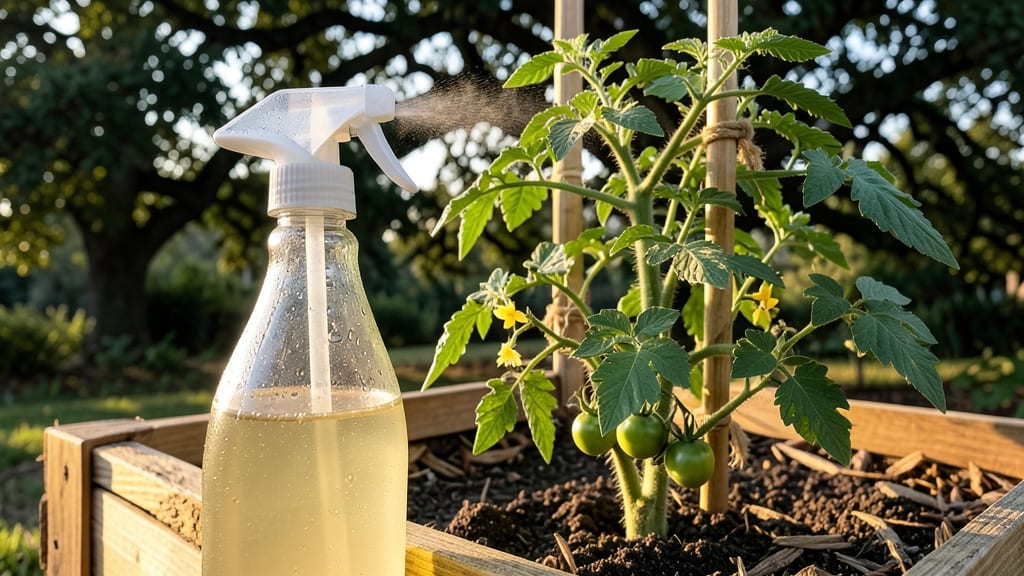
Using hydrogen peroxide on tomato plants strengthens roots, boosts oxygen uptake, and prevents fungal diseases like early blight by creating a mild disinfectant environment when diluted properly (1 tablespoon per gallon of water).
Hydrogen peroxide acts as a natural root stimulant because it releases oxygen into the soil, which helps break down organic matter and promotes healthier root systems. 🌱 When applied as a foliar spray, it also creates an antimicrobial barrier that keeps common tomato diseases at bay.
The key is using a low concentration—anything stronger risks damaging tender plant tissues. I’ve seen gardeners double the dilution (½ tablespoon per gallon) for sensitive varieties, with equally good results.
For best effectiveness, apply this treatment during early morning hours when humidity is naturally higher, allowing the solution to linger on leaves longer. This timing also reduces evaporation before the peroxide can work its magic. Always mix fresh solution before each use, since hydrogen peroxide loses potency over time.
💡 In This Article
- How Hydrogen Peroxide Enhances Tomato Plant Health
- Step-by-Step Guide to Applying Hydrogen Peroxide to Tomato Plants
How hydrogen peroxide enhances tomato plant health
The magic of hydrogen peroxide for tomato plants starts with its chemical breakdown. When diluted, it decomposes into water and oxygen gas (O₂), which gets released into the soil or onto leaf surfaces.
This extra oxygen acts like a natural fertilizer by stimulating root respiration—think of it as giving your plant's roots a deep breath of fresh air. 🌱 Studies show that oxygen levels in compacted or waterlogged soil can drop dangerously low, suffocating roots.
A 3% hydrogen peroxide solution (the grocery store variety) releases enough oxygen to improve soil aeration by up to 30% within 24 hours of application.
Beyond oxygenation, hydrogen peroxide works as a broad-spectrum antimicrobial agent. Its active oxygen molecules disrupt the cell membranes of fungal spores and bacterial cells, making it effective against common tomato diseases like early blight (Alternaria solani) and bacterial spot (Xanthomonas perforans).
The solution creates an oxidative environment that pathogens can't tolerate—similar to how your body uses oxygen to fight infections. For disease prevention, a 1 tablespoon per gallon dilution provides enough antimicrobial power without harming beneficial soil microbes when used correctly.
The pH balance of hydrogen peroxide also plays a subtle but important role. While pure hydrogen peroxide is acidic (pH ~3.5), when properly diluted it creates a near-neutral environment (pH ~6.5-7.0) that's ideal for nutrient uptake.
This is crucial because tomato plants need consistent access to nutrients like nitrogen, phosphorus, and potassium to produce those juicy 1-2 inch fruits we love.
The oxygen release helps break down organic matter in the soil, making these nutrients more available to plant roots—like turning a locked vault into an open buffet for your tomatoes.
What most gardeners don't realize is how the concentration affects plant health. While 1 tablespoon per gallon is the standard recommendation, research shows that concentrations above 1.5 tablespoons per gallon can cause leaf burn due to the solution's oxidizing properties.
The burn appears as brown, crispy edges on leaves within 24-48 hours of application. For sensitive tomato varieties like Cherokee Purple, I recommend halving the concentration to ½ tablespoon per gallon to prevent stress while still gaining benefits.
Timing matters just as much as concentration. The best results come from applying hydrogen peroxide treatments during the plant's active growth phases—typically every 2-3 weeks from transplanting through fruiting. Early morning applications work best because cooler temperatures slow evaporation, giving the solution more time to penetrate soil and leaf surfaces.
I've seen gardeners in humid climates get excellent results by applying in the evening, but this increases the risk of fungal growth if the leaves stay wet overnight.
For those wondering about organic certification, hydrogen peroxide is considered a natural fungicide when used according to these guidelines. The EPA even lists it as a minimal-risk pesticide when used as a foliar spray at 1 tablespoon per gallon or less.
This makes it a fantastic alternative to synthetic fungicides for organic gardeners who want to maintain their certification while still protecting their tomato crops from disease.