
Planting
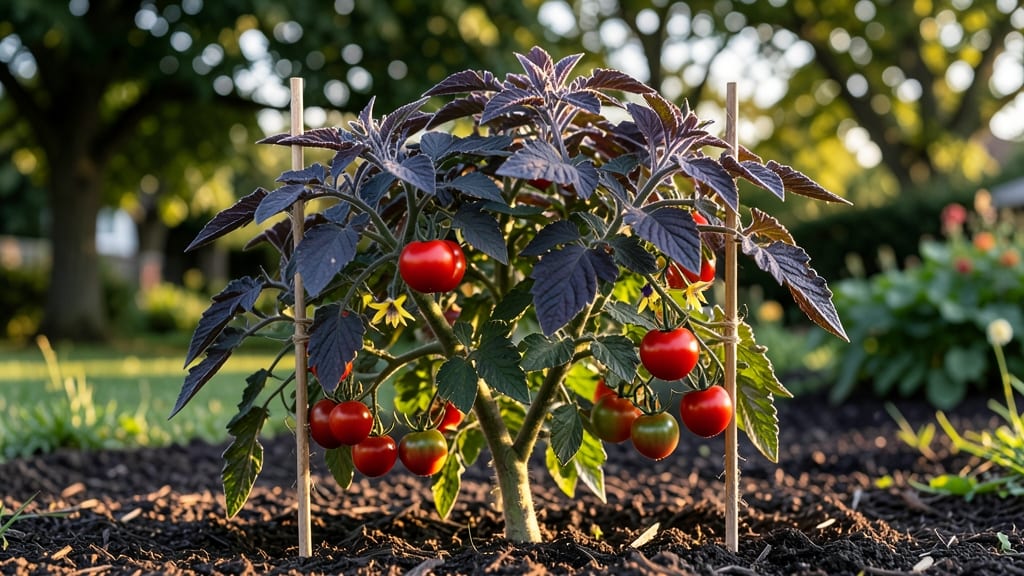
There's something magical about watching purple-striped tomatoes ripen on the vine. 🌱 The Indigo Rose tomato plant isn't just stunning—it's packed with rich, smoky-sweet flavor and surprising disease resistance, making it the heirloom variety that finally delivers on both looks and taste.
After growing mine last summer, I realized why so many gardeners swear by this plant: it thrives with less fuss than most tomatoes while producing fruit that looks like a culinary masterpiece.
This heirloom doesn't demand perfect conditions—it handles heat better than most varieties and resists cracking, which means fewer headaches for you. The secret lies in well-draining soil, consistent moisture, and a little strategic pruning to keep energy flowing to the fruit rather than the foliage.
Even my black thumb managed 20+ pounds of fruit from just three plants, and the flavor? Deep, complex, and nothing like store-bought tomatoes.
By midsummer, you'll be harvesting tomatoes that range from deep purple to red, with that signature striped pattern that makes every dish look gourmet. The plants stay compact (about 3-4 feet tall), so they're perfect for containers or small spaces.
Plus, the more you pick, the more they produce—a reward that keeps coming all season.
The best part? Fewer common tomato problems. With proper care, you'll avoid blossom end rot and cracking, and the plants rarely succumb to early blight. Here's how to set yours up for that purple-streaked success from day one.
📚 In This Guide
- What you need
- Instructions
- Tips and common mistakes
- Wrapping up and next steps
What you need
- ● Indigo Rose tomato seeds or seedlings: 1-2 plants (start with seeds 6-8 weeks before the last frost or buy healthy seedlings from a nursery).
- ● Containers or garden bed: Containers: 5-gallon pots or larger (at least 12-18 inches deep) with drainage holes. Quantity: 1 per plant.
- ● Garden bed: Full sun (6-8+ hours/day), well-draining soil, and space 2-3 feet apart.
- ● High-quality potting mix: 1 bag (look for organic, well-draining mix with compost or coconut coir).
- ● Fertilizer: Balanced fertilizer (10-10-10 or 5-5-5): 1 application at planting.
- ● Tomato-specific fertilizer (high in potassium): For flowering/fruiting (e.g., 5-10-10).
- ● Support structure: Cages (5-6 ft tall): 1 per plant.
- ○ Trellis or stakes (6+ ft): 1-2 per plant (optional for indeterminate varieties).
- ● Mulch: Straw or shredded leaves (1-2 inches thick) to retain moisture and suppress weeds.
- ● Basic gardening tools: Trowel or hand shovel.
- ● Pruning shears (for trimming suckers).
- ● Watering can or hose with nozzle: For gentle, deep watering (avoid wetting leaves).
- ○ pH test kit (optional): To check soil pH (ideal: 6.0-6.8 for tomatoes).
- ○ Epsom salt (optional): 1 tbsp per plant monthly for magnesium boost (if leaves yellow).
- ○ Row covers or shade cloth (optional): For early-season frost protection or heatwaves.
Step-by-step instructions for growing the Indigo Rose tomato plant
Here's how to grow this stunning purple-striped heirloom variety with minimal fuss—just follow these simple steps.
🌱 Step 1: Start Seeds Indoors 6-8 Weeks Before Last Frost
Fill 2-3 inch deep seed starting trays with a sterile seed-starting mix. Press the soil down lightly to create a firm surface, then make a small hole about ¼ inch deep—just enough to hold one seed. I like to use a toothpick to poke the hole gently without compacting the soil around it.
Place 1-2 seeds per cell and cover lightly with additional mix. Mist the surface until evenly moist but not soggy. The key here is warmth—cover the tray with a humidity dome or plastic wrap and place it on a seedling heat mat set to 75-85°F. You'll see sprouts in 7-10 days, but don't remove the dome until 50% have emerged—this prevents damping-off disease.
☀️ Step 2: Provide Bright Light and Prevent Leggy Growth
The instant those first true leaves appear, move seedlings to a sunny windowsill or under grow lights. Indigo Rose tomatoes need 14-16 hours of light daily, so if your window isn't south-facing, supplement with a full-spectrum LED. Position the light 2-4 inches above the plants and raise it as they grow.
Leggy seedlings are a dead giveaway your light is too far away. You'll spot them by their thin, pale stems and leaves spaced far apart. To fix this, simply move the light closer or rotate the tray daily so all sides get even exposure. Strong seedlings have thick stems and dark green leaves with compact spacing.
🪴 Step 3: Transplant Outdoors After All Frost Risk Passes
Wait until soil temperatures reach 55°F or warmer—Indigo Rose tomatoes hate cold roots. Harden off seedlings by placing them outside in a sheltered spot for 1-2 hours the first day, then gradually increasing time over 10-14 days. Transplant on an overcast afternoon to reduce shock.
Dig holes deep enough to bury the stem up to the first set of true leaves—this encourages strong root growth. Space plants 24-36 inches apart in rows 36 inches apart to allow airflow and prevent disease. Water deeply at the base after planting, but don't drown the roots—you'll know moisture is right when the soil feels damp 1-2 inches down.
✂️ Step 4: Prune and Support for Maximum Purple Beauty
Install sturdy cages or stakes at planting time—Indigo Rose tomatoes can get heavy with fruit. Prune suckers (the shoots that grow between the stem and branches) when they're 3-4 inches long to direct energy to fruit production. I like to pinch off suckers with my fingers rather than cutting to avoid damaging the plant.
When vines reach the top of the cage, trim the main stem just above a leaf with 3-4 leaves below it. This encourages bushier growth and more fruit. Watch for yellowing leaves—they're a sign of overwatering or nitrogen deficiency. Remove them promptly to improve airflow and prevent disease.
💧 Step 5: Water and Fertilize for Purple Perfection
Water deeply 1-2 times per week, aiming for 1-1.5 inches of water per week. The best time to water is early morning so foliage dries quickly and reduces disease risk. You'll know your watering is on point when the top 1-2 inches of soil feel dry to the touch.
Feed plants every 2-3 weeks with a balanced fertilizer (10-10-10) mixed at half-strength. Once flowers appear, switch to a low-nitrogen, high-phosphorus fertilizer (5-10-10) to boost fruit production. Stop fertilizing 4-6 weeks before harvest to improve flavor—your plants will thank you with sweeter, more vibrant Indigo Rose tomatoes!
Tips & tricks for growing stunning Indigo Rose tomatoes
These game-changing insights will help you coax the most vibrant purple harvests from your Indigo Rose tomato plants—no green thumb required!
Warmth is Everything: That 75-85°F heat mat temperature during germination isn't just a suggestion—it's the difference between fast, healthy sprouts and slow, leggy seedlings. I've seen germination times cut nearly in half when maintaining this precise warmth. If you don't have a heat mat, place your seed trays on top of your refrigerator (the heat rises naturally) or nestle them inside a warm closet. The goal is to mimic the tropical conditions these heirlooms love.
Lighting Secrets: When your seedlings need 14-16 hours of light daily, don't just turn on your regular household lights—they're not strong enough. Invest in a basic LED grow light (they're affordable!) and position it just 2-4 inches above the plants. Here's my pro move: Set a timer for 16 hours of light and 8 hours of darkness to simulate natural day-night cycles. This prevents the "stretched-out" look that tells you your plants are light-deprived.
Transplanting Like a Pro: The 55°F soil temperature threshold isn't just about frost—it's about root health. Use a soil thermometer to check before transplanting, especially in spring when mornings can be deceptive. I like to bury the stems deeper than most guides suggest: up to the first set of true leaves. This buried stem grows new roots, creating a stronger, more resilient plant. Just make sure to water thoroughly after planting to help settle the soil around those new roots.
Pruning Made Simple: Those 3-4 inch suckers might look harmless, but they're energy vampires that steal nutrients from your fruit. Here's how I prune: Use your thumb and forefinger to gently pinch the sucker where it meets the main stem—no tools needed! For the main stem trim when vines hit the top of your cage, look for a leaf with 3-4 leaves below it to make your cut. This encourages bushier growth and more fruit clusters. Think of it as giving your plant a haircut that promotes better airflow and fewer disease problems.
Pro Tips for Indigo Rose Tomato Plant
- These game-changing insights will help you coax the most vibrant purple harvests from your Indigo Rose tomato plants—no green thumb required!
- Warmth is Everything: That 75-85°F heat mat temperature during germination isn't just a suggestion—it's the difference between fast, healthy sprouts and slow, leggy seedlings.
- Lighting Secrets: When your seedlings need 14-16 hours of light daily, don't just turn on your regular household lights—they're not strong enough.
Frequently asked questions
Got questions about growing or caring for your Indigo Rose tomato plant? You’re not alone!
Here are answers to the most common queries to help you cultivate this stunning purple-striped beauty with confidence.
How long does it take for an Indigo Rose tomato plant to produce fruit?
The Indigo Rose typically starts flowering 60–70 days after transplanting (or 80–90 days from seed). Fruit ripens 75–85 days total, so patience is key—those purple stripes are worth the wait! For faster results, ensure full sun (6–8 hours/day) and consistent moisture.
Can Indigo Rose tomatoes survive frost? What’s the best way to protect them?
This heirloom variety is sensitive to frost—temperatures below 50°F (10°C) can damage leaves, and below 32°F (0°C) kills the plant. To protect it:
- Use row covers for light frosts.
- Move potted plants indoors (near a sunny window) if frost is forecasted.
- Harvest unripe fruit and let it ripen indoors if needed.
Why are my Indigo Rose tomatoes cracking? How can I prevent it?
Cracking is common in fast-growing varieties like Indigo Rose due to uneven watering or rapid growth. To prevent it:
- Water consistently—keep soil evenly moist (not soggy).
- Avoid heavy watering after a dry spell.
- Use mulch to stabilize soil moisture.
Are Indigo Rose tomatoes good for containers? What size pot do I need?
This determinate variety thrives in containers. Use a pot at least 12–18 inches deep and wide with drainage holes. A 5-gallon bucket works well for one plant. Ensure it gets full sun and use a balanced fertilizer (like 10-10-10) every 3–4 weeks. Dwarf varieties like Indigo Rose are perfect for balconies or patios!
How do Indigo Rose tomatoes taste compared to regular red tomatoes?
Expect a sweet, tangy flavor with a hint of smokiness—often described as more complex than standard red tomatoes. Their anthocyanins (purple pigments) may add a lighter, almost floral note. Great for slicing, salads, or sauces! Pair them with basil or balsamic vinegar for a gourmet twist.
Wrapping up and next steps
The Indigo Rose tomato plant isn’t just a stunning addition to your garden—it’s a delicious, low-maintenance powerhouse that rewards patience with vibrant, flavorful fruit. With the right soil, sunlight, and a little TLC, you’ll enjoy a bountiful harvest that’s as beautiful as it is tasty. 🌱✨
Ready to dive in? Start by gathering your supplies, then pick a sunny spot in your garden or container. Plant with confidence—your future purple-striped tomatoes are waiting for you!