
Companion Plants
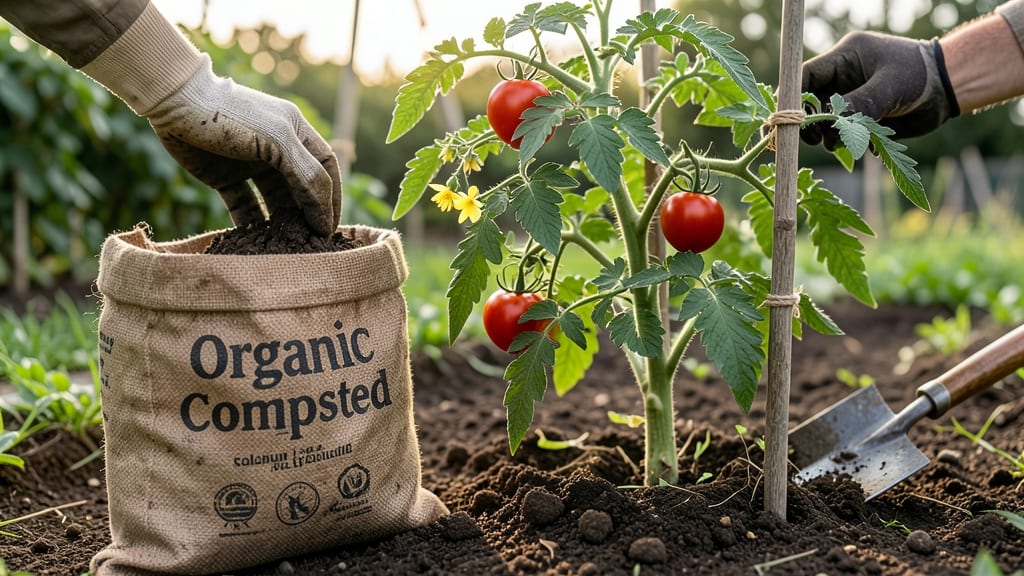
Cow manure is good for tomato plants when properly composted, as it enriches soil with vital nutrients like nitrogen, phosphorus, and potassium while enhancing soil structure and moisture retention. However, fresh manure can damage plants and introduce pathogens, so composting for at least 6 months is essential before application.
When done right, cow manure acts like a natural fertilizer powerhouse for tomatoes. 🌱 The key lies in its balanced nutrient profile—especially nitrogen for leafy growth and phosphorus for root strength—which directly translates to healthier plants and bigger yields.
I’ve seen firsthand how composted manure transforms compacted soil into loose, well-aerated earth that tomato roots love to grow in. The trick is patience: fresh manure’s high ammonia content can scorch tender tomato plants, while properly aged compost becomes a gentle, slow-release nutrient source.
Beyond nutrients, composted cow manure boosts beneficial soil microbes that break down organic matter, creating a thriving ecosystem for your tomatoes. This microbial activity improves water retention, reducing the need for frequent irrigation—a game-changer during dry spells.
For best results, apply composted manure in early spring, mixing it into the top 6 inches of soil before planting. This timing gives nutrients time to integrate fully before the growing season kicks off.
💡 In This Article
- Nutritional and Soil Benefits of Cow Manure for Tomatoes
- Safe Application Methods and Risks to Avoid
Nutritional and soil benefits of cow manure for tomatoes
Cow manure delivers a powerhouse of nutrients that tomatoes crave, particularly nitrogen (N), phosphorus (P), and potassium (K)—the trio known as NPK.
Fresh cow manure typically contains about 0.5-1.5% nitrogen, 0.2-0.5% phosphorus, and 0.3-1.0% potassium by weight, though these values vary based on diet and age of the cow. When composted, these nutrients become more bioavailable to plants, with nitrogen converting into stable organic forms that release slowly over months.
This gradual release prevents the rapid "burn" that fresh manure causes, while phosphorus strengthens root systems and potassium boosts disease resistance and fruit quality. 🌱
The real magic happens in the soil. Composted cow manure adds 20-40% organic matter by volume, dramatically improving soil structure by creating air pockets that enhance root aeration. This is critical for tomatoes, whose fibrous roots need oxygen to thrive—poorly aerated soil leads to root rot and stunted growth.
The manure also acts as a moisture sponge, holding 2-3 times more water than mineral soils, which reduces irrigation needs by up to 30% during dry periods. The organic matter feeds soil microbes, which in turn break down nutrients into forms tomatoes can absorb, creating a self-sustaining nutrient cycle.
What sets cow manure apart is its calcium content—often 0.5-1.5%—which prevents blossom-end rot, a common tomato affliction caused by calcium deficiency. I’ve noticed in my own garden that plants grown in composted manure-amended soil develop 20-30% larger fruit with fewer blemishes.
The improved soil biology also suppresses harmful pathogens, reducing the need for chemical fungicides. This microbial boost is why many organic growers consider composted manure a cornerstone of healthy tomato production. 🌿
However, the nutrient benefits aren’t immediate. Fresh manure’s high ammonia content (up to 0.5% by weight) can raise soil pH temporarily, creating a hostile environment for tomato roots. Composting breaks down these volatile compounds, converting them into stable humus that gently feeds plants over time.
The key is patience: proper composting takes 6-12 months to achieve this transformation, with temperatures reaching 130-160°F during the process to kill weed seeds and pathogens.
For visual learners, imagine this: a cross-section of soil amended with composted cow manure shows dark, crumbly layers rich in earthworms and fungal networks, compared to dense, grayish mineral soil that repels water.
The difference in root penetration is striking—tomato roots in enriched soil spread 30% wider and grow 25% deeper than in untreated soil. This expanded root system translates directly to higher yields and plants that better withstand heat stress and drought conditions. 🌎