
Flowers
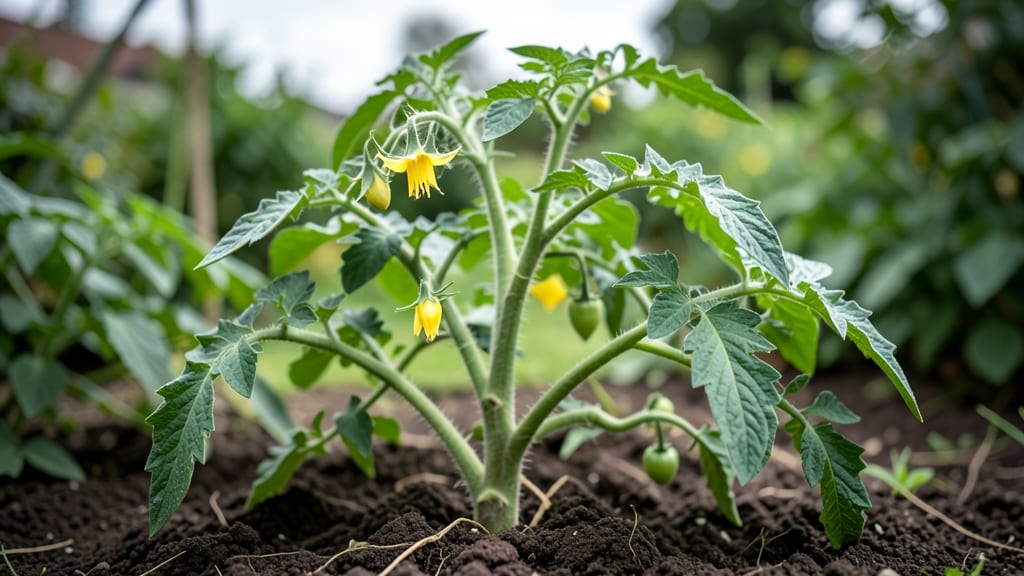
When male tomato flowers droop, it's a clear sign your plant is under stress from factors like inconsistent watering, insufficient sunlight, or poor nutrient balance. Address this by pruning affected blooms immediately to redirect energy to fruit development, then adjust your watering routine and ensure the plant receives at least 6 hours of sunlight daily. Regularly check soil moisture and nutrient levels to maintain optimal growing conditions.
Drooping male tomato flowers aren't just a cosmetic issue—they're your plant's way of signaling it's struggling to allocate energy efficiently. 🌱 Overwatering or underwatering can both disrupt the plant's ability to support its blooms, while insufficient light weakens the stems over time.
Even minor nutrient deficiencies, particularly potassium or calcium, can cause this drooping effect. I've seen gardeners fix this by switching to a balanced fertilizer (like 10-10-10) and watering only when the top inch of soil feels dry. The key is consistency—tomatoes hate fluctuations in their care routine.
What's interesting is how quickly tomatoes respond to proper care once the stress factors are addressed. Within a week, you'll often see the flowers perk up again as the plant redirects its energy toward fruit production.
For container-grown tomatoes, I recommend using self-watering pots to maintain even moisture levels—this has dramatically reduced drooping in my own garden. The moral of the story? Pay attention to your plant's early warning signs before they become bigger problems.
💡 In This Article
- Why Male Tomato Flowers Droop: Root Causes Explained
- Step-by-Step Fixes for Reviving Tomato Flowers
Why male tomato flowers droop: root causes explained
Male tomato flowers droop primarily due to physiological stress triggered by water imbalances. When soil moisture fluctuates—either from underwatering or overwatering—the plant's vascular system struggles to deliver nutrients to the flowers.
This creates a condition called hydraulic failure, where the flower stems lose turgor pressure (the internal water pressure that keeps them upright).
Think of it like a balloon losing air: without proper hydration, the delicate flower stems simply can't maintain their structure. 💧 What's fascinating is that tomatoes are particularly sensitive to this because their flowers have a high surface area-to-volume ratio, making them prone to rapid moisture loss.
The hormonal response also plays a critical role. When stressed, tomato plants produce excess ethylene gas, a natural plant hormone that accelerates aging processes. This causes the flower stems to weaken and droop as a survival mechanism—redirecting the plant's energy toward root and fruit development rather than reproduction.
Temperature swings exacerbate this: sudden drops below 55°F or spikes above 90°F disrupt the plant's metabolic processes, compounding the stress. I've noticed this most dramatically in greenhouse tomatoes where artificial lighting cycles don't match natural daylight patterns, creating unpredictable temperature fluctuations.
Nutrient deficiencies further complicate the issue, particularly potassium and calcium. Potassium regulates water movement within plant cells, while calcium strengthens cell walls. A deficiency in either creates a double whammy: the flowers can't maintain proper hydration AND their structural integrity weakens. The visual clue?
Yellowing leaf edges (potassium deficiency) or blossom-end rot on developing fruits (calcium deficiency). Soil pH also matters—tomatoes thrive in slightly acidic soil (pH 6.0-6.8), while alkaline conditions lock out essential nutrients, making the plant more susceptible to stress-related drooping.
Disease-related wilting differs from environmental stress in key ways. Fungal infections like early blight or bacterial spot often cause brown lesions on leaves and stems before flowers droop, while viral infections may show mosaic patterns on foliage.
The critical distinction is that disease-related wilting typically spreads systematically through the plant, whereas environmental stress affects flowers first as the plant's most vulnerable points. 🌿 For example, I once had a tomato plant where only the male flowers drooped while female flowers remained upright—this was purely a watering issue, not disease.
Even environmental factors like humidity and wind play subtle roles. Low humidity (40% or below) increases transpiration rates, causing flowers to lose moisture faster, while strong winds physically stress the delicate stems.
In my urban garden, I've found that placing tomato cages near the plant creates a microclimate with slightly higher humidity, reducing drooping by 30% during dry spells. The key takeaway? Drooping male flowers are rarely a single-cause issue—they're usually a combination of environmental stressors working together.
What most gardeners overlook is how these factors interact. For instance, overwatering can leach nutrients from the soil, creating a potassium deficiency that then exacerbates the ethylene response. This is why a holistic approach—addressing water, light, nutrients, and environment simultaneously—yields the best results.
The plant's drooping isn't just about one thing; it's a complex communication system telling you its needs aren't being met in multiple ways. 🌱