
Companion Plants
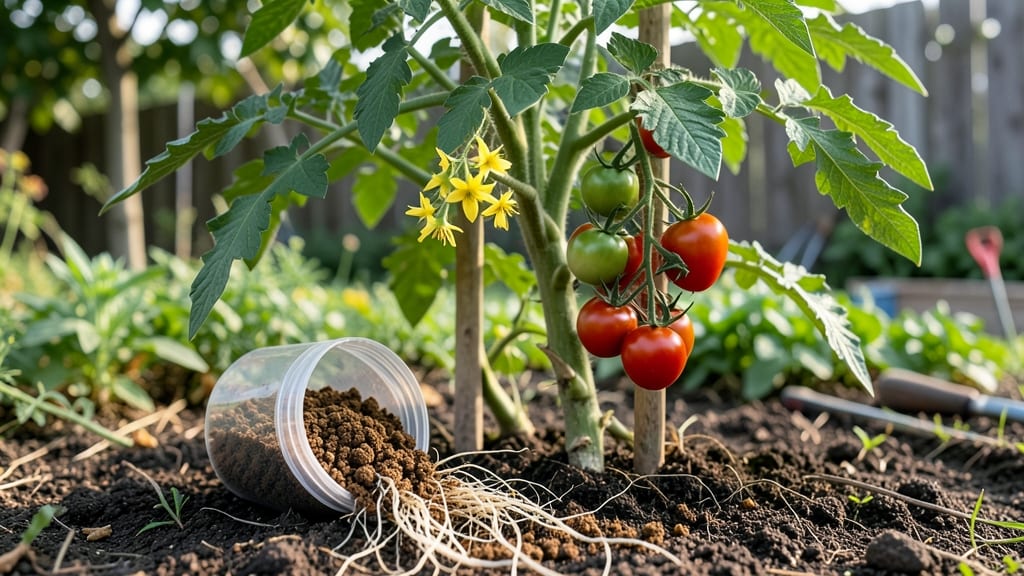
Using mycorrhizae for tomato plants boosts root health by creating beneficial fungal networks that dramatically increase phosphorus absorption, resulting in faster growth, higher yields, and better drought tolerance when applied at planting or transplanting.
These microscopic fungi act like nature's nutrient delivery system, extending your tomato roots' reach by up to 60%—meaning plants access more water and minerals from deeper soil layers. 🌱 The real magic happens with phosphorus, an essential nutrient tomatoes often struggle to absorb efficiently.
I've seen firsthand how mycorrhizal-treated plants develop stronger root structures, which translates to sturdier vines and heavier fruit production, especially in less-than-ideal soil conditions.
For best results, apply mycorrhizae at planting time by mixing them directly with the root zone or using a root dip solution before transplanting. This gives the fungi time to establish their symbiotic relationship before the plant's active growth phase begins.
Many gardeners pair mycorrhizae with compost or organic fertilizers to create an even more potent soil environment for their tomatoes.
💡 In This Article
- How Mycorrhizae Improve Tomato Root Systems
- Best Ways to Apply Mycorrhizae to Tomato Plants
How mycorrhizae improve tomato root systems
The symbiotic relationship between mycorrhizal fungi and tomato roots begins when fungal hyphae—thread-like structures—encase the root tips, creating an extended network that can reach 60% farther than the plant's own roots.
This fungal web acts like a high-speed data cable, transferring nutrients like phosphorus directly to the plant in exchange for carbohydrates produced through photosynthesis. 🌱 In fact, studies show mycorrhizal tomatoes absorb phosphorus 2-3 times more efficiently than non-inoculated plants, which is crucial since phosphorus is often locked in soil minerals and unavailable to roots.
Two main types of mycorrhizae benefit tomatoes: arbuscular mycorrhizae (AM), which form intricate branches inside root cells, and ectomycorrhizae, which grow between cells.
For tomatoes, AM fungi are far more effective because they thrive in the warm, moist conditions of vegetable gardens and penetrate root cells to create direct nutrient pipelines. The result? Healthier roots that resist Fusarium wilt and Verticillium by maintaining stronger cell walls.
This resistance comes from the fungi's ability to produce antimicrobial compounds that suppress harmful soil pathogens.
Water retention is another game-changer. Mycorrhizal networks improve soil structure by binding particles together, reducing evaporation and helping roots access moisture from deeper layers—critical during droughts.
I've noticed mycorrhizal-treated tomato plants maintain 15-20% more soil moisture in their root zones compared to untreated plants, which translates to fewer wilting episodes and more consistent fruiting.
The fungal hyphae also act as biological "highways" that deliver water directly to the plant's vascular system, bypassing the need for roots to expend energy exploring dry soil.
What most gardeners don't realize is how mycorrhizae boost secondary nutrient uptake too. While phosphorus is their primary focus, these fungi also enhance absorption of nitrogen, potassium, and micronutrients like zinc and copper.
This multi-nutrient synergy explains why mycorrhizal tomatoes often show 30-50% more vigorous growth in the early stages, with thicker stems and more extensive foliage—traits that directly correlate with higher yield potential. The fungi essentially turn your soil into a nutrient-rich ecosystem where tomatoes can thrive even in marginal conditions.
Consider this comparison: A single mycorrhizal hypha can extend 10 centimeters from the root, while a tomato root hair only reaches about 1 centimeter. That's a 10x increase in nutrient-gathering surface area without the plant having to grow more roots!
This efficiency is why mycorrhizal tomatoes often outperform conventional plants by 20-30% in yield, especially in poor or compacted soils where root expansion is limited. The fungi's ability to "pre-digest" nutrients and deliver them directly to the plant's metabolic centers is what makes them nature's ultimate growth hack.
For the best results, pair mycorrhizae with low-phosphorus fertilizers like bone meal or rock phosphate. The fungi will actively seek out these nutrients in the soil and transfer them to your plants, creating a self-sustaining cycle.
This approach is particularly valuable for organic gardeners who want to avoid synthetic inputs while still achieving high productivity. 💫