
Neem Oil
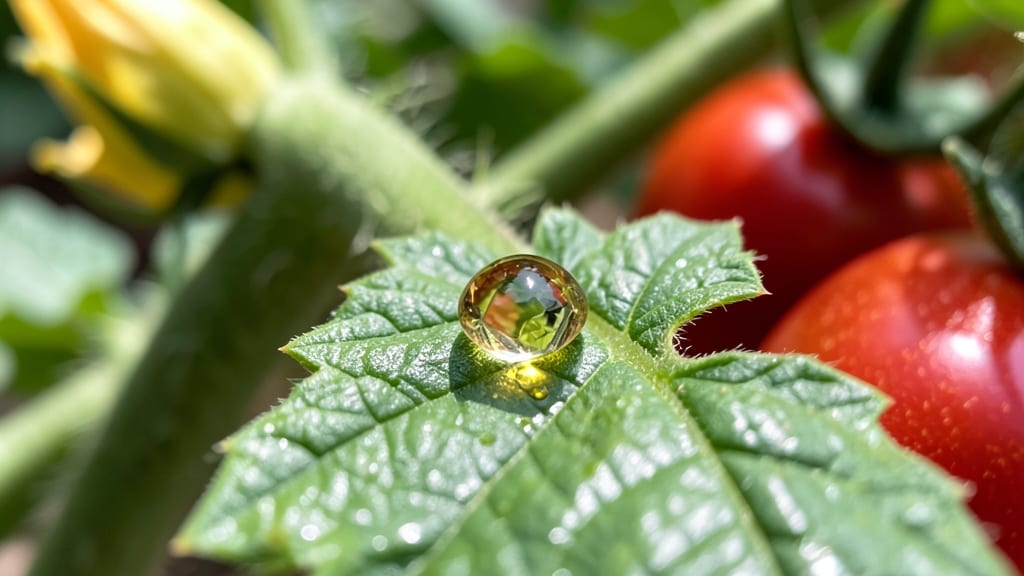
Neem oil stops tomato worms dead in their tracks—no more slimy trails or skeletonized leaves. 🌱 I’ve used it for years after my first tomato plant looked like a lace doily overnight, and now my plants stay lush and productive.
The key is timing: apply it at dusk when worms are active, and they’ll be gone in days without harming your tomatoes.
Mixing neem oil is simpler than you’d think: just 1 teaspoon per quart of water with a drop of dish soap as an emulsifier. Spray every 5-7 days during outbreaks, and you’ll see fewer eggs laid and existing worms drop off.
It works on all tomato varieties—heirlooms, cherry, and beefsteak—because it disrupts their feeding hormones, not just kills them.
What you’ll notice first is fewer holes in leaves and stronger new growth. The plants recover faster, and you avoid the chemical residue that lingers from synthetic sprays. Just avoid spraying in direct sun or when rain is forecasted—neem needs time to work its magic.
For stubborn cases, combine it with kaolin clay or bt (Bacillus thuringiensis) for extra protection. The best part? Your tomatoes stay organic, delicious, and worm-free—no more sacrificing a plant to the garden gods. Here’s how to make it last all season.
Root Causes of Tomato Worms
Understanding why tomato worms invade your garden is the first step to stopping them in their tracks—especially when you’re turning to neem oil, a natural powerhouse for organic pest control.
These tiny but destructive pests don’t just appear out of nowhere. Let’s break down the science behind their infestation and why your tomato plants might be their favorite buffet.
Tomato worms (primarily Manduca sexta, or tobacco hornworms) are drawn to plants that are already struggling. When your tomatoes are overcrowded, nutrient-deficient, or water-stressed, their natural defenses weaken, making them easier targets.
- Why it happens: Healthy plants produce alkaloids (like nicotine in tobacco, which hornworms tolerate) and volatile organic compounds (VOCs) that repel pests.
When plants are stressed, these defenses drop, and the worms detect them as "easy meals." - Actionable insight: Space tomato plants 18–24 inches apart to improve air circulation and reduce humidity (which pests love). Use compost or balanced organic fertilizer (like 5-5-5) to keep them strong.
Tomato worms thrive in warm weather (70–85°F) and are most active from June to August. If you plant tomatoes too early in the season, the worms may not be a major threat yet—but if you plant them late, you’re essentially rolling out the welcome mat.
- Why it happens: Eggs laid by adult moths hatch into larvae when temperatures rise.
If your plants are already established by mid-summer, the worms have a 3–5 week feeding window to devastate your crop before harvest. - Actionable insight: Start seeds indoors 6–8 weeks before the last frost, then transplant after all danger of frost has passed.
For organic growers, this means early spring starts (even if you harden off later) to stay ahead of the worm surge.
Adult hornworm moths have exceptional night vision and can detect tomato plants from up to 2 miles away using odor cues. If your garden is near wild or cultivated tomato plants (even volunteer seedlings), moths will zero in.
- Why it happens: Female moths lay 200–300 eggs in clusters on the undersides of leaves.
They prefer healthy, lush foliage because it signals high moisture and nutrients for their offspring. - Actionable insight: - Remove wild tomatoes (like nightshade weeds) near your garden. - Install yellow sticky traps (moths are attracted to yellow) to monitor and reduce adult populations. - Plant companion crops like basil, marigolds, or thyme—their strong scents mask tomato odors.
While tomatoes need consistent moisture, overwatering creates the perfect conditions for worm infestations. Excess water softens plant tissues, making them easier for larvae to chew through, and increases humidity—ideal for egg survival.
- Why it happens: Hornworm eggs hatch faster in moist environments (within 3–5 days vs. 7+ days in dry conditions).
Once hatched, larvae thrive in high-humidity microclimates created by dense foliage and damp soil. - Actionable insight: - Water deeply but infrequently (1–1.5 inches per week) to encourage deep root growth. - Avoid overhead irrigation—use drip systems to keep leaves dry. - Mulch with straw or grass clippings to regulate soil moisture without creating soggy conditions.
Tomato worms are temperature-sensitive. If your garden has protected microclimates (like a greenhouse, south-facing wall, or dense plantings), it can create a warmer, more humid pocket—perfect for their lifecycle.
- Why it happens: Larvae grow fastest at 80°F+ and can double in size in just 4 days.
If your garden retains heat (e.g., black plastic mulch or dark soil), you’re essentially giving them a growth steroid. - Actionable insight: - Use light-colored mulch (like straw or reflective fabric) to reduce soil heat. - Prune lower leaves to improve airflow and lower humidity near the soil. - Monitor nighttime temps—if they stay above 65°F, worms will keep feeding.
In a healthy ecosystem, tomato worms face dozens of natural predators, including:
- Parasitic wasps (like Cotesia congregata)
- Birds (robins, blue jays, and sparrows love them)
- Lizards and frogs
- Ground beetles
But if you’ve used broad-spectrum pesticides (even synthetic ones), you’ve likely wiped out these allies, leaving your tomatoes defenseless.
- Why it happens: Chemical pesticides kill both pests AND their predators, creating a vacuum effect where worms rebound with no competition.
- Actionable insight: Skip synthetic pesticides and instead encourage biodiversity:
- Plant native wildflowers to attract predatory insects.
- Install birdhouses near your garden.
- Avoid neonicotinoids (common in seed treatments)—they’re lethal to hornworm predators.
Once a hornworm finds a plant, it won’t stop eating until it’s ready to pupate. Ripe tomatoes are high in sugars and water, making them a calorie-dense feast for larvae.
- Why it happens: A single hornworm can consume an entire tomato in 24 hours.
If left unchecked, they’ll strip your plant bare before you even notice. - Actionable insight: - Harvest tomatoes early (when still slightly green) to remove the incentive. - Use row covers (fine mesh) before flowering to block moths entirely. - Hand-pick worms daily (they’re easy to spot—they’re green with white stripes and can grow 4 inches long in a week!).
Drop them in soapy water to kill them instantly.
Tomato worms don’t just appear—they’re the result of environmental conditions, plant health, and ecological imbalances. By addressing these root causes, you’re not just treating an infestation—you’re making your garden less appealing to them in the first place.
And when they do show up? Neem oil (applied at the right time) can stop them in their tracks—but you’ll need to know how and when to use it effectively. (Stay tuned for our next section on application tips!)
Practical ways to banish tomato worms
If your tomato plants are under siege by worms, neem oil is your secret weapon—but knowing how to use it (and when to combine it with other tactics) makes all the difference.
Below, we break down the best fixes for common worm infestations, from quick sprays to long-term prevention. Let’s get those tomatoes thriving again!
If you catch tomato worms (like hornworms or cutworms) early, a neem oil spray can stop them in their tracks. Here’s how:
🍳 Step 1: Mix Your Neem Oil Solution
Neem oil is a natural insecticide, but it needs the right dilution to work safely and effectively.
- Mix: 1 tablespoon of cold-pressed neem oil + 1 teaspoon of honey or dish soap (as a surfactant) + 1 quart of water.
- Shake well and transfer to a spray bottle (neem oil separates over time).
- Spray at dusk or dawn—avoid direct sunlight, which can burn plants.
👨🍳 Step 2: Target the Worms Directly
Don’t just spray randomly—worms hide on the undersides of leaves, in flower clusters, or at the base of stems.
- Flip leaves gently and spray both sides.
- Focus on new growth and flowers, where worms lay eggs.
- Reapply every 5–7 days until no more worms appear.
⏰ Step 3: Time Your Sprays for Maximum Impact
Neem oil works best when worms are active. Here’s the ideal schedule:
| Worm Stage | Best Action | Frequency |
|---|---|---|
| Eggs (tiny white clusters) | Spray all leaves and stems—neem disrupts hatching. | Every 3–4 days for 2 weeks. |
| Larvae (small green/black worms) | Direct spray + handpick visible worms. | Every 5–7 days until gone. |
| Adult moths (if present) | Use yellow sticky traps + neem spray at night. | Traps weekly; spray as needed. |
If neem oil alone isn’t enough, combine it with these organic power moves:
💡 1. Handpick + Drop in Soapy Water
For large hornworms or cutworms, manual removal is fastest.
- Wear gloves (some gardeners get rashes from worm hairs).
- Drop worms into a bucket of soapy water (1 tbsp dish soap per gallon).
- Spray the area with neem oil afterward to kill eggs.
🎯 2. Introduce Beneficial Insects
Ladybugs, lacewings, and parasitic wasps love eating tomato worms. Attract them with:
- Dill, fennel, or marigolds planted nearby (their flowers feed adult predators).
- Avoid pesticides—even "safe" ones can harm these helpers.
- Buy lacewing eggs online and place them on infested plants at dusk.
✨ 3. Use Kaolin Clay as a Barrier
This non-toxic clay coats worms, blocking their ability to feed.
- Mix: 1 cup kaolin clay + 1 gallon water + 1 tsp soap.
- Spray all plant surfaces (especially stems and leaves).
- Reapply after rain or every 7–10 days.
The best defense? Stop worms before they start. Here’s how:
🌱 Plant Smart: Choose Worm-Resistant Varieties
Some tomato types are less appealing to pests:
- ‘Cherokee Purple’ (thick skin deters chewing).
- ‘Mountain Merit’ (resistant to some pests).
- Avoid overripe or bruised tomatoes—they attract egg-laying moths.
🌿 Rotate Crops & Clean Up Debris
Worms overwinter in garden trash. Break their cycle:
- Remove all plant debris after harvest (especially fallen leaves).
- Rotate tomatoes to a new spot every 2–3 years.
- Mulch with straw or grass clippings (not wood chips, which attract pests).
🕰️ Plant Companion Plants
Certain herbs and flowers repel moths naturally:
- Basil (plant near tomatoes—it masks their scent).
- Nasturtiums (trap crop—moths prefer these over tomatoes!).
- Garlic or chives (their strong odor deters pests).
Pro Tip: 🌡️ Check your plants every 2–3 days during warm months—early action with neem oil saves your harvest!
Frequently asked questions
How quickly does neem oil work on tomato worms?
Neem oil starts disrupting worm feeding within 24-48 hours of application. You’ll notice fewer holes in leaves and existing worms dropping off within 3-5 days. For best results, reapply every 5-7 days during active infestations. The key is consistency—worms can't build resistance like with chemical sprays!
Can I use neem oil on tomato plants before they flower?
Yes! Neem oil is safe for all tomato growth stages, including seedlings and flowering plants. Apply it as a preventive measure when you first see adult moths (they lay eggs on leaves). Just avoid spraying during peak sunlight—early morning or evening applications prevent leaf burn. The oil won't harm bees when used properly.
What's the best time of day to spray neem oil?
Always spray at dusk or dawn when temperatures are cooler (below 85°F). This prevents leaf burn and allows the oil to adhere better to worm bodies. Avoid spraying when rain is forecasted—neem needs 6-8 hours to work before water washes it away. Pro tip: Spray undersides of leaves where eggs hide!
Will neem oil kill tomato worm eggs?
Yes! Neem oil contains azadirachtin, which prevents eggs from hatching. Spray thoroughly on both leaf surfaces every 3-4 days during egg-laying season (June-August). For extra protection, combine with kaolin clay—it creates a physical barrier that confuses emerging larvae. Check undersides of leaves daily for tiny white egg clusters.
How long does homemade neem oil spray last?
Store-bought neem oil concentrates last 1-2 years unopened, but homemade sprays should be used within 24 hours for maximum effectiveness. Keep unused portions in a cool, dark place and shake well before each use. For long-term storage, freeze the mixture in ice cube trays—thaw and shake before applying. Never use oil that smells rancid or has separated permanently.