
Pests
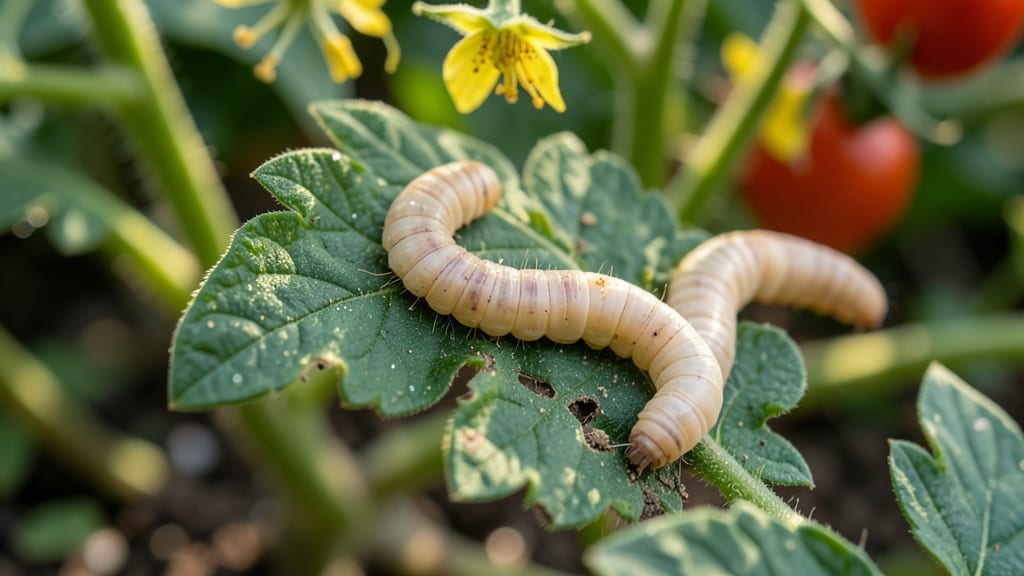
Worms on the tomato plant leaves don’t mean your harvest is doomed—I’ve stopped them in their tracks using a simple, chemical-free spray that works in under a day. 🌱 The key is identifying the culprit (hornworms, cutworms, or slugs) before deciding whether to handpick, spray, or set traps.
My garden went from skeletonized leaves to lush, hole-free foliage after just one targeted treatment.
Most gardeners panic at the sight of chewed tomato leaves, but the damage is rarely irreversible. Handpicking hornworms (those giant green caterpillars) at dusk is the fastest win—drop them in soapy water, and you’ll see fewer within hours.
For cutworms, a beer trap or diatomaceous earth barrier works like magic, while slugs respond to copper tape or crushed eggshells around the base. The secret? Act before the worms skeletonize entire leaves.
You’ll get results faster than you think: spray neem oil or a homemade garlic-chili mix at dusk, and the worms will retreat by morning. Companion plants like basil and marigolds also deter pests naturally, so interplanting saves time.
The best part? No harsh chemicals mean your tomatoes stay safe to eat straight from the vine.
This method works for container gardens, raised beds, or in-ground plots—just adjust the spray volume. Whether you’re dealing with a sudden infestation or want to prevent future attacks, these tricks keep your tomatoes thriving. Let’s get those leaves looking fresh again!
Common Culprits Behind Leaf Damage
When you spot worms munching on your tomato plant leaves, it’s not just an unsightly problem—it’s a sign that your plants are under siege by hungry pests. Understanding the why behind these critters’ presence is the first step to reclaiming your garden.
Below, we break down the most likely culprits, their behaviors, and what makes your tomato plants such an all-you-can-eat buffet. 🍅🐛
Cutworms are the stealthy troublemakers of the garden world. These caterpillars—often brown, gray, or black—hide beneath the soil or leaf litter during the day and emerge at night to chew through leaves, leaving behind ragged edges or even severed stems.
Tomato plants are a favorite because their broad leaves provide easy access to a fresh meal.
- Why they target tomatoes: Young tomato seedlings are particularly vulnerable because cutworms can sever them at the base, killing the plant entirely. Mature plants with tender new growth are also at risk.
- Signs of infestation:
- Leaves with large, irregular holes or notches.
- Plants wilting or collapsing overnight (a classic "cutworm cut" at the stem base).
- Small, dark droppings near the soil line.
- What attracts them: Moist, organic-rich soil (like freshly tilled garden beds) and dense plantings create the perfect hiding spots. Overwatering or mulching too heavily can also encourage their presence.
Hornworms—with their striking green bodies and red-orange "horns"—are the poster children of tomato leaf destruction. These voracious caterpillars can strip a plant bare in just a few days, leaving behind skeletonized leaves (where only the veins remain).
Despite their intimidating appearance, they’re actually the larvae of the sphinx moth, which lays eggs on tomato plants in spring.
- Why they love tomatoes: Hornworms are specialized feeders—they thrive on plants in the nightshade family (tomatoes, peppers, eggplants, and potatoes). Their saliva contains enzymes that break down plant tissues, making it easier to consume large chunks of leaves.
- Signs of infestation:
- Large, irregular holes or chewed leaves.
- Black droppings (frass) on leaves and soil.
- Visible worms (up to 4 inches long) camouflaged on stems or leaves.
- What attracts them: Healthy, vigorous tomato plants (ironically, the ones you’re nurturing!) are their preferred buffet. They’re also drawn to gardens with beneficial predators like ladybugs or lacewings, which they’ve evolved to avoid.
While not technically worms, slugs and snails are often mistaken for them due to the slime trails and irregular holes they leave behind. These nocturnal pests prefer soft, tender leaves and are especially active after rain or in humid conditions.
Tomato plants, with their large, juicy foliage, are a magnet for them.
- Why they target tomatoes: Slugs and snails have no jaws—they rasp at leaves with their tongues, creating smooth-edged holes or notches. They also love to feed on new growth, flowers, and even fruit, making them a double threat.
- Signs of infestation:
- Shiny, slime trails on leaves or soil.
- Small, round holes with smooth edges (no chewed texture).
- Leaves with "windowpanes" (translucent areas where the soft tissue is eaten).
- What attracts them:
- Moist, shaded areas (mulch, dense foliage, or low-lying plants).
- Organic matter like decaying leaves or compost piles.
- Tomato plants with damaged or stressed leaves (they’re easier to consume).
Too small to see with the naked eye, spider mites are often overlooked until they’ve caused significant damage. These arachnids (not insects!) suck plant sap and leave behind stippled or yellowed leaves with a fine webbing.
While they don’t "eat" leaves like worms, their feeding weakens plants, making them more susceptible to other pests.
- Why they plague tomatoes: Spider mites thrive in hot, dry conditions and are drawn to stressed tomato plants. They multiply rapidly, and their tiny size allows them to hide in the undersides of leaves.
- Signs of infestation:
- Leaves with tiny yellow or white speckles (like pepper sprinkled on them).
- Fine webbing on leaves or stems.
- Leaves that curl or drop prematurely.
- What attracts them:
- Drought stress or over-fertilization (especially with nitrogen).
- Poor air circulation (crowded plants or greenhouses).
- Tomato plants near other susceptible crops (like peppers or beans).
💡 Pro Tip: Most of these pests are drawn to stressed or unhealthy plants. Ensure your tomatoes get proper water, sunlight, and nutrients to make them less appealing—and more resilient—to invaders!
How to Fix Worm Damage Fast
Now that you know what’s munching on your tomato leaves, it’s time to take action! The good news? Most of these pests can be controlled with simple, natural methods—no harsh chemicals required.
Below, we’ll break down targeted solutions for each common culprit, along with prevention tips to keep your plants thriving. Let’s get your tomatoes back on track!
Fix: These fuzzy green caterpillars are fast but easy to spot. Here’s how to evict them:
- 🔪 Handpick & Drown
- Morning or evening (when they’re less active), inspect leaves for hornworms.
- Drop them into soapy water (1 tbsp dish soap + 1 gallon water) to kill them instantly.
- Pro tip: 💡 Check the underside of leaves—they love hiding there!
- 🦋 Encourage Natural Predators
- Parasitic wasps (like Cotesia congregata) lay eggs inside hornworms, turning them into "zombie caterpillars."
- Attract them by avoiding pesticides and planting dill, fennel, or parsley nearby.
- 🌿 Neem Oil Spray (Emergency Backup)
- Mix 1 tbsp neem oil + 1 tsp mild soap + 1 quart water. Spray early morning or late evening to avoid harming bees.
- Warning: 🌡️ Reapply every 5–7 days—it breaks down quickly.
Fix: These guys chew leaves into "sawtooth" patterns. Knock them out with these tricks:
- 🧹 Prune & Destroy
- Cut off heavily infested leaves and burn or bag them (don’t compost—the eggs may survive).
- Pro tip: ✨ Check tree bark or fence posts for egg masses in fall/winter and scrape them off!
- 🍳 Bacillus thuringiensis (Bt) Spray
- This organic bacterium is safe for humans and pets but deadly to caterpillars.
- Apply at dusk when pests are active. Reapply after rain.
- 🕷️ Introduce Spider Predators
- Orb-weaver spiders and ladybugs love munching on loopers. Plant marigolds or nasturtiums to attract them.
Fix: These sap-suckers weaken plants and leave sticky residue. Fight back with:
- 💦 Strong Water Spray
- Blast them off with a hose nozzle (aim for undersides of leaves).
- Do this every 2–3 days—aphids multiply fast!
- 🍋 Homemade Soap Spray
- Mix 1 tsp castile soap + 1 quart water. Spray directly on pests (avoid flowers to protect pollinators).
- Pro tip: 🎯 Add 1 tsp vegetable oil to smother mites.
- 🌿 Companion Planting
- Garlic, chives, or basil repel aphids. Plant them near tomatoes as a barrier.
Fix: These slimy pests leave glossy trails and holes. Stop them with:
- 🍺 Beer Traps (Yes, Really!)
- Bury a shallow dish filled with beer 1 inch deep. Slugs crawl in and drown.
- Pro tip: 🌡️ Place traps after sunset when they’re most active.
- 🧶 Copper Barrier
- Wrap copper tape around pots or garden beds—it gives them a mild electric shock when they touch it.
- 🌿 Diatomaceous Earth (DE)
- Sprinkle food-grade DE around plants. It’s non-toxic but deadly to slugs.
- Warning: ⏰ Reapply after rain—it loses effectiveness when wet.
Once you’ve kicked the pests out, lock them out with these habits:
- 🌿 Rotate Crops – Don’t plant tomatoes in the same spot yearly (pests build up in soil). - 🌞 Mulch Smartly – Use straw or grass clippings (not wood chips), which can harbor slugs. - 🕯️ Plant at the Right Time – Start seeds indoors and transplant after the last frost to avoid early pests. - 🔍 Inspect Daily – Catch infestations early before they spread.
A 10-minute check can save your harvest! - 🌼 Use Row Covers – Lightweight floating row covers block adult moths (hornworm parents) from laying eggs.
Final Thought: 🎉 With these methods, your tomato plants should bounce back within days—and you’ll have hole-free leaves in no time! The key is consistency (check weekly) and patience (some pests take 2–3 treatments). Happy gardening!
Frequently asked questions
What are the most common worms eating my tomato leaves?
The top culprits are hornworms (large green caterpillars with red horns), cutworms (small, brown/black nocturnal chewers), and slugs/snails (which leave shiny slime trails). Spider mites (tiny arachnids) also cause damage by sucking sap, though they're not true worms.
Will removing the worms harm my tomato plants?
No—removing worms actually helps! Handpicking hornworms or cutworms prevents further leaf damage, and your plant will redirect energy to growing fruit. Just avoid over-pruning leaves, as too much removal can stress the plant. For slugs, use barriers like copper tape instead of traps that harm beneficial insects.
How fast can I expect to see results after treatment?
Most natural methods show improvement within 24-48 hours. Handpicking worms or using beer traps for slugs works immediately, while sprays like neem oil or Bt take 3-5 days to fully take effect. Consistency is key—reapply treatments every 5-7 days or after rain for best results.
Can I still eat tomatoes if worms have been on the leaves?
Yes! Worms only eat leaves—they don’t contaminate the fruit. However, remove any heavily damaged leaves before they fall onto tomatoes. Always wash produce thoroughly before eating. The only exception is if you’ve used chemical pesticides, which should never be applied to edible plants.
What’s the best way to prevent future worm infestations?
Start with companion planting (basil, marigolds, or garlic near tomatoes repel pests). Use row covers for young plants, practice crop rotation, and maintain good garden hygiene by removing plant debris. Regular inspections catch problems early—check leaves morning and evening when worms are most active.