
Vegetables
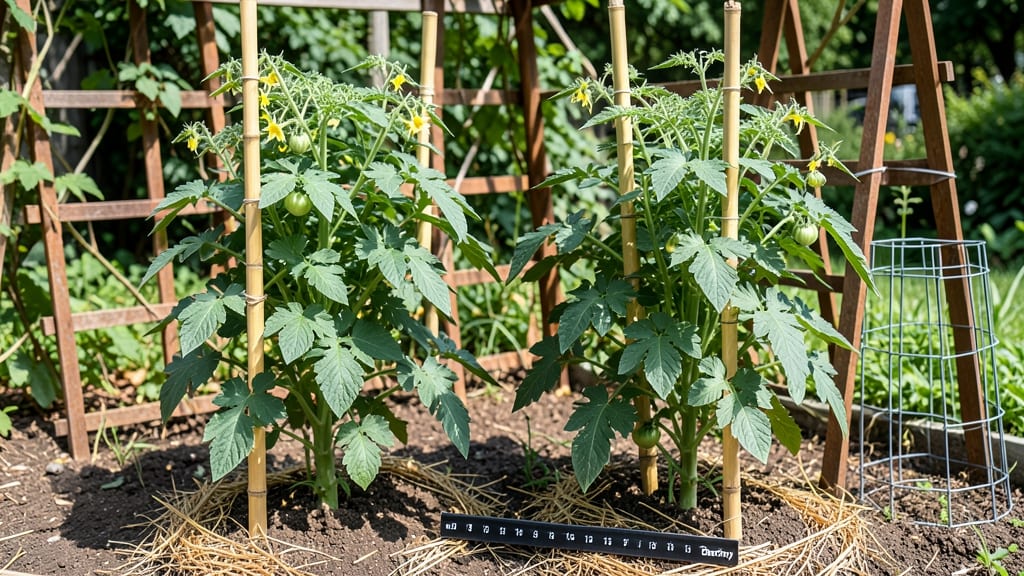
The park whopper tomato vs. better boy tomato battle is the one every backyard gardener debates—because both produce football-sized fruit that turns heads at farmers' markets. 🌱 I grew them side by side last summer, and while Better Boy’s classic beefsteak shape wins awards, Park Whopper’s uniform, 1-pound monsters are the crowd-pleaser for slicing.
The real difference? Better Boy needs sturdy cages to handle its weight, while Park Whopper’s bushier habit stays compact even without support.
Better Boy thrives in hot summers (it’s a heat-loving hybrid) but needs consistent watering to prevent cracking—those massive fruits demand steady moisture. Park Whopper, bred for disease resistance, handles humidity better and produces earlier in the season.
Both love full sun, but Better Boy’s vines sprawl aggressively, while Park Whopper’s determinate growth makes it ideal for containers or smaller spaces. Prune both heavily to focus energy on fruit size, not foliage.
Flavor-wise, Better Boy delivers sweet, meaty slices with fewer seeds, perfect for sandwiches, while Park Whopper’s juicier, tangier profile shines in salads. Harvest both when fully colored but still firm—Better Boy’s fruits can split if left too long.
My neighbors swore Park Whopper’s uniformity made it the winner for canning, but Better Boy’s bold flavor still takes the prize for fresh eating. Neither variety disappoints in yield, though Better Boy’s vigor often means more total pounds per plant.
Pick Park Whopper for low-maintenance giants in containers or small gardens, or choose Better Boy if you crave classic beefsteak flavor and don’t mind training vines. Both need rich soil, regular feeding, and protection from pests—just adjust your trellis game.
Either way, you’ll end up with tomatoes so big, your grill sessions become legendary. Ready to plant your champion?
The first product explained
Meet the Park Whopper Tomato—the undisputed heavyweight champion of the home garden! 🍅🔥 This heirloom tomato variety is a true giant, known for its massive size, rich flavor, and impressive productivity.
If you're dreaming of slicing a tomato so big it could feed a small army (or at least your next backyard BBQ), the Park Whopper is your go-to choice.
📏 Specs & Features
- Type: Indeterminate (vining, grows 6–10 feet tall—great for trellises or cages!)
- Size: Fruits can weigh 1–2 pounds each—some even reach whopping 3+ pounds!
- Color: Classic deep red with a glossy finish, though some varieties may have yellow or pink hues.
- Flavor: Sweet, juicy, and slightly tangy with a thick, meaty texture—perfect for slicing, sandwiches, or fresh eating.
- Days to Maturity: ~85 days from transplant (patience pays off with these behemoths!).
- Disease Resistance: Moderate resistance to Verticillium and Fusarium wilt, but watch for blight.
🎯 Who’s It For?
The Park Whopper is a dream come true for:
- 🌱 Home gardeners who love bragging rights (and Instagram-worthy harvests!).
- 🍔 BBQ and sandwich enthusiasts—imagine a Whopper-sized burger or BLT!
- 💪 Experienced growers with space for tall plants and a commitment to staking/pruning.
- 🍽️ Foodies and chefs who prioritize flavor and texture over quantity.
💰 Price Point & Availability
The Park Whopper is a mid-range investment for heirloom tomatoes, typically priced between $3–$5 per seed packet (or $10–$20 for bare-root plants). Availability varies by season, but most reputable seed companies (like Baker Creek, Johnny’s Selected Seeds, or Burpee) carry them.
Pro tip: Start seeds indoors 6–8 weeks before your last frost for the best results! 💡
Fun fact: The Park Whopper holds the Guinness World Record for the heaviest tomato ever grown—a 3.5-pound beast grown in 2011! Could yours be the next record-breaker? 🏆
The second product explained
Meet the Better Boy tomato—the beefy, juicy powerhouse designed to take your garden (and your sandwiches) to the next level! 🥔💪 If the Park Whopper is the heavyweight champ, the Better Boy is its equally impressive, slightly more versatile cousin, bred to deliver unmatched flavor, disease resistance, and sheer size. Let’s break down why this hybrid tomato is a home gardener’s dream.
📏 Specs & Features
The Better Boy is a hybrid heirloom (introduced in 1995 by House of Tomato), meaning it combines the best traits of multiple varieties for consistency, yield, and resilience. Here’s what sets it apart:
- Size: Fruits typically weigh 12–16 oz (340–450g), with some monsters cracking the 20 oz (567g) mark—think football-sized slices for burgers or BLTs!
- Color: A stunning deep red with a slightly ribbed texture, blending classic looks with a meaty, low-acid profile.
- Flavor: Sweet, balanced, and rich—often described as a cross between a beefsteak and a Roma, with minimal tang to clash with savory toppings.
- Growth Habit: Indeterminate vine (keeps growing until frost), producing fruit all season long if pruned and supported.
- Disease Resistance: Built-in defenses against verticillium wilt, fusarium wilt, and nematodes, making it low-maintenance for beginners.
- Days to Maturity: 75–85 days from transplant, so it’s a fast grower for a giant tomato.
🎯 Who’s It For?
The Better Boy is a versatile workhorse that thrives in:
- Home gardens: Ideal for containers (with support) or in-ground planting—its compact growth (compared to other beefsteaks) saves space.
- Urban farmers: Disease-resistant and high-yielding, it’s perfect for small plots or rooftop gardens.
- Sandwich lovers: The thick flesh and low acidity make it a BLT, burger, or bruschetta superstar.
- Preservationists: Holds up well to slicing, canning, or sauces—though purists argue fresh eating is best!
💰 Price Point & Availability
Seeds and transplants for Better Boy are widely available, with prices varying by source:
| Format | Price Range (USD) | Where to Buy |
|---|---|---|
| Seeds (pack of 10) | $2.50–$5.00 | Burpee, Johnny’s Selected Seeds, Etsy (heirloom sellers) |
| Transplants (6-pack) | $6–$12 | Local nurseries, Home Depot, Lowe’s (seasonal) |
| Organic/Non-GMO | $8–$15 | Baker Creek Heirloom Seeds, Planet Natural |
Pro Tip: 💡 Buy transplants from reputable growers in early spring to skip the seed-starting hassle—or start seeds indoors 8–10 weeks before last frost for maximum yield.
With its bold flavor, disease resistance, and adaptability, the Better Boy is a top-tier choice for gardeners who want restaurant-quality tomatoes at home. Ready to grow your own giant?
Head-to-head comparison
Alright, garden warriors—let’s dive into the juicy details! 🍅🔥 The Park Whopper Tomato and the Better Boy Tomato are both heavyweights in the world of beefsteak tomatoes, but they’ve got distinct flavors, growth habits, and uses.
Below, we break down how they stack up across key categories so you can decide which one deserves a spot in your garden (or kitchen!).
🌱 Growth & Performance
If you’re dreaming of huge, meaty tomatoes that’ll impress at your next BBQ, both varieties deliver—but with different personalities.
- Park Whopper:
- 📏 Size: Lives up to its name! These tomatoes can grow to 1–2 lbs each, making them one of the largest beefsteak varieties out there. Imagine slicing a tomato so big it takes up half your plate! 🥗
- 🌿 Growth Habit: Indeterminate (vining), so it’ll keep producing fruit all season long if you keep it pruned and supported. Expect 6–8 feet of vertical growth—perfect for trellises or cages.
- 🍅 Yield: High! With proper care, you can harvest 10–20+ tomatoes per plant in a single season.
- 🌡️ Heat Tolerance: Moderate. While it loves warmth, it can struggle in extreme heat or humidity (think: >90°F).
- Better Boy:
- 📏 Size: Slightly smaller than the Park Whopper but still giant—typically 12–16 oz per tomato. They’re dense, thick-fleshed, and hold up well to slicing.
- 🌿 Growth Habit: Also indeterminate, but slightly more compact than the Park Whopper. Still needs support (cages or stakes), but may not sprawl as aggressively.
- 🍅 Yield: Consistent and abundant, with 8–15 tomatoes per plant under ideal conditions.
- 🌡️ Heat & Disease Resistance: Better Boy’s secret weapon! It’s bred for heat tolerance and resistance to cracking, fusarium wilt, and verticillium wilt. This makes it a top pick for hot climates or gardeners dealing with soil-borne diseases.
Winner for:
- 🏆 Biggest tomatoes? Park Whopper (if you want monster slices).
- 🏆 Easiest to grow in tough conditions? Better Boy (heat + disease resistance).
🍽️ Flavor & Texture
Now, the real test: how do they taste? Both are beefsteaks, but their flavor profiles can’t be more different.
| Category | Park Whopper | Better Boy |
|---|---|---|
| Flavor Profile | 🍅 Sweet, rich, and complex—think classic beefsteak with a juicy, almost tropical undertone. Some describe it as less acidic than other beefsteaks. | 🍅 Balanced sweetness with a hint of tang. It’s less watery than many heirlooms, with a firm, meaty texture that holds up well to slicing. |
| Texture | 🥗 Thick, juicy, and slightly soft when ripe. Great for sandwiches, salads, or eating fresh—but can get mushy if overripe. | 🍴 Dense and firm, even when fully ripe. Holds its shape better than Park Whopper, making it ideal for grilling or burger toppings. |
| Best For |
|
|
Winner for:
- 🏆 Flavor depth? Park Whopper (if you love complex, sweet tomatoes).
- 🏆 Versatility & texture? Better Boy (grilling, slicing, or sauces).
💰 Price & Availability
Your wallet will thank you for knowing where to find these giants—and how much they’ll cost.
- Park Whopper:
- 💵 Seed Cost: Typically $3–$5 per packet (heirloom varieties can be pricier).
- 🌍 Availability: More common in heirloom seed catalogs (Baker Creek, Seed Savers Exchange). Harder to find in big-box stores.
- 🌱 Transplant Cost: If buying starts, expect $4–$7 per plant (seasonal).
- Better Boy:
- 💵 Seed Cost: $2–$4 per packet (hybrid, so often cheaper).
- 🌍 Availability: Widely available—sold at garden centers, Home Depot, Lowe’s, and online (Burpee, Bonnie Plants).
- 🌱 Transplant Cost: $3–$6 per plant (often sold as "Better Boy" labeled plants).
Winner for:
- 🏆 Budget-friendly? Better Boy (easier to find, often cheaper).
- 🏆 Heirloom enthusiasts? Park Whopper (if you love saving seeds!).
🛡️
Which one should you choose?
So, which tomato reigns supreme in your garden? The answer depends on your priorities—whether you're chasing flavor, size, or versatility. Here’s our final verdict to help you decide:
🏆 Pick the Park Whopper Tomato if...
- 🌟 You want the ultimate bragging-rights tomato. Nothing beats the sheer wow factor of a 2+ pound fruit—perfect for feeding a crowd or making a statement at potlucks.
- 🍽️ You love classic beefsteak flavors. Its rich, meaty texture and balanced sweetness make it ideal for sandwiches, burgers, or slicing over salads.
- 🌿 You’re okay with a longer growing season. If you’re in a warm climate or have a greenhouse, its late-maturing nature won’t be an issue.
🥇 Pick the Better Boy Tomato if...
- 💪 You need a reliable high-yield producer. Better Boys are consistent, disease-resistant, and deliver every time—great for beginners or busy gardeners.
- 🍅 You crave versatility. Their balanced flavor works for everything: sauces, salsas, grilling, or even roasting. Plus, they’re easier to store.
- 🌍 You’re in a cooler or shorter season. Their earlier maturity means you’ll get tomatoes faster than with the Park Whopper.
🤝 The Compromise Pick?
If you can’t decide—or want the best of both worlds—try growing both! Plant a few Better Boys for early harvests and reliability, then dedicate a corner of your garden to a Park Whopper for that once-in-a-lifetime giant. Just be prepared for some serious tomato envy from neighbors! 😉
Pro Tip: 🌱 Save seeds! Both tomatoes are heirloom varieties, so you can grow them year after year—no need to buy new plants once you’ve got the bug.