
Planting
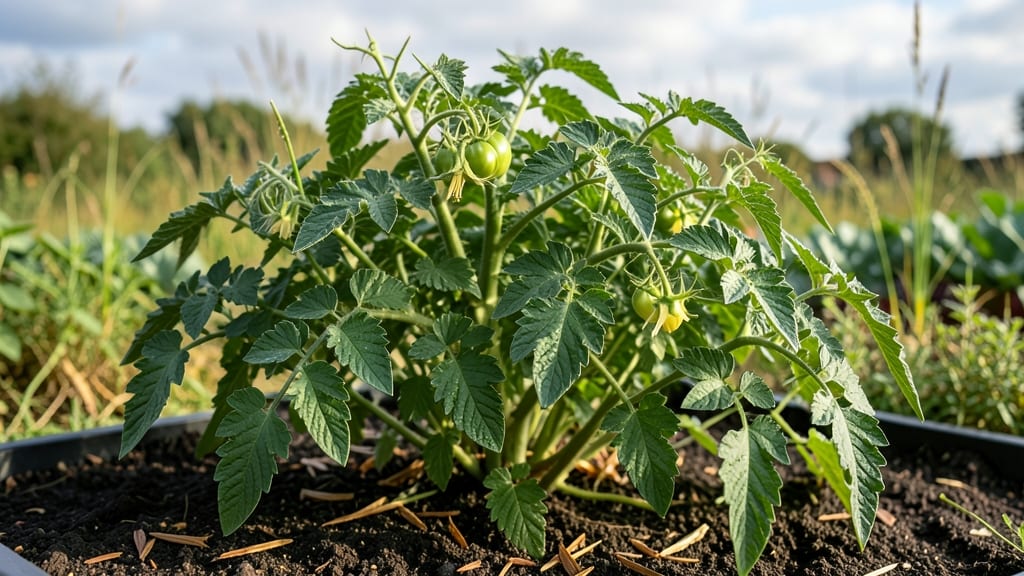
A hybrid tomato plant is created by crossbreeding two distinct tomato varieties to combine desirable traits like disease resistance, higher yields, or improved flavor, often outperforming heirloom types in consistency and hardiness.
A hybrid tomato plant isn't just a mix of two varieties—it's a carefully engineered solution for gardeners. 🌱 These plants often result from controlled pollination between two parent lines, creating F1 hybrids that inherit the best traits from both.
This process ensures predictable outcomes, like uniform fruit size and faster maturation, which is why they're a favorite in commercial farming. What's fascinating is how they balance practicality with performance, making them ideal for both home gardens and large-scale production.
Unlike heirloom tomatoes, which rely on open pollination and may produce inconsistent results, hybrids are bred specifically to address common growing challenges. For example, many hybrids resist diseases like blight or powdery mildew, reducing the need for chemical treatments.
This genetic advantage often translates to higher yields per plant and more reliable harvests, especially in less-than-perfect growing conditions.
💡 In This Article
- How Hybrid Tomato Plants Are Created and Their Genetic Advantages
- Hybrid vs Heirloom Tomatoes: Key Differences for Gardeners
How hybrid tomato plants are created and their genetic advantages
The creation of hybrid tomato plants begins with controlled pollination in a greenhouse or breeding facility. Plant breeders carefully select two parent varieties—often one with exceptional disease resistance and another with superior flavor or yield—to create offspring with combined strengths.
This process involves removing the male parts from one flower and manually transferring pollen from the chosen male parent, ensuring precise genetic pairing. The resulting seeds produce F1 hybrids, which exhibit what's called heterosis or hybrid vigor—meaning they often outperform their parents in growth rate and productivity.
Genetically, hybrids inherit specific traits like uniform fruit shape (critical for commercial markets) and thicker skins that resist cracking during rain.
For example, the popular 'Celebrity' hybrid combines the disease resistance of 'Mountain Merit' with the sweetness of 'Better Boy', creating a plant that yields 10-15 pounds of fruit per vine while withstanding blight. This genetic consistency is why hybrids dominate grocery store shelves—their predictable performance reduces waste for farmers.
The trade-off? These plants often produce sterile seeds, meaning gardeners can't save them for next year's crop.
One of the most significant advantages is faster maturation. Many hybrids reach fruiting stage 60-70 days after transplanting, compared to heirlooms that may take 85-90 days. This accelerated growth is particularly valuable in shorter growing seasons.
The genetic combination also frequently includes built-in disease resistance—some hybrids carry Vf genes that protect against verticillium wilt, a fungal disease that can devastate heirloom plants. This resistance often eliminates the need for fungicides, making hybrids more sustainable in organic farming systems.
However, the breeding process isn't just about disease resistance. Flavor development plays a crucial role too. While hybrids often prioritize sugar content and acidity balance, some newer varieties now focus on flavor intensity without sacrificing yield.
For instance, the 'Sungold' hybrid delivers 20% more lycopene (the antioxidant linked to tomato health benefits) than many heirlooms while maintaining its famous sweet, tangy taste.
The key is that breeders now use flavor profiling techniques that analyze chemical compounds like sugars, acids, and volatiles to create hybrids that please both palates and producers.
Consider the growth habit differences too. Many hybrids are bred to be determinate (bush-type) for container growing or indeterminate (vining) for trellises, giving gardeners precise options. The 'Big Beef' hybrid, for example, produces 8-ounce fruits on a compact plant perfect for small spaces, while still delivering commercial-grade yields.
This level of control is what makes hybrids so appealing for both home gardeners and large-scale agriculture—you're essentially getting a plant that's been fine-tuned for specific growing conditions and purposes.
What's particularly interesting is how hybrid traits manifest at the cellular level. The chloroplasts in hybrid leaves often show increased efficiency in photosynthesis, leading to more vigorous growth. Meanwhile, the fruit cell walls develop with optimal firmness for shipping, yet still soften appropriately when ripe.
This cellular-level optimization is what allows hybrids to maintain quality even after 10-14 days of storage—a critical factor for grocery store distribution. 🌱