
Planting
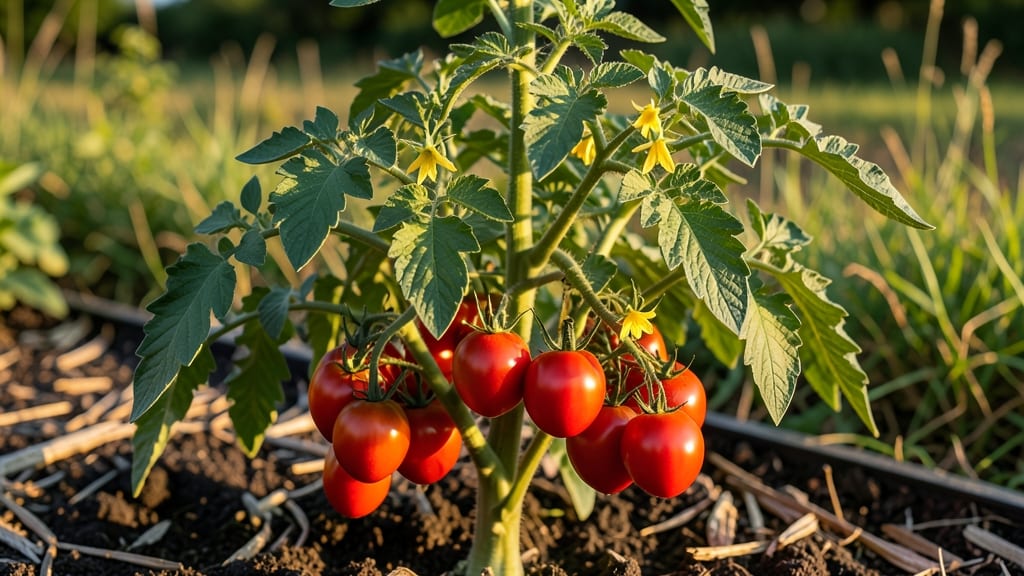
Growing a red beefsteak tomato plant means homegrown slices that taste like summer in every bite—juicy, meaty, and packed with old-fashioned flavor. 🌱 I’ve grown this variety for years, and what makes it special isn’t just the size of those beefy tomatoes (some crack your plate when sliced!) but how reliably it produces through heat and humidity without collapsing under disease.
The secret starts with the right setup: rich, well-draining soil, a sunny spot with at least 6-8 hours of direct light daily, and a sturdy cage or trellis to support those heavy fruits.
Unlike fussy heirlooms, this determinate variety stays compact, making it perfect for containers or small gardens—no sprawling vines taking over your space. By mid-summer, you’ll be harvesting pound after pound of tomatoes that hold their shape when cooked and burst with sweetness when fresh. The key?
Consistent watering (deep but not soggy) and pruning to focus energy on fruit production, not leafy growth. Works in zones 3-10, thrives in heat, and even handles some drought once established. Here’s how to grow one that outshines store-bought every time—no greenhouses or fancy tools required.
📚 In This Guide
- What you need
- Instructions
- Tips and common mistakes
- Wrapping up and next steps
What you need
- ● Seeds or Seedlings: 2–4 red beefsteak tomato seeds (or 1–2 healthy seedlings from a nursery). Choose disease-resistant varieties like 'Brandywine' or 'Cherokee Purple' for extra resilience.
- ● Growing Containers or Garden Bed: Containers: 5-gallon pots (minimum) with drainage holes—3–4 plants per container if using large pots.
- ● Garden Bed: Full sun (6–8+ hours/day) and well-draining soil. Space plants 2–3 feet apart for optimal airflow.
- ● High-Quality Potting Mix or Soil: A balanced blend (e.g., 60% topsoil, 30% compost, 10% perlite/sand) to prevent compaction. Avoid garden soil with pests or diseases.
- ● Fertilizer: Starting: Balanced fertilizer (10-10-10) at planting time.
- ● Growth: Tomato-specific fertilizer (5-10-10 or higher in phosphorus/potassium) every 2–3 weeks.
- ○ Support System: Cages (5–6 ft tall) or stakes (6+ ft) to support heavy fruits. Optional: Trellis for vertical growth in small spaces.
- ● Mulch: Straw or shredded leaves to retain moisture and suppress weeds.
- ● Watering Can or Hose: With a gentle spray nozzle to avoid damaging leaves.
- ● Pruning shears (for trimming suckers and dead leaves).
- ● pH testing kit (ideal soil pH: 6.0–6.8).
- ● Organic pest control (neem oil, insecticidal soap).
- ● Garden gloves (to protect hands from thorns and soil).
- ● Row cover or shade cloth (for early seedlings or hot climates).
Step-by-step guide to growing a thriving red beefsteak tomato plant
This heirloom variety delivers restaurant-quality tomatoes with minimal fuss—just follow these proven steps.
🌱 Step 1: Start Seeds Indoors at the Right Time
Plant seeds 6-8 weeks before your last frost date in biodegradable pots (3-4 inches deep) filled with sterile seed-starting mix. The key is warmth—place pots on a seedling heat mat set to 75-85°F to trigger germination in 7-10 days. Without this warmth, seeds may take twice as long or fail entirely.
Press 2-3 seeds per pot just ¼ inch deep—any deeper and they’ll struggle to break through. Mist the surface with water until the mix feels damp like a wrung-out sponge. Cover with plastic wrap to trap humidity, but remove it the moment sprouts appear to prevent fungal rot.
☀️ Step 2: Provide Ideal Light and Prevent Leggy Growth
The instant seedlings emerge, move them under 14-16 hours of bright light daily—a south-facing window won’t cut it. Use a full-spectrum LED grow light positioned 2-4 inches above the plants. Leggy seedlings (thin, pale stems) mean light deprivation, and beefsteaks won’t recover their vigor.
Rotate pots quarter-turn daily so plants grow straight, not lopsided. After 4-6 weeks, when seedlings have 3-4 true leaves, harden them off by placing outside in partial shade for 1-2 hours the first day, increasing time gradually over 10-14 days. This toughens stems for transplanting.
🪴 Step 3: Transplant to a Sun-Drenched Spot with Strong Support
Choose a location with full sun (8+ hours daily) and well-draining soil with a pH of 6.0-6.8. Bury seedlings deeper than the pot—up to the first set of true leaves—to encourage root growth. Beefsteaks need strong support: install a 6-foot tomato cage or sturdy bamboo stake at planting time to avoid disturbing roots later.
Water deeply at transplanting to settle soil, then maintain 1-2 inches of moisture in the topsoil. Mulch with 2-3 inches of straw to retain moisture and suppress weeds. The first flowers will appear in 6-8 weeks, but remove them—let the plant focus on foliage first for stronger fruit production.
💧 Step 4: Water Deeply and Fertilize for Maximum Flavor
Beefsteaks thrive with deep, infrequent watering—aim for 1 inch per week, more in extreme heat. Water at the base in the morning to prevent fungal diseases like blight. Avoid wetting leaves, which creates ideal conditions for early blight (brown spots on lower leaves).
Feed every 2-3 weeks with a balanced organic fertilizer (10-10-10) until flowers appear, then switch to a low-nitrogen, high-phosphorus blend (5-10-10) to boost fruiting. Prune suckers (shoots in the leaf axils) regularly to direct energy to fruit development, not excess foliage.
✂️ Step 5: Harvest and Extend the Season
Pick tomatoes when they’re fully colored but still slightly firm—they’ll ripen indoors in a paper bag with a banana for 2-3 days. Beefsteaks can reach 1-2 pounds each, so harvest frequently to encourage more production. In cooler climates, use row covers to extend the season until first frost, then dig up the plant and pot it for indoor winter growing.
Save seeds from your best tomatoes by scooping out the gel, fermenting it in a jar for 3-5 days, then rinsing and drying seeds on paper towels. Store in an envelope—your next year’s plants will be even more robust.
Tips & tricks for perfect red beefsteak tomatoes
These proven strategies will help you grow tomatoes that rival the best from your local farmers' market.
Germination Tip: The 75-85°F heat mat is non-negotiable for consistent germination. I've seen seeds take 2-3 weeks without it—don't skip this step! If you don't have a heat mat, place pots on top of your refrigerator or in a warm corner of your kitchen. You can also use a DIY solution: place pots inside a sealed plastic bag with a heating pad underneath, checking temperatures with an infrared thermometer to stay in that critical range.
Lighting Strategy: For the 14-16 hours of light, I recommend using a timer on your grow light to automate the process. Morning sunlight is most beneficial, so position your setup near a south-facing window if supplementing with natural light. Watch for seedlings leaning toward the light source—this is your cue to rotate them quarter-turn daily as instructed. If you notice stems stretching excessively (leggy growth), increase light intensity by lowering the LED closer (down to 1-2 inches) temporarily until they recover.
Transplanting Hack: When transplanting, I like to add a handful of compost to the planting hole before placing the seedling. This gives roots an immediate nutrient boost as they establish. For the deeper burial technique, mark the pot line with a pencil before planting so you can see exactly how deep to bury—up to those first true leaves. This technique encourages stronger root systems that can support those 1-2 pound tomatoes we're all dreaming of.
Fertilizing Insight: The switch from 10-10-10 to 5-10-10 fertilizer is crucial for fruit development. I've found that beefsteaks respond particularly well to a foliar spray of fish emulsion (1-2-2 ratio) applied every 2 weeks alongside the soil fertilizer. This delivers nutrients directly to the leaves where they're most needed during flowering and fruiting stages. Just be sure to apply in the early morning so leaves have time to dry before evening.
Pro Tips for Red Beefsteak Tomato Plant
- These proven strategies will help you grow tomatoes that rival the best from your local farmers' market.
- Germination Tip: The 75-85°F heat mat is non-negotiable for consistent germination.
- Lighting Strategy: For the 14-16 hours of light, I recommend using a timer on your grow light to automate the process.
Frequently asked questions
Got questions about growing your own red beefsteak tomato plant? You’re not alone! Here are some of the most common queries—and their answers—to help you grow like a pro.
How long does a red beefsteak tomato plant take to produce fruit?
A red beefsteak tomato plant typically takes 70–85 days from transplanting to harvest, depending on your climate and growing conditions. In warmer regions, you might see ripe tomatoes as early as 60 days, while cooler areas may take longer. Patience pays off—these beauties are worth the wait!
Can red beefsteak tomatoes grow in containers?
These vining plants thrive in 5-gallon containers or larger with proper support (like a sturdy trellis or cage). Just ensure the pot has drainage holes and use a high-quality potting mix rich in organic matter. Container-grown beefsteaks may produce slightly smaller fruit but are perfect for patios or small spaces.
What pests or diseases should I watch for with red beefsteak tomatoes?
Red beefsteak tomatoes are disease-resistant but can still fall prey to pests like hornworms, aphids, or whiteflies, as well as fungal issues (e.g., early blight). Preventative care—like crop rotation, proper spacing, and neem oil sprays—keeps them healthy. Remove affected leaves promptly to stop spread.
Why are my red beefsteak tomatoes cracking?
Cracking is common in beefsteaks due to uneven watering or rapid growth. To prevent it, water consistently (especially during fruit development) and mulch to retain moisture. If cracks appear, don’t stress—just harvest promptly and enjoy the flavor! Overwatering or drought stress are the usual culprits.
What’s a good companion plant for red beefsteak tomatoes?
Pair your beefsteaks with basil, marigolds, or onions to deter pests and improve growth. Avoid planting near corn or fennel, as they compete for nutrients. Herbs like thyme or dill also make great neighbors—they enhance flavor and repel harmful insects naturally.
Wrapping up and next steps
Growing a red beefsteak tomato plant is a rewarding journey that brings bold flavor and resilience to your garden! 🌱 With its disease-resistant traits and classic taste, this variety is perfect for both beginners and seasoned gardeners.
Whether you’re planting in containers or your backyard, the key is patience, proper care, and a little love.
Ready to harvest those juicy, hearty tomatoes? Start by choosing the right spot—sunny, well-drained soil—and follow the steps you’ve learned. Soon, you’ll be enjoying homegrown tomatoes straight from the vine! 🍅✨
Now, why not share your progress or tips with fellow gardeners? Tag us in your harvest pics!