
Companion Plants
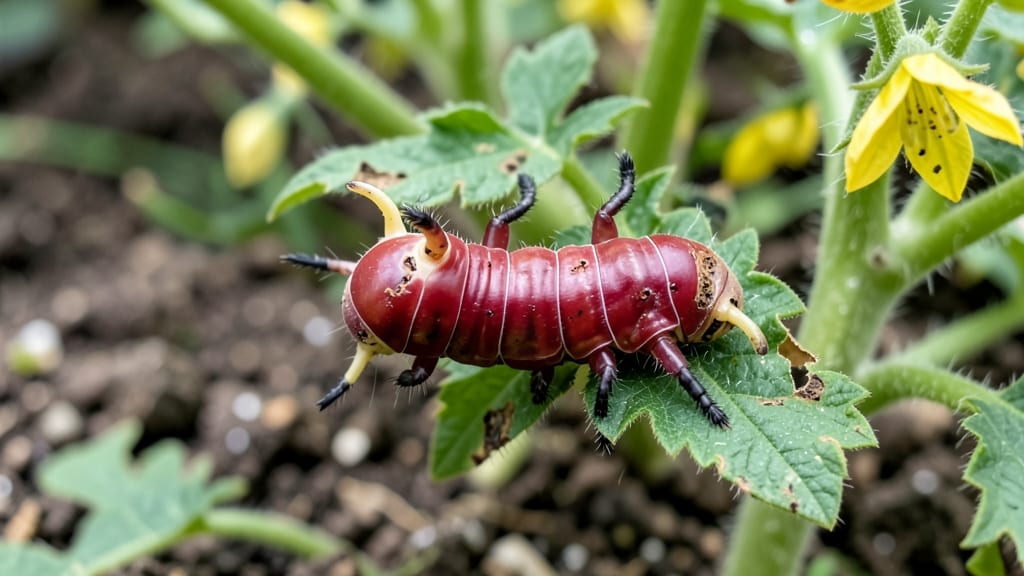
Red insects on tomato plants mean your harvest is under attack—fast action prevents total crop loss. 🌱 I’ve seen tomato leaves skeletonized by tiny red mites and hornworms strip plants bare overnight, but these 5 common pests have predictable patterns and quick fixes.
The culprits range from microscopic spider mites to inch-long hornworms, each leaving telltale damage: silvery webbing, chewed leaves, or sticky residue.
Most gardeners panic when they spot red invaders, but knowing the pest lets you target the solution—whether it’s a blast of water, handpicking, or a 5-minute neem oil spray.
By the end of this guide, you’ll spot the signs early and stop the spread before your plants look like Swiss cheese. The key is acting fast while keeping treatments simple and organic.
Works for backyard gardens, containers, or even patio pots—no matter how bad it looks, we’ll get your tomatoes back on track.
Root Causes Of Tiny Invaders
When you spot red insects on tomato plants, it’s rarely a coincidence—these pests don’t just appear out of nowhere. Instead, they’re drawn to your garden by specific conditions that create the perfect breeding ground.
Understanding why these critters show up is the first step to stopping them before they wreck your harvest. Let’s break down the science behind their unwelcome visits.
Tomato plants under stress—whether from nutrient deficiencies, overwatering, or poor air circulation—emit chemical signals that attract pests. Red insects like aphids or thrips thrive on weakened plants because they’re easier to feed on and less likely to fight back.
Why it happens:
- Nutrient imbalances: Too much nitrogen (common in fresh manure) makes plants soft and sugary, a buffet for sap-sucking pests.
- Waterlogged soil: Poor drainage stresses roots, forcing plants to divert energy to survival instead of defense.
- Pruning neglect: Dense foliage traps humidity, creating a cozy microclimate for insects to multiply.
💡 Pro Tip: Test your soil pH (aim for 6.0–6.8) and rotate crops yearly to prevent nutrient depletion. Prune regularly to improve airflow—red insects hate dry conditions!
Red insects like red spider mites and tomato russet mites adore heat and shelter. A south-facing garden bed, greenhouse, or even a thick mulch layer can turn your tomato plants into a pest paradise.
Why it happens:
- Heat retention: Dark soil or black plastic mulch absorbs sunlight, raising temperatures near the plant—ideal for mites, which thrive at 80–90°F.
- Low humidity control: Dry air (below 40% humidity) stresses plants, but high humidity (above 60%) creates sticky conditions that mites love.
- Undisturbed foliage: Insects hide under leaves, especially if the plant isn’t shaken or sprayed regularly.
🌡️ Action Step: Use light-colored mulch (straw or pine needles) to reflect heat. Install a fan near plants to disrupt mite webs and improve airflow.
Red insects often explode in numbers when their natural predators—like ladybugs, lacewings, or parasitic wasps—are missing. This happens in gardens with no biodiversity or after pesticide use.
Why it happens:
- Broad-spectrum pesticides: Chemicals like neonicotinoids kill both pests AND their predators, leaving red insects unchecked.
- Monoculture gardening: Planting only tomatoes removes habitat for beneficial insects (e.g., dill or fennel attract predatory wasps).
- Seasonal timing: Early in the season, predators may not have arrived yet, giving red insects a head start.
✨ Eco-Friendly Fix: Plant companion flowers (marigolds, alyssum) near tomatoes to attract predators. Avoid systemic pesticides—opt for neem oil or soapy water sprays instead.
Red insects don’t always originate in your garden. They often hitch rides on wind, wildlife, or even gardening tools from infested plants, weeds, or neighboring farms.
Why it happens:
- Windborne spread: Tiny mites or aphids can travel miles on breeze, landing on your tomatoes from wild plants or nearby crops.
- Wildlife vectors: Birds or squirrels may carry eggs or insects from one garden to another.
- Contaminated tools: Pruners, stakes, or pots used in infested areas can transfer pests to healthy plants.
🔥 Prevention Checklist:
- Inspect new plants for pests before transplanting (quarantine for 2 weeks if needed).
- Sanitize tools with rubbing alcohol between uses.
- Remove weeds (especially nightshade family plants) near your tomatoes.
By addressing these root causes, you’re not just treating symptoms—you’re cutting off the red insects’ lifeline. Next, we’ll dive into how to identify which specific red pest is crashing your tomato party so you can tackle it head-on.
How to Fix Red Insect Invaders
Spotting red insects feasting on your tomato plants can be frustrating, but don’t panic! With the right approach, you can eliminate these pests quickly and protect your harvest.
Below are targeted solutions for the most common culprits—tomato hornworms, red spider mites, red imported fire ants, red lily beetles, and red tomato mites—along with prevention tips to keep your garden thriving.
These caterpillars devour leaves and fruit in hours, but they’re easy to spot (and squish!).
👨🍳 Immediate Action: Manual Removal
- 🔪 Grab and go: Wear gloves and pluck them off by hand—drop them into soapy water to kill them instantly.
- 🌙 Night patrol: Hornworms are most active at dawn/dusk. Shine a flashlight on plants to spot and remove them early.
💡 Prevention Tips
- 🌱 Plant companions: Interplant with basil, marigolds, or dill—their strong scents deter hornworms.
- 🐛 Encourage predators: Ladybugs and parasitic wasps (like Cotesia congregata) love hornworm eggs. Avoid pesticides to keep them around!
- 🕰️ Regular checks: Inspect plants 2–3 times a week during peak season (June–August).
These microscopic pests thrive in dry, hot conditions, leaving silvery speckles on leaves. Act fast—they multiply exponentially.
💦 Quick Fixes
- 🌧️ Blast them off: Spray plants with a strong stream of water (early morning) to knock mites off leaves.
- 🧼 Soap spray: Mix 1 tbsp mild dish soap + 1 quart water, spray undersides of leaves, and repeat every 3–4 days.
- 🌿 Neem oil solution: Combine 2 tbsp neem oil + 1 tsp mild soap + 1 quart water, spray thoroughly (reapply weekly).
🌡️ Prevention Tips
- 💧 Keep humidity up: Water plants at the base (not leaves) to maintain moisture.
- 🌿 Mulch heavily: Organic mulch (straw or grass clippings) retains soil moisture and deters mites.
- 🌿 Companion plants: Chives, garlic, or nasturtiums repel spider mites naturally.
These ants don’t just bite—they damage roots and fruit while stinging gardeners. Their mounds near tomato plants are a red flag (pun intended).
🔥 Elimination Steps
- 🏗️ Locate the nest: Follow trails to the mound—treat the entire colony, not just surface ants.
- 🧴 Bait stations: Use borax or diatomaceous earth bait (follow package instructions). Place near mounds but away from plants to avoid harming tomatoes.
- 💧 Drown the mound: Pour boiling water into the nest entrance (repeat for 3–4 days). For large colonies, call a pest control pro.
✨ Prevention Tips
- 🌿 Remove debris: Clear leaf litter and rocks where ants hide.
- 🍃 Use barriers: Sprinkle coarse sand or crushed eggshells around plant bases—ants avoid these textures.
- 🌱 Plant deterrents: Lemon balm, mint, or tansy confuse their scent trails.
These shiny beetles skeletonize tomato leaves and spread disease. They’re notorious for returning yearly.
🛡️ Fast Solutions
- 🕵️♂️ Handpick daily: Drop beetles into soapy water—they’re slow and easy to catch.
- 🌿 Beer trap: Bury a cup filled with beer near plants (beetles drown in it). Refresh every 2 days.
- 🧴 Horticultural oil: Spray refined oil (like Safer Brand) on leaves at dusk to suffocate eggs and adults.
🎯 Prevention Tips
- 🌿 Trap crops: Plant lilies or fritillaries (their favorites) far from tomatoes to lure them away.
- 🌱 Rotate crops: Avoid planting tomatoes in the same spot yearly—beetles overwinter in soil.
- 🔦 Early detection: Check plants weekly for eggs (tiny orange clusters on leaf undersides).
Smaller than spider mites but just as harmful, these pests thrive in hot, dry conditions and cause stippling on leaves.
🌿 Organic Treatments
- 🍋 Citrus spray: Mix 1 cup citrus oil + 1 tsp soap + 1 gallon water, spray leaves thoroughly (reapply every 5 days).
- 🌿 Predatory mites: Release phytoseiulus persimilis (beneficial mites) to hunt them down.
- 🌿 Kaolin clay: Dust plants with Surround WP to create a barrier—mites can’t feed through it.
💡 Prevention Tips
- 💧 Consistent watering: Keep soil evenly moist (but not soggy) to deter mites.
- 🌿 Shade cloth: Use 30–50% shade cloth in peak summer to reduce heat stress.
- 🌿 Crop rotation: Avoid planting tomatoes in the same bed for 3+ years.
Pro Tip: 💡 Combine methods for best results! For example, handpick hornworms while spraying neem oil for mites. And always check the undersides of leaves—that’s where pests love to hide.
With these strategies, your tomato plants will bounce back stronger. Stay vigilant, and happy gardening! 🍅🌱
Frequently asked questions
What are the most common red insects attacking tomato plants?
The top culprits include red spider mites (tiny, web-spinning pests), tomato hornworms (large green caterpillars with red stripes), red lily beetles (shiny, oval beetles), and red imported fire ants. Each leaves distinct damage—check for chewed leaves, silvery speckles, or ant trails near roots.
How do I tell if my tomato plants have spider mites vs. aphids?
Spider mites create fine webbing on leaves and leave silvery stippling, while aphids cluster on new growth and excrete sticky honeydew. Red spider mites thrive in dry heat, while aphids prefer moist conditions. Use a magnifying glass—mites are microscopic, but aphids are visible to the naked eye.
Can I use neem oil on tomato plants with red insects?
Yes! Neem oil works against mites, beetles, and aphids—mix 2 tbsp neem oil + 1 tsp soap + 1 quart water and spray undersides of leaves. Reapply every 5–7 days until pests disappear. Avoid spraying in direct sunlight or extreme heat to prevent leaf burn.
Why do red insects keep coming back even after treatment?
Pests often return due to untreated eggs, new infestations from wind/wildlife, or stressed plants attracting more. Check leaf undersides for eggs, isolate infested plants, and improve airflow/soil health. Rotate organic treatments (e.g., neem oil one week, soapy water the next) to prevent resistance.
Are red insects harmful to humans or pets?
Most red tomato pests (like mites or beetles) are harmless to humans/pets, but red imported fire ants can sting painfully. Avoid handpicking ants without gloves, and keep pets away from treated plants until sprays dry. Always opt for pet-safe solutions like soapy water or diatomaceous earth.