
Companion Plants
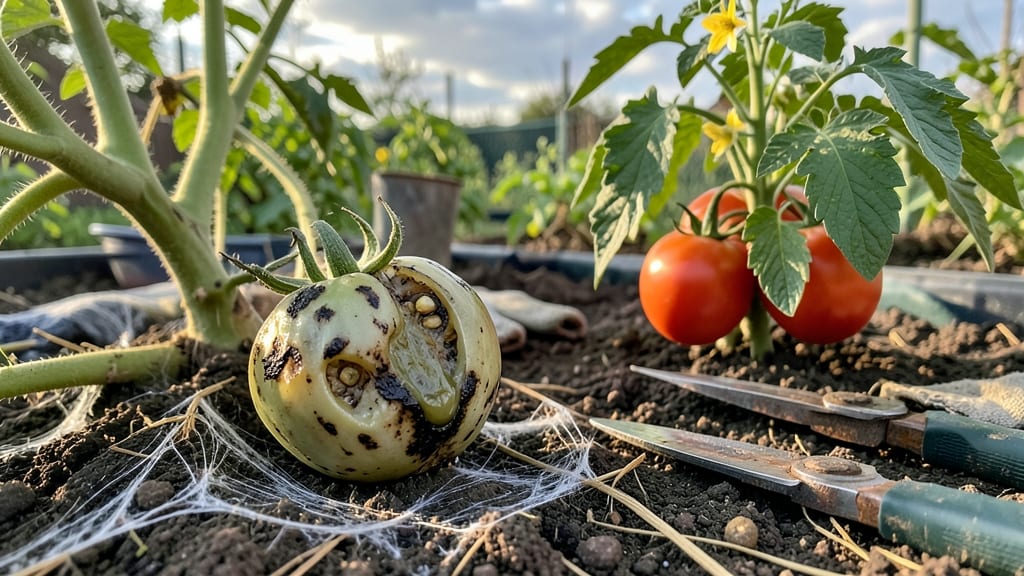
Your tomato plants are rotting at the base, and no one wants to watch their hard-earned vines collapse from blight or soggy soil. 🌱 I’ve seen this heartbreaking scene too many times—until I discovered how the right companion plants could turn the tide, even when the damage seems irreversible.
The key isn’t just pruning or fungicide; it’s the plants you don’t see working underground.
Blight thrives in damp, crowded conditions, but marigolds and basil act like natural bodyguards, repelling pests and improving airflow around your tomatoes. Overwatering? Companion plants like thyme or oregano help break up compacted soil, letting roots breathe.
I’ve rescued plants that looked doomed by simply tucking these allies into the same bed—no fancy tools, just better neighbors.
Within weeks, you’ll notice new growth where there was rot, and the vines regain their strength. The secret is in the soil ecosystem: healthier roots mean fewer fungal invitations.
Even if your plants are already struggling, adding these companions gives them a fighting chance—and your harvest a second lease on life.
This works for both garden beds and containers, and the best part? These companions double as culinary stars. Let’s fix this before your tomatoes give up for good.
Root Causes of Plant Decline
When your tomato plants start to rot, it’s often a sign that something fundamental is going wrong—whether it’s too much moisture, poor drainage, or unseen pests. Understanding the why behind the rot is the first step to saving your vines.
Below, we break down the most common culprits, backed by science, so you can take action before it’s too late.
Tomatoes are thirsty plants, but too much water is a silent killer. Overwatering suffocates roots by cutting off oxygen, while poor drainage traps excess moisture in the soil. This creates the perfect conditions for root rot, a fungal disease that turns roots mushy and black.
Here’s how it happens:
- Compacted soil prevents water from draining, leaving roots waterlogged.
- Clay-heavy soils hold moisture like a sponge, even after rain.
- Lack of organic matter reduces soil aeration, making roots vulnerable.
💡 Pro Tip: Test your soil’s drainage by digging a 6-inch hole, filling it with water, and timing how long it takes to drain. If it takes more than 6 hours, your soil needs amending with compost or perlite.
Fungi and bacteria thrive in damp, warm conditions—making them a major threat to tomato plants. The most common offenders include:
| Disease | Symptoms | Cause |
|---|---|---|
| Early Blight | Brown, concentric "bullseye" spots on leaves; stems may rot at the base. | Fungal spores (Alternaria solani) spread via infected plant debris or splashing water. |
| Fusarium Wilt | Wilting leaves (even with moist soil), yellowing, and vascular discoloration. | Fungal pathogen (Fusarium oxysporum) that invades roots and clogs water transport. |
| Bacterial Soft Rot | Mushy, foul-smelling stems and fruits; often starts at the soil line. | Bacteria (Erwinia spp.) enter through wounds or overwatered conditions. |
🔥 Warning: Once fungal wilts like Fusarium take hold, they’re nearly impossible to cure. Prevention—like crop rotation and resistant varieties—is key.
Pests like nematodes (microscopic worms) and cutworms chew on roots, creating entry points for rot-causing pathogens. Even aphids, while above-ground, weaken plants by siphoning nutrients, making them more susceptible to stress.
Signs of pest-related rot:
- Stunted growth despite proper care.
- Galls or knots on roots (nematode damage).
- Holes in stems or missing chunks of foliage.
👨🍳 Fix It: Solarize soil in late summer (cover with clear plastic for 4–6 weeks) to kill nematodes. Interplant with marigolds or basil, which repel pests naturally.
Extreme heat, cold snaps, or sudden weather shifts can shock tomato plants, weakening their defenses. For example:
- Heat stress causes sunscald on fruits and wilting, making plants more prone to fungal infections.
- Frost damage ruptures cell walls, inviting rot bacteria.
- Poor air circulation (from overcrowded plants) traps humidity, promoting disease.
🌡️ Solution: Use shade cloth in peak summer or mulch heavily to regulate soil temperature. Space plants 18–24 inches apart for airflow.
Too much nitrogen (common in fertilizers) leads to lush foliage but weak roots—making plants more vulnerable to rot. Conversely, deficiencies in phosphorus or potassium stunt root development, leaving them unable to absorb water efficiently.
📊 Diagnose with a soil test: Aim for a balanced NPK ratio (e.g., 5-10-10) and add compost to improve microbial activity in the soil.
Revive Your Tomato Vines Now
When your tomato plants start to rot, panic isn’t the answer—action is! The good news? Most causes of rotting (like overwatering, fungal infections, or poor drainage) have simple fixes.
Below, we’ll break down practical, step-by-step solutions for each common culprit, plus prevention tips to keep your vines healthy long-term. Grab your gloves and let’s get growing!
Signs: Yellowing leaves, mushy stems, waterlogged soil, or roots turning black.
How to Fix It:
- 🚰 Stop Watering Immediately
- Let the soil dry out completely before watering again. Stick your finger 1–2 inches into the soil—if it’s damp, wait.
- 🏗️ Improve Drainage
- Raise the pot (if container-grown) by placing it on bricks or a saucer with drainage holes.
- Amend the soil with perlite, sand, or coconut coir (20–30%) to loosen compacted dirt.
- For garden beds, mound soil around the base to create a slight slope away from the plant.
- 🌱 Prune Damaged Areas
- Use sterilized scissors to trim away blackened or soft stems. Snip just above a healthy leaf node.
Prevention Tips:
- Water deeply but less often—aim for 1–1.5 inches per week (adjust for rain).
- Use a moisture meter to avoid guesswork.
- Choose well-draining pots (terracotta or fabric grow bags work best).
Signs: Brown spots on leaves, white mold, wilting despite dry soil, or a foul smell at the base.
How to Fix It:
- 🧼 Clean Up Debris
- Remove all infected leaves, stems, or fallen fruit. Dispose of them in the trash (not compost!).
- 💧 Adjust Watering Habits
- Water at the base (not overhead) in the early morning so foliage dries quickly.
- Avoid splashing soil onto leaves when watering.
- 🌿 Apply Fungal Treatments - Baking soda spray: Mix 1 tbsp baking soda + 1 tsp dish soap + 1 gallon water.
Spray leaves weekly. - Neem oil or copper fungicide: Follow package instructions for a natural or chemical-free option. - Beneficial microbes: Add mycorrhizal fungi or Trichoderma to the soil to outcompete bad fungi.
- 🌱 Boost Airflow
- Prune to improve circulation—remove crowded branches or nearby plants blocking airflow.
- Space plants 18–24 inches apart in gardens or use tomato cages to keep vines upright.
Prevention Tips:
- Rotate crops—don’t plant tomatoes in the same spot yearly.
- Solarize soil in fall by covering beds with clear plastic for 4–6 weeks to kill fungal spores.
- Plant companion herbs like basil, marigold, or garlic nearby—they repel fungi naturally.
Signs: Chewed leaves, holes in stems, or gnawed roots when you dig around the base.
How to Fix It:
- 🕵️ Identify the Culprit
- Aphids/spider mites? Spray with soapy water or introduce ladybugs.
- Cutworms? Handpick at night (they’re most active) or use diatomaceous earth around the base.
- Root-knot nematodes? Soak roots in hot water (120°F for 5 mins) before replanting.
- 🌱 Repot or Replant
- If roots are severely damaged, trim healthy roots, dust with rooting hormone, and replant in fresh, sterile soil.
- 🛡️ Strengthen the Plant
- Fertilize lightly with a balanced organic fertilizer (5-5-5) to encourage regrowth.
- Shade cloth can help stressed plants recover faster.
Prevention Tips:
- Mulch heavily (2–3 inches of straw or wood chips) to deter pests and retain moisture.
- Interplant with pest-repelling companions like nasturtiums or borage.
- Inspect plants weekly—catch pests early before they multiply.
Signs: Wilting, leaf scorch (brown edges), or stunted growth despite adequate water.
How to Fix It:
- 🌞 Shield from Heat
- Provide afternoon shade with a row cover or shade cloth (30–50%).
- Mulch deeply to keep roots cool.
- ❄️ Guard Against Cold
- Use row covers or cloches for early/late-season frosts.
- Move potted tomatoes to a sheltered spot if temps drop below 50°F.
- 💦 Adjust Watering
- Morning watering reduces heat stress by preventing evaporation.
- Avoid wetting leaves in extreme heat to prevent sunburn.
Prevention Tips:
- Choose heat-tolerant varieties like ‘Solar Fire’ or ‘Heatmaster’ for hot climates.
- Hardening off seedlings gradually before transplanting to toughen them up.
- Plant in microclimates—near fences or brick walls can extend the growing season.
- 🌿 Trim Back Aggressively: If >50% of the plant is rotting, prune back to healthy green growth—it’ll regrow!
- 💧 Hydrate Smartly: After fixing drainage, water deeply but infrequently to encourage strong roots.
- 🌱 Boost with Compost: Mix in worm castings or compost to replenish nutrients lost to rot.
- 🌱 Companion Plants to the Rescue:
- Basil deters pests and improves flavor.
- Marigolds repel nematodes.
- Onions/garlic discourage fungal spores.
Remember: Even if your tomato plant looks dire, don’t give up—many vines bounce back with the right care! Focus on one fix at a time, monitor progress, and soon you’ll be back to harvesting juicy, homegrown tomatoes. 🍅💚
Frequently asked questions
Why do my tomato plants rot at the base even when I water them regularly?
Overwatering is the #1 culprit! Tomatoes need 1-1.5 inches of water weekly, but soggy soil suffocates roots, creating perfect conditions for root rot. Check drainage by digging a 6-inch hole—if water pools longer than 6 hours, amend with perlite or compost.
Can I save a tomato plant with brown spots and mushy stems?
Yes! First, prune away all infected areas with sterilized scissors. Then apply a baking soda spray (1 tbsp baking soda + 1 tsp soap + 1 gallon water) weekly. For severe cases, repot in fresh soil and add mycorrhizal fungi to outcompete bad microbes.
What companion plants actually help prevent tomato rot?
Plant these allies nearby: basil (repels pests), marigolds (deter nematodes), or oregano (improves soil aeration). Avoid planting tomatoes next to corn or fennel, which compete for nutrients.
Is it too late to fix my tomato plant if half of it is rotting?
Not necessarily! If 50%+ is healthy, prune back to green growth and focus on drainage + airflow. For containers, elevate pots and use fabric grow bags. Even severely damaged plants can regrow with proper care—just be patient!
How do I know if my tomato rot is fungal vs. bacterial?
Fungal rot (like blight) shows brown, dry spots with white mold, while bacterial rot creates mushy, foul-smelling areas. Fungal issues respond to copper fungicide; bacterial rot requires removing all infected plant matter immediately. Test soil pH too—6.0-6.8 is ideal for tomatoes.