
Container Gardens
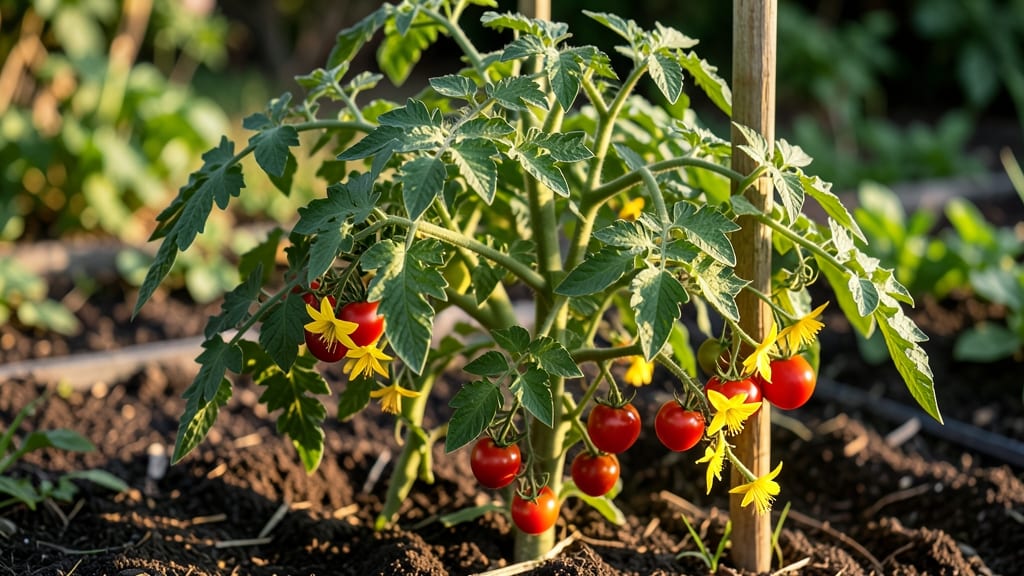
Growing Sweet 100 tomatoes in containers is the secret to reliable, bountiful harvests—even in small spaces. 🌱 I’ve grown them for years, and once you try this determinate variety, you’ll never go back to sprawling vines or inconsistent yields.
The key? Matching their compact growth habit to the right container and care routine.
These tomatoes thrive in 5-gallon pots or larger, with proper soil that drains well but holds moisture. Start seeds indoors 6-8 weeks before last frost, then transplant when nighttime temps stay above 50°F.
They’ll reward you with cherry-sized fruit in just 55-65 days, and the plants stay neat enough for decks, balconies, or even sunny windowsills.
Expect clusters of sweet, juicy tomatoes that ripen all at once—perfect for snacking or sauces. The trick is consistent watering (keep soil moist but not soggy) and a balanced fertilizer every 2-3 weeks.
Prune only to remove suckers, and watch as your container becomes a bursting red treasure chest by midsummer.
Works in any climate zone, though hotter areas benefit from afternoon shade. Even if you’ve struggled with tomatoes before, this variety forgives mistakes—just don’t let them dry out. Ready to grow a foolproof harvest in limited space? Let’s get started.
📚 In This Guide
- What you need
- Instructions
- Tips and common mistakes
- Wrapping up and next steps
What you need
- ● Sweet 100 tomato seeds or seedlings – 1-2 plants per container (determinate variety for compact growth).
- ● Containers – 5-gallon pots or larger (minimum 12" deep and wide) with drainage holes. Pro tip: 💡 Use fabric grow bags for better aeration!
- ● High-quality potting mix – 5-10 lbs (depending on container size). Opt for a well-draining, organic mix (e.g., 60% potting soil + 30% compost + 10% perlite).
- ● Balanced fertilizer – 10-10-10 or 5-10-10 NPK ratio (start with 1 tbsp per plant at planting).
- ● Tomato cages or stakes – 4-6 ft tall (1 per plant to support weight).
- ● Mulch – Straw or shredded leaves (2-3 inches) to retain moisture and suppress weeds.
- ● Garden trowel or hand shovel – For transplanting seedlings.
- ● Watering can or hose with gentle nozzle – Avoid overwatering!
- ○ Pruning shears – For trimming suckers (optional but helpful).
- ● pH test kit – Ensure soil pH is 6.0-6.8 (ideal for tomatoes).
- ○ Epsom salt (optional) – 1 tbsp per plant monthly for magnesium boost.
- ○ Shade cloth (optional) – For hot climates (30-50% coverage).
Step-by-Step instructions for growing Sweet 100 tomatoes in containers
Here's how to coax these prolific determinate beauties into producing buckets of sweet, cherry-sized tomatoes all season long.
🌱 Step 1: Select the Perfect Container Setup
Sweet 100s thrive in 5-gallon containers minimum—their compact roots need room to spread without becoming root-bound. I use fabric grow bags because they breathe better than plastic and prevent that dreaded "pot-bound" stunting. Drill drainage holes if your container lacks them, then line the bottom with 1 inch of gravel to keep roots from circling.
Position your container where it gets 6-8 hours of direct sun daily. South-facing windowsills or balconies work best, but if you're limited to shade, choose a spot with at least 4-6 hours of morning sun. Sweet 100s tolerate partial shade better than most tomatoes, but you'll sacrifice some yield. Rotate the pot a quarter turn weekly so the plant grows straight instead of leaning toward the light.
🌿 Step 2: Plant Transplants at the Right Time
Wait until after your last frost date to plant Sweet 100s, as they're sensitive to cold. I always check my local frost calendar and add 2 weeks extra—these tomatoes grow fast, and a late frost can devastate new leaves. Choose transplants with 4-6 true leaves and sturdy stems. Gently remove the plant from its nursery pot and loosen the roots if they're circling.
Dig a hole twice as wide as the root ball but only as deep as the pot's original soil line. This prevents burying the stem too deep, which causes rot. Fill around the roots with a mix of potting soil and compost (I use a 70/30 ratio). Water deeply right after planting to settle the soil and eliminate air pockets. You'll know it's done right when water runs out the drainage holes.
☀️ Step 3: Feed and Water for Maximum Fruit Production
Sweet 100s are heavy feeders, so I fertilize weekly with a balanced liquid fertilizer (10-10-10 or 5-5-5) diluted to half-strength. Start feeding 2 weeks after transplanting and continue until fruit sets. The key is consistency—don't overdo it, or you'll get leafy growth with few tomatoes. I also side-dress with 1 tablespoon of compost every 4 weeks to keep nutrients flowing.
Water at the base of the plant in the morning, aiming for 1-1.5 gallons per week, depending on heat. Let the top 1-2 inches of soil dry out between waterings—Sweet 100s hate soggy roots but also won't tolerate drought stress. You'll see the classic "wilting in the heat" if they're thirsty, but they bounce back quickly once watered. Mulch with 2 inches of straw to retain moisture and keep soil temps steady.
✂️ Step 4: Prune and Support for Bountiful Harvests
Determinate varieties like Sweet 100s don't need heavy pruning, but I still remove suckers (the small shoots between the main stem and branches) to improve airflow and fruit size. Pinch off suckers when they're 2 inches long—any longer, and they'll compete with your tomatoes for energy. I also trim back lower leaves that touch the soil to prevent disease.
Support your plant with a cage or sturdy stake early on, before it gets top-heavy with fruit. Sweet 100s grow 3-4 feet tall, so choose a cage at least 4 feet tall. If you're using stakes, tie the main stem loosely with soft plant ties every 12 inches. The goal is to guide, not restrict—you want the plant to grow upright but not struggle.
🍅 Step 5: Harvest and Extend the Season
Start harvesting when tomatoes turn a deep red and yield slightly to gentle pressure. I pick every 2-3 days to encourage more production—unpicked fruit slows the plant down. Use pruning shears or scissors to cut stems, leaving a ¼ inch of stem attached. This prevents bruising and keeps the plant healthy longer.
To extend the season, I cover plants with frost cloth when night temps drop below 50°F. Sweet 100s are heat-tolerant but not frost-hardy. You can also bring potted plants indoors to a cool, sunny spot for a few weeks in fall, though yields will taper off. Save seeds from your best tomatoes by scooping out the gel, fermenting it for 3 days**, then rinsing and drying the seeds on paper towels.
Tips & tricks for perfect Sweet 100 tomato container growing
These container-specific secrets will help you maximize your Sweet 100 tomato harvest without the common pitfalls of potted growing.
Container Size Matters: While 5-gallon containers work, I've found that adding 2-3 inches of extra depth to your container (up to 7 gallons) gives roots more room to establish before flowering. This is especially important in hot climates where roots need space to cool down. If using fabric grow bags, choose ones with 12-14 inches of depth—shallow bags restrict root growth and reduce yield by up to 30%. The 6-8 hours of direct sun mentioned in Step 1 becomes even more critical with deeper containers, as roots can't compensate for surface heat.
Soil Temperature Secret: Sweet 100s thrive when soil temps stay between 70-85°F—cooler than most garden tomatoes. In containers, soil heats up faster. To regulate this, I bury a black plastic bottle filled with water (like a 2-liter soda bottle) in the bottom of the container before adding soil. This acts as a heat sink, keeping roots from overheating during those 6-8 hours of direct sun. You'll notice healthier growth and fewer blossom-end rot issues when roots stay in this ideal range.
Fertilizer Timing Tweak: The 2-week wait before starting fertilizer in Step 3 is crucial, but I've learned to adjust timing based on plant color. If your Sweet 100 leaves start looking pale yellow (a sign of nitrogen deficiency) before the 2-week mark, give a very light application (25% of the recommended dose) of your balanced fertilizer. This prevents nutrient shock while still giving the plant a head start. Once you begin the weekly feeding schedule, I recommend alternating between your liquid fertilizer and a fish emulsion every other week for better root development.
Harvesting Hack: When harvesting every 2-3 days as mentioned in Step 5, I've found that picking in the early morning—right after the dew dries but before the sun gets intense—preserves the tomatoes' sweetness longer. The cooler temps prevent sunscald on the fruit, and you'll notice the stems are more pliable for clean cuts. Store harvested tomatoes at room temperature (never in the fridge) to maintain their full flavor—cold temperatures destroy the enzymes that create their signature sweetness.
Pro Tips for Sweet 100 Tomato Growing
- These container-specific secrets will help you maximize your Sweet 100 tomato harvest without the common pitfalls of potted growing.
- Container Size Matters: While 5-gallon containers work, I've found that adding 2-3 inches of extra depth to your container (up to 7 gallons) gives roots more room to establish before flowering.
- Soil Temperature Secret: Sweet 100s thrive when soil temps stay between 70-85°F—cooler than most garden tomatoes.
Frequently asked questions
Got questions about growing Sweet 100 tomatoes in containers? You’re not alone! Here are some of the most common queries—plus straightforward answers to help you cultivate a bountiful harvest.
How long does it take for Sweet 100 tomatoes to produce fruit?
Sweet 100 tomatoes are fast producers! From transplant to first ripe fruit, expect 50–60 days in ideal conditions (warm soil, full sun, and consistent watering). If you start seeds indoors 6–8 weeks before the last frost, you’ll likely enjoy tomatoes by mid-summer.
When is the best time to plant Sweet 100 tomatoes in containers?
Wait until after the last frost (when soil temps hit 60°F+) to transplant seedlings. For container growers, late spring or early summer is perfect—just ensure your pots (minimum 5 gallons) are in a spot with 6+ hours of sunlight daily.
Why are my Sweet 100 tomatoes cracking, even though I water regularly?
Cracking is common in fast-growing varieties like Sweet 100 due to uneven watering or fluctuating soil moisture. Keep soil consistently moist (not soggy) with mulch to retain humidity. Avoid deep watering late in the day—opt for morning sessions to reduce stress.
Can I grow Sweet 100 tomatoes in small pots, or do I need a large container?
Sweet 100s thrive in 5-gallon containers or larger (bigger = more tomatoes!). In smaller pots (1–3 gallons), growth will be stunted, and yields may drop by 50%+. If space is tight, opt for 1 plant per container and prune suckers to encourage bushier growth.
Are Sweet 100 tomatoes self-pollinating, or do I need to help them?
Great news: Sweet 100s are self-pollinating! Light shaking of the plant or a gentle breeze during blooming (morning is best) can boost pollination. If you’re growing indoors or in windless conditions, a soft brush along the flowers mimics nature’s touch.
Wrapping up and next steps
Growing Sweet 100 tomatoes in containers is a rewarding journey that delivers heirloom-quality flavor right to your patio or balcony!
Whether you’re a beginner or a seasoned gardener, this determinate variety thrives with the right care—sunlight, support, and a little patience. 🌱 With these secrets in hand, you’re well on your way to harvesting juicy, sweet tomatoes that’ll make your salads and sandwiches unforgettable.
Ready to dig in? Start by gathering your supplies, then plant those seeds or seedlings and watch your container garden transform! Soon, you’ll be sharing your homegrown bounty with friends—or just enjoying the taste of summer, one delicious bite at a time. Happy growing! 🍅✨