
Vegetables
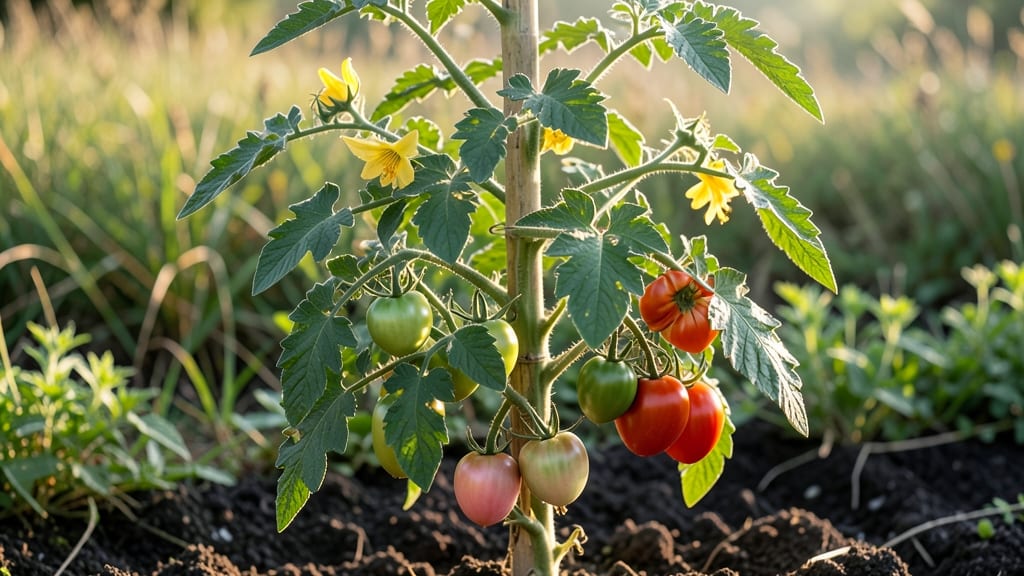
The sweetest tomato varieties taste like summer in every bite—no sugar added. 🌞 After years of growing bland grocery-store tomatoes, I finally discovered heirlooms like 'Sugar Baby' and 'Sun Gold' that make my garden the talk of the neighborhood.
These aren't just tomatoes; they're dessert in fruit form, with flavors that put store-bought to shame.
What makes them so sweet? It's all about the sugar content—some varieties pack 10-12% more natural sugars than average tomatoes. They thrive in full sun (6-8 hours daily) and well-draining soil, but the real secret is consistent watering and a little extra love during fruit set.
Even in smaller spaces, these varieties deliver—whether in containers or raised beds.
Imagine biting into a tomato so sweet it makes you pause mid-bite, or a 'Sweet 100' cluster bursting with flavor that rivals candy. That’s the magic of these heirlooms.
They ripen early, so you’ll be harvesting by mid-summer, and their vibrant colors (from golden yellow to deep red) make them as pretty as they are delicious.
Perfect for home gardeners who want flavor-packed harvests without the fuss. Whether you're a beginner or a seasoned grower, these varieties are your ticket to tomatoes that taste like they belong in a gourmet dish. Let’s get growing!
📚 In This Guide
- What you need
- Instructions
- Tips and common mistakes
- Wrapping up and next steps
What you need
- ● Tomato Seeds or Seedlings: Choose sweet heirloom varieties like 'Sugar Snap,' 'Sweet Million,' or 'Black Krim' (3–5 plants for a small harvest, 10+ for a family-sized yield).
- ● Organic seeds (if preferred) or disease-resistant hybrids for beginners.
- ● Growing Containers or Garden Bed: Containers: 5-gallon pots or larger (1 plant per container). Use fabric pots for better aeration.
- ● Garden Bed: At least 12" deep, with full sun (6–8+ hours daily). Raised beds are ideal for drainage.
- ● High-Quality Soil: 50% potting mix (sterile, well-draining).
- ● 50% compost or aged manure (adds nutrients and sweetness!).
- ○ Optional: 1 cup perlite or vermiculite per 5-gallon container for extra drainage.
- ● Hand Trowel (for transplanting seedlings).
- ● Garden Gloves (to protect from thorns and soil).
- ● Watering Can or Hose with Nozzle (gentle watering prevents soil erosion).
- ● Stakes or Cages (6–8 ft tall for indeterminate varieties like 'Sweet Million').
- ● Pruning Shears (for trimming suckers and dead leaves).
- ○ pH Test Kit (optional but helpful—aim for 6.0–6.8).
- ● Balanced Fertilizer (5-5-5 or organic options like fish emulsion).
- ● Last Frost Date: Wait until soil temps are at least 50°F (10°C) before planting.
- ● Sunlight Access: Confirm your spot gets full sun (no shade!).
- ● Water Source: Consistent moisture is key—drip irrigation or self-watering pots help.
- ● Patience: Sweet tomatoes need 70–90 days to ripen (varies by variety).
How to grow the sweetest tomato varieties for maximum flavor
Here's how I turn sugar-packed heirlooms into garden gold—no shortcuts, just proven techniques.
🌱 Step 1: Select the Sweetest Varieties for Your Climate
Start with varieties bred for sugar content like 'Sugar Baby', 'Black Krim', or 'Cherokee Purple'. Each brings unique flavor profiles: 'Sugar Baby' delivers caramel sweetness, while 'Black Krim' offers smoky depth with a touch of tartness. Check your USDA hardiness zone—some varieties (like 'Brandywine') thrive in zones 4-9, while others ('Sun Gold') prefer zones 7-10.
I always plant at least two varieties for cross-pollination insurance. For example, pair 'Sugar Baby' with 'Cherokee Purple'—their complementary flavors create a balanced harvest. Avoid planting only one variety if you want consistent fruit set; tomatoes are self-pollinating but benefit from genetic diversity.
☀️ Step 2: Provide Full Sun and Warm Soil for Sugar Development
Sweetness peaks when tomatoes ripen in full sun (6-8 hours daily) and warm soil. Plant in a location with southern exposure where soil stays above 60°F—cold roots delay sugar accumulation. I use black plastic mulch to raise soil temperature 5-10°F faster than bare ground, which jumpstarts ripening.
Watch for yellowing leaves on lower stems—this signals overwatering or poor drainage, both of which dilute sugar concentration. Adjust your watering to keep soil consistently moist but never soggy. A soil thermometer helps track temperature; aim for 75-85°F during fruiting for optimal sugar development.
💧 Step 3: Water Deeply and Consistently for Concentrated Flavor
Deep, infrequent watering (every 2-3 days) encourages roots to grow downward, where they access deeper moisture and nutrients. I water at the base in the morning to prevent fungal diseases that thrive in damp foliage. Shallow watering leads to weak roots and diluted flavor—you'll notice a noticeable difference in sweetness when you follow this method.
Use drip irrigation or soaker hoses to deliver water directly to the root zone. Avoid overhead sprinklers, which can cause blossom-end rot (a calcium deficiency that ruins fruit quality). Mulch with straw or grass clippings to retain moisture and regulate soil temperature—this keeps roots happy and sugars building.
✂️ Step 4: Prune Strategically to Boost Sugar Content
Prune suckers (the shoots that grow between the main stem and branches) to redirect energy toward fruit production. I remove all but the first 3-4 suckers per plant, focusing on keeping the main stem strong. This technique increases airflow, reducing disease risk and allowing more sunlight to reach developing fruit—both critical for maximizing sweetness.
Stop pruning when fruit begins to set. Over-pruning late in the season stresses plants and can lead to blossom drop. Watch for small, green fruit forming—this is your cue to switch to maintenance mode. Remove only diseased or yellowing leaves to keep the plant's energy focused on ripening existing tomatoes.
🍅 Step 5: Harvest at Peak Ripeness for Maximum Sweetness
Harvest when tomatoes are fully colored and slightly soft to the touch. 'Sugar Baby' should be deep red, 'Black Krim' nearly black, and 'Cherokee Purple' a rich purple-brown. I use a sharp knife to cut stems cleanly, leaving a small portion attached to the plant to prevent disease entry.
Don't wait for overripe tomatoes—once they're fully colored, sweetness peaks and begins to decline. Store harvested tomatoes at 55-60°F (never in the fridge) to preserve flavor. You'll notice a dramatic difference in taste when you harvest at the perfect moment—juicy, complex, and bursting with natural sugars.
Tips & tricks for growing sugar-rich heirloom tomatoes
These game-changing techniques will help you coax out the maximum sweetness from your heirloom tomatoes—turning good harvests into extraordinary ones.
Variety Pairing Strategy: When selecting your two varieties, consider flavor chemistry beyond just color. Pairing 'Sugar Baby' with 'Brandywine' creates a perfect balance—'Sugar Baby' delivers that caramel punch while 'Brandywine' adds rich, almost meaty depth. I've found this combination particularly effective in zones 5-7 where nights cool down faster. The contrasting textures also make for more interesting culinary applications, from fresh salads to slow-cooked sauces.
Soil Temperature Hack: The 60°F minimum soil temperature mentioned is non-negotiable, but here's how to work with it: Use clear plastic mulch instead of black for early spring planting—it lets light through to warm the soil while retaining moisture. I've seen this raise soil temps by an additional 2-3°F in my zone 6 garden. Once plants are established, switch to black mulch for the sugar-building phase. This two-step approach gives you a jumpstart while still maintaining those critical 75-85°F fruiting temperatures.
Pruning Precision: That 3-4 sucker limit in Step 4 is your sweetness multiplier—here's why it works so well. Each sucker you remove redirects energy from leaf production to fruit development. But here's the secret: leave the first 3-4 suckers on the lower third of the plant only. Higher up, remove all suckers completely. This creates a balanced plant that still gets good airflow while maximizing fruit exposure to sunlight. I learned this the hard way after pruning too aggressively and getting a late-season blossom drop.
Harvest Timing Nuance: The "fully colored and slightly soft" cue in Step 5 is your sweetness window—but there's more to it. For 'Black Krim', that means the deep purple should have a slight sheen, almost like wet velvet. For 'Sugar Baby', the red should be uniform with no green undertones. I've found that harvesting these varieties at this exact stage gives you that perfect balance of sugar and acidity. If you wait for them to soften further, the sugars actually convert to starches, making them less sweet. Trust your fingers—they should yield just slightly when gently squeezed.
Pro Tips for Sweetest Tomato Variety
- These game-changing techniques will help you coax out the maximum sweetness from your heirloom tomatoes—turning good harvests into extraordinary ones.
- Variety Pairing Strategy: When selecting your two varieties, consider flavor chemistry beyond just color.
- I've seen this raise soil temps by an additional 2-3°F in my zone 6 garden.
Frequently asked questions
Got questions about growing or enjoying the sweetest tomato varieties? You’re not alone! Here are answers to the most common queries to help you savor every bite.
Which heirloom tomato is the sweetest?
The Sugar Baby and Sungold tomatoes are legendary for their natural sweetness—often scoring 8+ on the Brix scale (a measure of sugar content). Black Krim and Cherokee Purple also deliver rich, fruity flavors, though with deeper, earthier notes. For a balance of sweetness and versatility, try Brandywine or Sweet 100.
How long does it take for sweet tomato varieties to ripen?
Most heirloom tomatoes take 70–90 days from transplanting to ripen, depending on the variety and climate. Sungold and cherry types mature faster (60–70 days), while beefsteak varieties like Brandywine may take closer to 90 days. Plant early in warm zones or use row covers to extend the season.
Can I grow sweet tomatoes in containers?
Compact varieties like Tiny Tim, Patio Princess, or Sungold thrive in 5-gallon containers. Ensure pots have drainage holes, use a lightweight potting mix, and place them in full sun (6+ hours daily). Dwarf or determinate types are ideal for small spaces—just prune regularly to boost sweetness.
Why are my sweet tomatoes tasting bland?
Bland tomatoes often lack sugar due to overwatering, excess nitrogen fertilizer, or cool temperatures. To fix it:
- Reduce watering slightly (let soil dry between waterings).
- Switch to a balanced fertilizer (like 5-5-5) or add compost.
- Harvest when fully colored (even if slightly underripe) and ripen indoors.
- Try pruning to redirect energy to fruit sweetness.
What’s the best way to use extra-sweet tomatoes?
Leverage their natural sweetness in dishes where acidity or sugar balances flavor:
- Raw: Slice Sungold or Sugar Baby into salads, caprese skewers, or eat straight off the vine!
- Sauces: Blend with basil, garlic, and a splash of balsamic for a jam-like reduction.
- Preserving: Make tomato jam (simmer with sugar and spices) or ferment into sweet pickles.
- Desserts: Roast and puree into tomato sorbet or pair with goat cheese in a tart.
Pro tip: Freeze extra sweet tomatoes whole—they’ll retain flavor for smoothies or cooking later!
Wrapping up and next steps
Discovering the sweetest tomato varieties is like unlocking a treasure trove of flavor for your garden—and your taste buds! 🍅✨ Whether you’re a seasoned gardener or a curious beginner, heirlooms like Sugar Baby, Sun Gold, or Black Krim promise a harvest that’s bursting with natural sweetness.
The key? Patience, the right soil, and a little love (plus maybe a trellis or two!).
Ready to take the next step? Start small—plant a few seeds or seedlings this season and savor the rewards. Share your sweetest finds with friends or experiment with recipes like salsa, bruschetta, or fresh salads. Your garden (and your dinner table) will thank you!