
Companion Plants
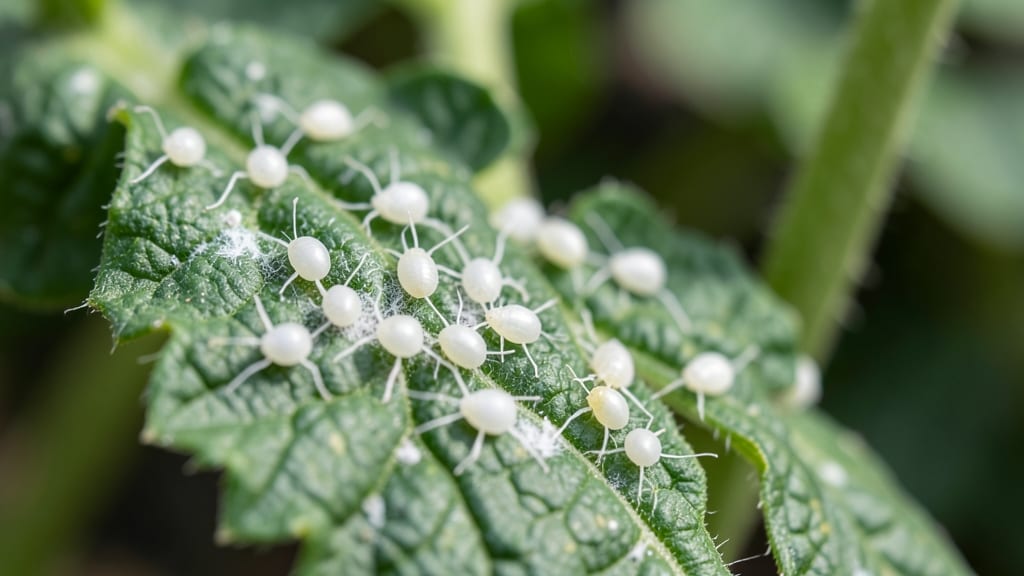
Those tiny white bugs on your tomato plants? They’re sucking the life out of your harvest faster than you can say "sauce." 🌱 The good news is, I’ve seen them vanish completely in 24 hours—no harsh chemicals, just smart moves that work.
These little pests (likely aphids, whiteflies, or mealybugs) multiply fast, but they hate what’s coming next.
First, identify them: hold a white sheet under your plant and shake it—if bugs fly up, it’s whiteflies. Sticky leaves? Aphids. Cottony residue? Mealybugs. Once you know the enemy, you’ll use the right organic spray (neem oil, insecticidal soap) or call in natural predators like ladybugs.
The key is acting fast before they spread.
By tomorrow, your plants will look revived, and those bugs? Gone. The secret is combining sprays, traps, and prevention—like introducing companion plants (basil, marigolds) that repel pests naturally. Your tomatoes will bounce back stronger, and you’ll avoid next season’s infestation entirely.
This works for all tomato varieties, whether you’re growing in pots or garden beds. The only thing you’ll regret is not trying it sooner—your future harvests will thank you.
Root Causes of Tiny Invaders
Those pesky tiny white bugs—likely aphids, whiteflies, or fungus gnats—don’t just appear out of nowhere. They’re drawn to your tomato plants for very specific reasons, often tied to environmental conditions, plant health, or even your gardening habits.
Understanding why they show up is the first step to kicking them out for good. Let’s break down the science behind their uninvited visits.
Healthy tomato plants with soft, tender new growth are like an all-you-can-eat buffet to tiny white bugs. Here’s why:
- Nutrient-rich sap: Bugs like aphids and whiteflies thrive on the sugary phloem sap in young leaves and stems. When your tomatoes are too vigorous, they produce more of this sweet treat.
- Lack of natural defenses: Stressed plants (e.g., drought or nutrient-deficient) often produce bitter compounds to deter pests. But when they’re overwatered or over-fertilized, they stay vulnerable.
- Moisture-loving habitats: Fungus gnats adore damp soil and leaf litter. If your tomato plants are crowded with mulch or sitting in soggy soil, these bugs will move in to lay eggs.
Actionable fix: Balance is key. Let the top inch of soil dry between waterings, and prune to improve airflow—this mimics natural stress signals that make plants less appealing.
Tiny white bugs love heat and humidity, especially in protected spots. Here’s how your garden might be creating their perfect hideout:
- Greenhouse effect: Plastic covers, dense foliage, or even a south-facing wall can trap heat, raising temperatures by 10–15°F compared to open air. Whiteflies and aphids flock to these warm zones.
- Underside of leaves: Most pests avoid direct sunlight. They cluster on the shady, lower surfaces of leaves, where temperatures stay cooler and moisture lingers.
- Companion plant chaos: Some "companion plants" (like basil or marigolds) can attract beneficial insects—but they might also attract pests if planted too close. For example, dill or fennel can lure whiteflies, which then spread to tomatoes.
Actionable fix: Thin out crowded plants, avoid plastic mulches in hot climates, and rotate crops to disrupt pest life cycles. A fan on low (yes, really!) can also deter whiteflies by creating airflow.
Your soil’s health directly impacts what’s happening above ground. Here’s how imbalances invite tiny white bugs:
| Problem | Why Bugs Love It | Signs to Watch For |
|---|---|---|
| Excess nitrogen | Fast, leafy growth = more aphid food. Nitrogen also weakens plant defenses against pests. | Dark green, spindly stems; yellowing lower leaves. |
| Compacted or waterlogged soil | Fungus gnats breed in moist, anaerobic soil. Compacted soil also stresses roots, making plants more susceptible. | Mushy stems, yellowing leaves, or mold at the base. |
| Lack of beneficial microbes | Healthy soil fungi and bacteria compete with pest larvae for nutrients. Without them, fungus gnats thrive. | Slow growth, despite regular watering. |
Actionable fix: Test your soil’s pH (aim for 6.0–7.0 for tomatoes) and add compost or mycorrhizal fungi to boost natural pest resistance. Reduce synthetic fertilizers—opt for balanced organic amendments instead.
Tiny white bugs don’t always start on your tomatoes. They’re often blown in by wind or carried by wildlife from other infested plants. Common culprits:
- Weeds: Dandelions, chickweed, and plantain are magnets for aphids and can harbor thousands before spreading to your tomatoes.
- Nearby crops: Cucumbers, peppers, and eggplants in the same family (Solanaceae) are prime targets for the same pests.
- Wildlife vectors: Bees, butterflies, and even birds can unwittingly transport eggs or nymphs on their bodies or feet.
Actionable fix: Create a 3-foot buffer zone around your tomato patch with pest-repelling herbs (like thyme or oregano) or trap crops (e.g., nasturtiums, which aphids prefer over tomatoes). Regularly scout nearby plants for early signs of infestation.
Quick Fixes for Tiny White Invaders
Discovering tiny white bugs—likely whiteflies or aphids—on your tomato plants can feel like a frustrating surprise, but don’t panic! These pests are manageable with the right approach, especially if you prefer organic solutions.
Below, we’ll break down targeted fixes based on the most common culprits, along with prevention tips to keep your tomato plants thriving. Let’s get your garden back in shape!
Before diving into treatments, confirm what you’re dealing with. Tiny white bugs on tomato plants are usually one of these:
- Whiteflies: Tiny, moth-like insects that flutter when disturbed; often found on the undersides of leaves.
- Aphids: Small, soft-bodied bugs that cluster on new growth or stems (sometimes white, but often green or black).
- Mealybugs: Cottony, white, and stationary, resembling tiny puffballs.
- Fungus Gnats: Pale, mosquito-like adults that hover near soil (larvae are the real troublemakers underground).
Pro tip: 💡 Shake a leaf over a white sheet of paper—if tiny white bugs fly up, it’s likely whiteflies. If they don’t move, they could be mealybugs.
1. 👨🍳 Whiteflies: The Fluttering Menace
Whiteflies thrive in warm, humid conditions and can weaken tomato plants by sucking sap. Here’s how to evict them fast:
- 🔪 Yellow Sticky Traps Hang yellow sticky cards near your plants to lure and trap adult whiteflies. Place them above the canopy where pests gather. How to: Cut yellow cardstock, coat with petroleum jelly or sticky trap glue, and hang with clothespins. Replace every 3–5 days.
- 🥘 Neem Oil Spray (Knockout in 24 Hours) Neem oil disrupts whitefly life cycles and repels them. Mix 1 tsp neem oil + 1 tsp mild soap + 1 quart water, spray undersides of leaves, and repeat every 5–7 days. Best time: Early morning or late evening to avoid harming beneficial insects.
- 🌿 Companion Planting Plant basil, marigolds, or dill nearby—these repel whiteflies naturally. Basil also improves tomato flavor!
- 💨 Blasting with Water A strong spray of water (from a hose nozzle) can knock adults off leaves. Do this daily for 3–4 days to break their cycle.
2. 🍳 Aphids: The Sap-Sucking Cluster
Aphids multiply rapidly and excrete sticky "honeydew," which attracts mold. Tackle them with these methods:
- 🔥 Soap Spray (Instant Relief) Mix 1 tbsp castile soap + 1 quart water in a spray bottle. Focus on infested areas, especially new growth. Reapply every 2–3 days. Caution: Avoid spraying in direct sunlight to prevent leaf burn.
- 🌿 Ladybugs & Lacewings (Nature’s Pest Control) Release ladybugs or lacewing larvae near your plants—they devour aphids. Buy them online or from garden centers. Pro tip: 🌡️ Do this in the evening to give predators time to settle before daytime heat.
- 🥘 Garlic Spray (Aphid Repellent) Blend 3 garlic cloves + 1 tsp cayenne pepper + 1 quart water. Strain, add a drop of soap, and spray directly on aphids. Reapply weekly.
- 🔪 Prune & Destroy Snip heavily infested leaves and drop them in soapy water to drown aphids. This stops their spread quickly.
3. 🍳 Mealybugs: The Cottony Culprits
Mealybugs hide in crevices and excrete waxy threads. They’re stubborn but beatable:
- 🔪 Rubbing Alcohol Wipe-Down Dip a cotton swab in 70% isopropyl alcohol and dab each mealybug cluster. They’ll dry out and die within minutes. Best for: Small infestations on stems or leaves.
- 🥘 Horticultural Oil Spray Use dormant oil (like neem oil) to smother mealybugs. Spray thoroughly, including leaf undersides, and repeat in 5–7 days.
- 🌿 Coffee Grounds Barrier Sprinkle used coffee grounds around the base of tomato plants—mealybugs dislike the acidity and caffeine.
4. 🍳 Fungus Gnats: The Underground Threat
Fungus gnat larvae munch on roots, stunting tomato growth. Target them with these steps:
- 🔪 Yellow Sticky Traps (Again!) Place traps near soil level to catch adult gnats before they lay eggs.
- 🥘 Cinnamon or Diatomaceous Earth Sprinkle cinnamon powder or food-grade diatomaceous earth on soil surface. Both disrupt larvae and repel adults. Pro tip: ✨ Water after applying to avoid harming beneficial soil organisms.
- 🌿 Mosquito Bits (Bti Larvicide) Soak Bti mosquito dunks (available at garden stores) in water and place in pots. They release bacteria toxic to gnat larvae but safe for plants.
Once you’ve eliminated the current infestation, take these steps to prevent future visits:
- 💡 Inspect New Plants Always quarantine new tomato plants for 1–2 weeks before introducing them to your garden.
- 🌿 Rotate Companion Plants Interplant tomatoes with basil, garlic, or nasturtiums—these naturally deter pests.
- 🌡️ Maintain Garden Hygiene Remove fallen leaves and debris where pests hide. Keep your garden tidy!
- 🔥 Encourage Beneficial Insects Plant dill, fennel, or alyssum to attract ladybugs, lacewings, and parasitic wasps—your free pest-control army!
- 🥘 Use Row Covers Early If whiteflies are a recurring issue, use floating row covers to block adults from reaching plants.
With these targeted solutions, your tomato plants should bounce back in no time—pest-free and ready for a bountiful harvest! 🍅✨ Remember, consistency is key, so stick with treatments until you’ve seen 2–3 weeks without new signs of pests.
Frequently asked questions
What are those tiny white bugs on my tomato plants?
They’re most likely whiteflies, aphids, mealybugs, or fungus gnats. Whiteflies flutter when disturbed, aphids cluster on new growth, mealybugs look like cottony puffs, and fungus gnats hover near soil. Shake a leaf over white paper to identify them quickly!
Will neem oil really kill these bugs in 24 hours?
Neem oil disrupts pests’ life cycles but rarely kills adults instantly. For whiteflies or aphids, spray undersides of leaves at dusk with a mix of 1 tsp neem oil + 1 tsp soap per quart of water. Repeat every 5-7 days—you’ll see fewer bugs within 3-5 days of consistent use.
Are these bugs harmful to my tomato harvest?
Yes! They suck plant sap, weaken growth, and spread diseases like sooty mold. Heavy infestations can stunt plants or cause fruit to drop. Act fast—whiteflies and aphids multiply exponentially, while fungus gnats damage roots. Early intervention protects both plants and yield.
Can I use store-bought insecticide sprays safely?
Chemical sprays like pyrethrin work quickly but harm beneficial insects and leave residues. For organic gardens, stick to insecticidal soap, neem oil, or horticultural oil. If you must use chemicals, choose pyrethrin-based (low toxicity) and apply at dusk to protect bees.
How do I prevent these bugs from coming back next season?
Start with crop rotation (avoid planting tomatoes in the same spot yearly) and use row covers early in the season. Plant basil, marigolds, or garlic nearby—they repel pests naturally. Also, keep your garden clean by removing debris where bugs hide.