
Vegetables
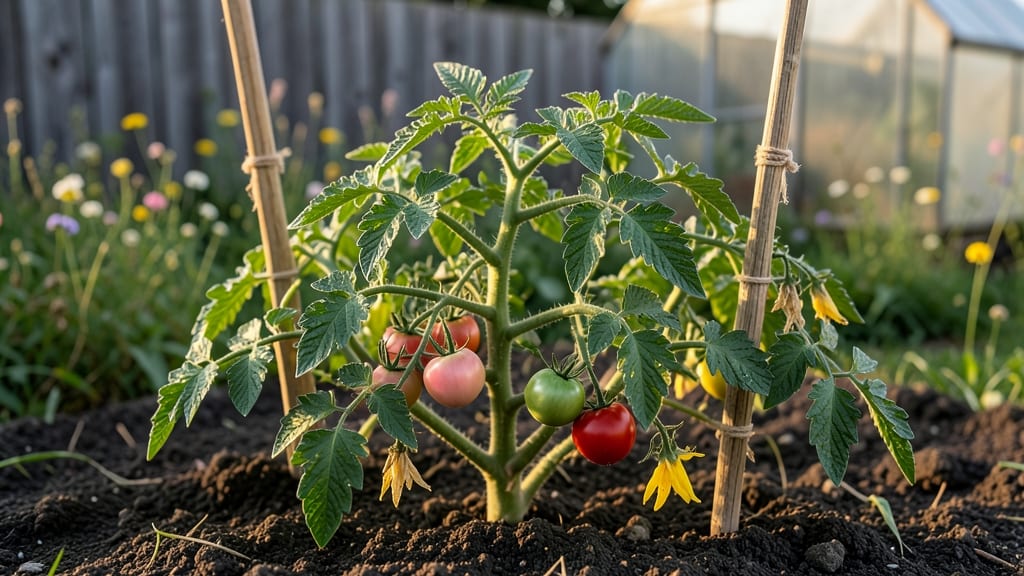
Your tomato plants enter the breaker stage when the first flower clusters start ripening into tiny tomatoes 🍅—this is the moment they shift from leaf production to fruit development.
Picture this: you’ve pruned and fertilized all season, but if you time your next trim wrong here, you could end up with smaller harvests or even stressed plants. The breaker stage is where careful pruning makes the difference between a handful of tomatoes and a bountiful yield.
In this guide, I’ll walk you through how to spot the breaker stage (those telltale color shifts and flower clusters), the best pruning techniques for indeterminate vs. determinate varieties, and how to avoid common mistakes that sabotage fruit set.
Whether you’re a first-time gardener or a seasoned grower, mastering this phase ensures your tomatoes reach their full potential—so let’s get started.
What is the tomato breaker stage and how to identify it
The tomato breaker stage marks the pivotal moment when your plants transition from vigorous leaf growth to fruit development. This is when the first flower clusters begin ripening, signaling that your tomatoes are nearing maturity.
Understanding this stage helps you time pruning, fertilization, and support for maximum yield. For me, recognizing the breaker stage means the difference between small, stressed tomatoes and a bountiful harvest.
Physiologically, your tomato plant shifts its energy from producing leaves to developing fruit. The plant's hormonal balance changes, with auxin (a growth hormone) redirecting from stems to fruit. This shift is visible as the first flower clusters start ripening, while new leaves grow more slowly.
This stage typically occurs 4-6 weeks after flowering, depending on variety and growing conditions.
Identifying the breaker stage requires observing three key visual cues: the color shift in the first flower clusters, the size of developing fruit, and the overall plant structure.
The first clusters will show early signs of ripening, like a slight color change from green to the variety's mature hue. Meanwhile, new growth slows as the plant focuses on fruit development.
| Stage Indicator | What to Look For | Action to Take |
|---|---|---|
| First Flower Cluster Ripening | Color shifts from green to pink, yellow, or red (depending on variety) | Monitor for full sun exposure and consistent watering |
| Fruit Size | Tomatoes reach 1-2 inches in diameter, starting to soften slightly | Begin light pruning to improve airflow and reduce disease risk |
| New Growth Slowdown | Leaves grow slower, stems thicken near fruit clusters | Adjust fertilizer to low-nitrogen to support fruit, not leaves |
| Sucker Development | Small shoots (suckers) appear in leaf axils | Remove aggressive suckers to direct energy to fruit |
| Plant Height | Indeterminate varieties reach 3-5 feet tall with heavy fruit load | Install stakes or cages if not already in place |
The most reliable way to confirm the breaker stage is to check the first flower cluster that bloomed. Look for the earliest signs of color change—even a faint blush indicates the breaker stage has begun.
For example, a Cherry tomato might show tiny red specks, while a Beefsteak variety could develop a pale pink tint. This cluster will set the pace for the rest of your harvest.
Timing is everything during this stage. If you prune too early, your plant may struggle to support fruit. If you wait too late, overloaded branches can snap under the weight.
My rule of thumb? Start pruning when 20-30% of the first cluster shows color. This gives your plant enough energy to ripen existing fruit while preparing for new blooms.
For indeterminate varieties (like 'Sungold' or 'Brandywine'), the breaker stage triggers a growth surge in both height and fruit production. You'll see rapid elongation of the main stem and the emergence of new flower clusters every 1-2 weeks.
These varieties need regular pruning to maintain balance, as they can grow 6-10 feet tall if unchecked.
Determinate varieties (like 'Roma' or 'Celebrity') behave differently—they produce fruit in one massive cluster before slowing growth. In this case, the breaker stage is shorter but more intense.
You'll notice the entire plant bending under the weight of developing tomatoes. Here, focus on support structures like cages or stakes to prevent breakage.
Don't ignore the leaves during this stage. Healthy leaves are essential for photosynthesis, which fuels fruit development. If you see yellowing leaves or curling edges, it could signal nutrient deficiency or pest stress.
A quick soil test or foliar spray of fish emulsion can often revive struggling plants and ensure they reach full potential.
Pro tip: Keep a gardening journal to track your plant's progress. Note the date when you first spot color changes, how long it took for fruit to develop, and any adjustments you made.
Over time, you'll refine your timing for pruning, fertilizing, and harvesting, leading to more predictable and abundant yields.
As you watch your tomatoes transition from tiny green nubs to ripe, flavorful fruit, remember that patience is key. The breaker stage is just the beginning—what happens next determines the size, flavor, and quantity of your harvest.
With the right care, your plants will reward you with tomatoes so sweet and juicy they'll taste like summer in every bite. 🌱🍅
Optimal pruning techniques during the tomato breaker stage
The tomato breaker stage marks the transition from vegetative growth to fruit production, where your plant’s energy shifts from leaves to tomato development. This is the perfect time to refine your pruning strategy—but one wrong move can stress your plant or reduce yields.
Indeterminate varieties (like Sungold or Brandywine) need aggressive pruning, while determinate types (such as Roma or Celebrity) require minimal trimming. Let’s break down the exact techniques for each.
Start by identifying suckers—those small shoots growing between the main stem and branches. These compete for nutrients, so removing them early boosts fruit size. For indeterminate tomatoes, pinch off suckers larger than 1 inch using your thumb and forefinger or clean pruners.
For determinate varieties, leave suckers intact to support compact growth and heavier fruit loads. The key is balance: too much pruning stresses the plant, while too little limits airflow and increases disease risk.
⚠️ WARNING: Over-Pruning Risks
- Removing too many leaves reduces photosynthesis, starving developing tomatoes of energy. Aim to leave 3-4 leaves below each fruit cluster.
- Pruning in hot afternoons increases stress and disease entry points. Always trim in morning or evening.
- Ignoring yellowing leaves—these signal nutrient deficiencies or pests. Prune only diseased or dead foliage, not healthy leaves.
Pro tip: Sterilize pruners with rubbing alcohol between cuts to prevent bacterial wilt or early blight.
For indeterminate tomatoes, focus on creating an open canopy to maximize sunlight penetration. Remove suckers weekly and trim back lower leaves touching the soil to prevent soil-borne diseases.
Leave 6-8 main stems for large varieties like Beefsteak, but limit to 3-4 stems for smaller types like Cherry tomatoes. This structure ensures even ripening and larger fruit sizes.
Determinate tomatoes, like Roma or Patio varieties, produce fruit in a single cluster before stopping growth. Here, pruning is minimal—just remove dead or diseased leaves and suckers larger than 2 inches.
Avoid heavy trimming, as these plants rely on their compact structure to support fruit weight. Instead, focus on staking or caging to prevent sprawl and breakage.
Balance is critical during the breaker stage. If your plant has too many tomatoes (more than it can support), remove the smallest or least mature fruit to redirect energy to remaining tomatoes.
This prevents blossom-end rot and ensures larger, healthier harvests. Monitor your plant’s response: if leaves yellow or growth slows, you’ve pruned too aggressively. Adjust by leaving more foliage for photosynthesis.
Finally, prioritize airflow and sunlight in your pruning routine. Thin out crowded branches to reduce humidity and fungal risks. In containers, prune more aggressively due to limited space, but ensure the plant retains enough leaves to feed its fruit.
With the right approach, your tomatoes will thrive during this critical stage, delivering a bountiful harvest of juicy, flavorful fruit.