
Blooming
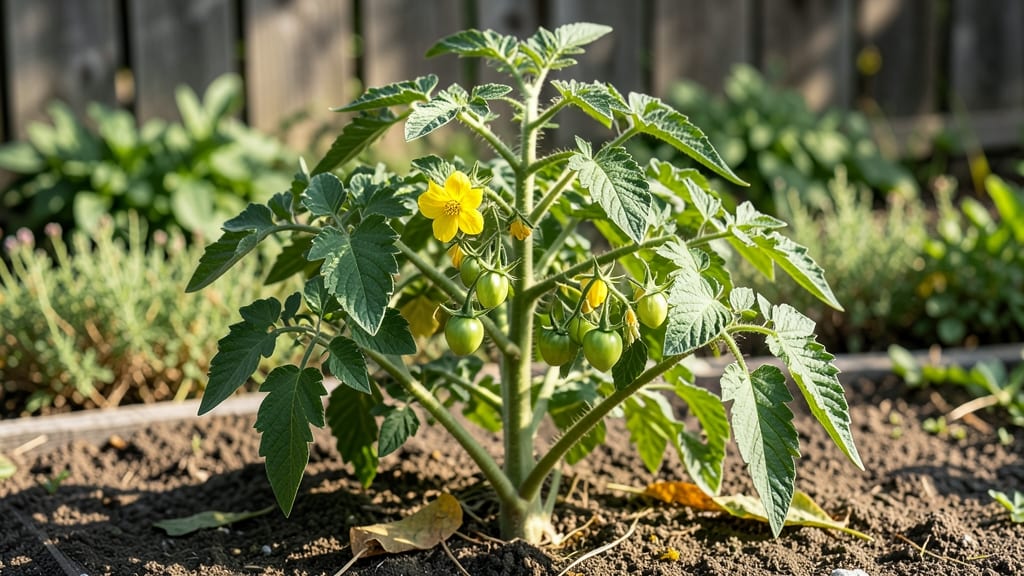
Understanding tomato flower stages transforms your harvest from "meh" to "mind-blowing." 🌱 From the first tiny bud to a ripe tomato, each phase has specific needs—temperature, light, even wind—that determine whether you end up with fruit or just pretty blooms.
I’ve watched my plants go from hopeful buds to blighted blossoms, and I know the difference comes down to these seven key stages and what they really need to succeed.
The journey starts with tiny green buds that look like miniature pinecones, then progresses through white or yellow flowers that open wide in the morning.
Pollination happens next—either by bees or a gentle breeze—and that’s when you’ll see the first tiny fruit set (the size of a marble) or, if something goes wrong, dropped blossoms that leave you scratching your head. Each stage has its own red flags: buds that refuse to open?
Flowers that wilt before setting fruit? Those clues tell you exactly what’s missing.
By the time you reach fruit development (the stage where tomatoes start growing), you’ll notice how the plant shifts its energy from blooms to feeding those little green orbs.
The final stages—ripening and harvest—are where patience pays off, but even here, temperature swings or pests can still throw a wrench in your plans. The good news? Knowing these stages lets you troubleshoot on the spot and save your harvest before it’s too late.
Whether you’re dealing with a greenhouse full of tomatoes or just a few plants on your patio, these stages are your roadmap to bigger, healthier fruit and fewer wasted blooms. Let’s break down what happens at each step—and how to make sure your plants don’t skip a beat.
📚 In This Guide
- What you need
- Instructions
- Tips and common mistakes
- Wrapping up and next steps
What you need
- ● Tomato plants: Healthy, disease-free plants (1–5, depending on your setup). Choose varieties like Cherry, Beefsteak, or Roma for diverse flower structures.
- ● Garden journal/notebook: 1 (for logging observations, dates, and notes on each flower stage).
- ● Magnifying glass or loupe: 1 (5x–10x magnification) to inspect flower details up close.
- ● Digital camera or smartphone: 1 (with a macro mode or lens attachment for high-resolution photos).
- ● Ruler or measuring tape: 1 (6–12 inches) to track flower and bud sizes.
- ● Pruning shears: 1 pair (sterilized with rubbing alcohol) for trimming excess foliage or spent blooms.
- ● Garden gloves: 1 pair (nitrile or cotton) to protect hands from thorns and dirt.
- ● Plant labels: 5–10 (waterproof markers + stakes or tags) to label each tomato variety or plant.
- ● Growth chart or diagram: Printed or digital (e.g., a tomato flower anatomy guide) to compare your observations.
- ● Hand lens with built-in LED light: 1 (for evening or low-light inspections).
- ● Pollination tool: A soft paintbrush or cotton swab (to assist in hand-pollination if needed).
- ● Garden twine or stakes: For supporting vines and ensuring flowers/buds are accessible.
- ● Weather-resistant pen: 1 (for outdoor journaling in rain or sun).
How to identify and support each tomato flower stage
Here's how I track tomato flower development—because knowing each stage helps you pollinate, prune, and harvest like a pro.
🌱 Step 1: Recognize Flower Buds (Pre-Bloom)
Look for tiny, fuzzy green bumps at the leaf axils where stems meet leaves. These are your flower buds, and they need consistent warmth (65-85°F) to develop properly. I pinch off the first few buds if my plant looks stressed—it's better to focus energy on stronger growth first.
Gently examine the plant daily after buds appear. Healthy buds will firm up over 3-5 days before blooming. If buds stay soft or turn brown, your plant may need more phosphorus-rich fertilizer or better air circulation.
☀️ Step 2: Watch for Blooming (Open Flowers)
When buds unfurl into yellow or white blossoms, that's your signal to support pollination. If you're growing indoors or in cool weather, give flowers a light shake each morning to mimic wind pollination. I also place a small fan nearby on low setting—this moves pollen without damaging delicate petals.
Open flowers last 3-5 days before wilting. Watch for pests like aphids during this stage—they love fresh blooms. Remove any flowers that drop without forming fruit, as this redirects energy to fruit development.
🌿 Step 3: Identify Pollinated Flowers (Green Fruit Sets)
After pollination, petals fall and tiny green tomatoes (called "tomato buttons") form. These are your first sign of success! I mark the date on each stem to track ripening times. If fruit sets stay small or drop off, your plant may need more calcium (use crushed eggshells) or better light.
This is also when I start pruning suckers (side shoots) below the first flower cluster. Pruning now prevents overcrowding and helps energy focus on fruit development. Watch for first true fruit growth within 10-14 days.
⏰ Step 4: Monitor Fruit Development (Green to Breaker Stage)
The breaker stage is when tomatoes first show color—this happens 30-45 days after pollination. I check fruit daily for signs of cracking (a sign of inconsistent watering) or blossom end rot (brown bottoms). At this point, I reduce nitrogen fertilizer to boost sugar development.
Support tomato plants with cages or stakes now—they'll need stability as fruit grows heavier. If you're growing determinate varieties, you'll see full clusters of colored fruit within 2-3 weeks of breaker stage.
🍅 Step 5: Track Ripening (Color Change to Full Maturity)
Ripening speed depends on variety and weather—some tomatoes color up in 7-10 days, while heirlooms may take 2-3 weeks. I harvest when fruit reaches full color and yields slightly to gentle pressure. Never wait for overripe fruit on the vine—it attracts pests and rots quickly.
After harvest, I remove all remaining flower clusters to redirect the plant's energy. This prevents late-season fruit from forming, which can stress the plant before winter. Watch for new flower buds—if they appear after first frost, pinch them off immediately.
🌱 Step 6: Prepare for Next Season (Post-Harvest Care)
Once all fruit is harvested, cut back the plant to 6 inches tall and compost the healthy stems (diseased plants should be burned or landfilled). I mark the planting spot to rotate crops next year—tomatoes need fresh soil to prevent disease buildup.
Save seeds from your best tomatoes by fermenting the pulp in a jar for 3-5 days, then rinsing and drying. Label each variety clearly—next season's garden starts with your saved seeds!
Tips & tricks for perfect tomato flower development
Real talk: Understanding these stages transforms your tomato harvest from "hopeful" to "bountiful." Here's what nobody tells you about nurturing each phase.
Temperature Matters: The 65-85°F range is your sweet spot for flower bud development. I've learned the hard way that cooler mornings (below 60°F) can stall bud formation—consider using row covers if your climate dips. Watch for buds that stay soft or turn brown; this usually means your plant needs better air circulation or a phosphorus boost from fertilizer.
Pollination Hack: When flowers open (Step 2), I use a small paintbrush to gently transfer pollen between blossoms—this works better than shaking for delicate indoor plants. For outdoor plants, a 120-second morning shake with a stick does the trick. The key is consistency: do this for all open flowers daily until petals fall.
Fruit Set Troubleshooting: If your tomato buttons stay tiny or drop off after 10-14 days (Step 3), check your calcium levels first. I crush eggshells into powder and sprinkle around the base weekly—this prevents blossom end rot before it starts. Also verify your plant isn't overcrowded; proper spacing improves fruit set rates by up to 30%.
Ripening Strategy: For heirloom varieties that take 2-3 weeks to ripen (Step 5), I harvest at the breaker stage and finish ripening indoors. Place tomatoes on a sunny windowsill with a paper towel underneath to catch the sugar-rich juices—they'll ripen faster and taste sweeter. Never store unripe tomatoes in the fridge until fully colored.
Pro Tips for Tomato Flower Stages
- Real talk: Understanding these stages transforms your tomato harvest from "hopeful" to "bountiful."
- Temperature Matters: The 65-85°F range is your sweet spot for flower bud development.
- Pollination Hack: When flowers open (Step 2), I use a small paintbrush to gently transfer pollen between blossoms—this works better than shaking for delicate indoor plants.
Frequently asked questions
Got questions about tomato flower stages? You’re not alone! Here are some of the most common queries gardeners have—and the answers you need to keep your plants thriving.
How long does it take for tomato flowers to turn into fruit?
After pollination, tomato flowers typically take 7–14 days to develop into small green fruits (called "tomato buttons"). Warm temperatures (70–85°F) and consistent watering speed up the process. If fruits aren’t forming, check for pollination issues or environmental stressors like extreme heat or cold.
Why are my tomato flowers falling off before fruiting?
This is called flower drop, and it’s often caused by stress—like inconsistent watering, temperature swings, or over-fertilizing with nitrogen. Tomato plants also drop flowers when they’re not getting enough sunlight or if they’re overcrowded. Try hand-pollinating flowers (gently shake the plant) and ensure they get 6–8 hours of sun daily.
Can I force tomato flowers to pollinate if there are no bees?
Use a small paintbrush or a cotton swab to transfer pollen from the flower’s anthers (the yellow dusty bits) to the stigma (the center bump). Do this on dry, sunny mornings for best results. Alternatively, gently shake the plant to help pollen disperse naturally.
What’s the difference between male and female tomato flowers?
Female flowers have a tiny fruit bud (ovary) at their base, while male flowers don’t. Most tomato varieties produce both, but determinate types (like ‘Roma’) may have more female flowers earlier in the season. If you’re growing for fruit, focus on preserving female blooms—though male flowers help with pollination!
Will my tomato flowers survive a sudden cold snap?
Tomato flowers are frost-sensitive and can die if temperatures drop below 50°F (10°C). If frost is forecast, cover plants with frost cloth or row covers at dusk. Remove covers in the morning to avoid overheating. Young plants are especially vulnerable—consider starting them indoors if your growing season is short.
Can I prune tomato flowers to boost fruit production?
Pruning only the suckers (side shoots) is safe, but removing flowers or fruit can stress the plant. However, if your plant is overloaded, you can thin fruits to 6 inches apart to improve size and quality. Focus on keeping 6–8 main stems for indeterminate varieties to balance growth and fruiting.
Wrapping up and next steps
Understanding the tomato flower stages—from bud to fruit—is your secret weapon for a bountiful harvest! 🌱 Whether you’re a seasoned gardener or just starting, recognizing each phase helps you nurture your plants with confidence.
Now that you’re equipped with the know-how, grab those pruners, keep an eye on those blossoms, and get ready to enjoy homegrown tomatoes that rival the grocery store!
Ready to take it further? Experiment with pollination tricks, try different tomato varieties, or even share your progress with fellow gardeners. Your green thumb is growing—keep it up! 🌿