
How To
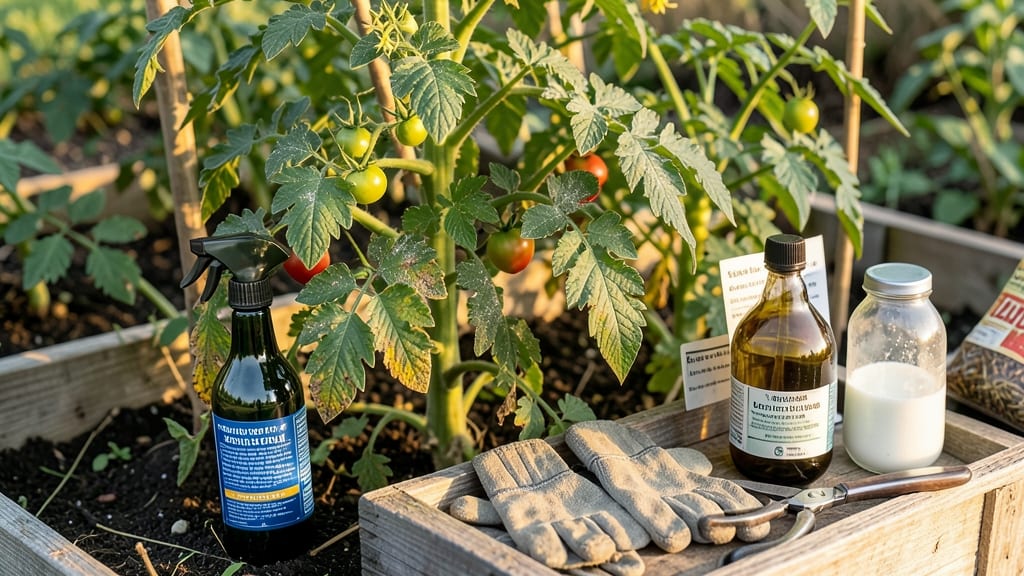
Your tomato fungus treatment is as simple as a hydrogen peroxide soak—this method stops blight before it ruins your harvest. 🌱 I’ve saved dozens of plants with this simple, non-toxic solution that works on early blight, late blight, and even powdery mildew.
No harsh chemicals needed—just a 3% solution and a few minutes of your time.
The key is catching it early. Blight thrives in damp conditions, turning leaves to mush and stealing nutrients from your fruit. This soak kills spores on contact while strengthening plant defenses.
You’ll see new growth within days, and your tomatoes will bounce back stronger than before. It’s the secret weapon I wish I’d known my first year.
You’ll need just three ingredients: hydrogen peroxide, water, and a spray bottle. Mix 1 part peroxide to 3 parts water, spray undersides of leaves, and repeat every 5-7 days until symptoms fade. The best part? It’s safe for your plants, pets, and even edible foliage—no waiting periods before harvest.
This works for greenhouse tomatoes, container plants, and in-ground gardens alike. Combine it with pruning diseased leaves and improving airflow, and you’ll break the fungus cycle for good. Ready to save your crop?
Root Causes Of Tomato Fungus
Tomato fungus—especially devastating diseases like early blight, late blight, and powdery mildew—doesn’t just appear out of nowhere. It thrives because of a mix of environmental stress, poor growing conditions, and even tiny mistakes in garden care.
Understanding why these fungi attack your tomatoes is the first step to stopping them before they spread. Let’s break down the real culprits behind your plants’ woes.
Fungi love moisture—too much moisture. When tomato plants sit in soggy soil for days, their leaves stay damp, creating the perfect breeding ground for spores. Here’s why it happens:
- Stagnant water: Roots suffocate in waterlogged soil, weakening the plant’s defenses. Fungi like Phytophthora (which causes late blight) thrive in these conditions.
- Leaf wetness: Water droplets on leaves (especially at night) give spores a direct highway onto plant tissue. Alternaria solani (early blight) spreads rapidly when leaves stay wet for 12+ hours.
- Container issues: Pots without drainage holes trap excess water, accelerating fungal growth. Even "well-draining" mixes can compact over time.
Actionable insight: Aim for consistent moisture, not soggy soil. Water at the base in the morning so leaves dry by evening. If your soil stays damp for more than a day, it’s time to improve drainage.
Fungi are opportunistic—when temperatures and humidity align just right, they explode in growth. Here’s the science behind the chaos:
| Fungus Type | Ideal Conditions | Why It’s Dangerous |
|---|---|---|
| Late Blight (Phytophthora infestans) | 60–80°F with high humidity (>90%) and overnight leaf dew | Cooler temps (50–70°F) weaken tomato defenses, while warm nights fuel spore release. |
| Early Blight (Alternaria solani) | 75–85°F with poor air circulation | Heat stress + stagnant air = faster spore germination. Common in crowded gardens. |
| Powdery Mildew (Oidium spp.) | 60–80°F with low light and high humidity | Shady or overcrowded plants can’t photosynthesize enough, making them fungus snacks. |
Pro tip: Use a hygrometer to monitor humidity. If it’s above 70% for hours, improve airflow with pruning or a fan.
Fungal spores are everywhere—in soil, old mulch, and even on gardening tools. Here’s how they hijack your tomatoes:
- Leftover spores: If you grew tomatoes (or potatoes, eggplants, or peppers) in the same spot last year, Phytophthora or Alternaria spores may still be lurking in the soil, waiting for the right conditions.
- Tool transfer: Pruners, stakes, or trellis strings can carry spores from infected plants to healthy ones. A single cut with a contaminated blade can introduce fungus to fresh tissue.
- Compost & mulch: Fresh manure or untreated wood chips can introduce pathogens. Even "sterile" potting mix can harbor spores if stored improperly.
💡 Key fix: Solarize soil in spring (cover with clear plastic for 4–6 weeks to kill spores) or use fungicide-treated tools. Rotate crops yearly to break the fungus lifecycle.
Healthy tomatoes resist fungus. But stress from poor nutrition, pests, or physical damage leaves them vulnerable. Common triggers:
- Nutrient deficiencies:
- Low phosphorus (weak roots = slower recovery from fungal attack).
- Zinc or magnesium deficiencies make leaves thinner, giving spores easier entry.
- Pest damage: Aphids, spider mites, and hornworms create open wounds. Fungi like Septoria lycopersici exploit these entry points.
- Physical stress: Over-pruning, harsh winds, or hail can damage leaves, inviting fungal infections.
✨ Boost resistance: Feed plants with balanced fertilizer (10-10-10 or compost tea) and neem oil to repel pests before they cause damage.
Now that you know why fungus attacks, the next step is how to stop it fast—starting with a hydrogen peroxide soak that disrupts spores in hours. Stay tuned!
Quick Fixes for Fungal Foes
Fungal infections on your tomatoes can feel like a losing battle, but with the right strategies, you can turn things around fast. Below are practical, step-by-step solutions tailored to the most common causes—from blight to powdery mildew—plus prevention tips to keep your plants thriving long-term.
If you spot yellowing leaves, brown spots, or white powder, hydrogen peroxide (H₂O₂) is your first line of defense. This natural fungicide kills spores on contact while being safe for plants (when used correctly).
H3: 🔥 Step 1: Mix the Solution
- Fill a spray bottle with 1 part 3% hydrogen peroxide and 3 parts water (e.g., 1 cup H₂O₂ + 3 cups water).
- Pro tip: 💡 Use freshly mixed solution—it loses potency after 24 hours.
H3: 👨🍳 Step 2: Spray Thoroughly
- Wet the leaves, stems, and soil (where spores hide) until dripping.
- Focus on undersides of leaves—fungi love hiding there!
- Warning: ⚠️ Avoid spraying in direct sunlight (can burn leaves).
H3: 🌡️ Step 3: Repeat & Monitor
- Spray every 3–5 days until symptoms disappear (usually 7–10 days).
- Remove infected leaves immediately to stop spread.
Powdery mildew (that white, dusty coating) thrives in humid, shaded conditions. Scrubbing + soaking combo works best.
H3: 🧼 Step 1: Gentle Scrubbing
- Dip a soft brush in neem oil solution (1 tsp neem oil + 1 quart water + 1 tsp mild soap).
- Gently brush off mildew from leaves (don’t tear them!).
H3: 🚿 Step 2: Soak Roots in Fungicide Tea
- Mix 1 tbsp baking soda + 1 quart water + 1 tsp horticultural oil.
- Let roots soak for 10 minutes while spraying leaves.
- Pro tip: ✨ Add 1 tsp hydrogen peroxide to the mix for extra oomph.
H3: 🌿 Step 3: Improve Airflow
- Prune crowded branches to let air circulate.
- Water at the base (not overhead) to keep leaves dry.
Late blight (those dark, greasy spots) spreads like wildfire. Isolate infected plants immediately and strike fast.
H3: ⏰ Step 1: Isolate & Remove
- Cut off infected stems with sterilized shears (wipe with rubbing alcohol).
- Dispose of debris in the trash (not compost!).
H3: 🍄 Step 2: Copper Fungicide Spray
- Use copper-based fungicide (like Bordeaux mixture) or hydrogen peroxide spray (as above).
- Spray every 5–7 days until no new spots appear.
H3: 🌡️ Step 3: Boost Plant Immunity
- Fertilize with compost tea (rich in beneficial microbes).
- Apply mulch to keep soil moist but not soggy.
Once your tomatoes are healthy, stop fungal return trips with these habits:
- 🌞 Space plants 18–24 inches apart (reduces humidity buildup).
- 💦 Water early in the day (leaves dry faster, fungi hate it).
- 🍂 Clean tools & hands between plants (fungi hitchhike!).
- 🌱 Rotate crops—don’t plant tomatoes in the same spot yearly.
- 🌿 Use resistant varieties (e.g., ‘Mountain Merit’ tomatoes fight blight better).
Remember: Consistency is key! Fungi come back if you stop treatments midway. Act fast, stay vigilant, and your tomato plants will thank you with juicy, blemish-free fruit. 🍅✨
Frequently asked questions
Can I use hydrogen peroxide on tomato plants while they're fruiting?
A 3% hydrogen peroxide solution is completely safe for tomato plants, including when they're bearing fruit. The diluted mixture (1:3 ratio) won't harm the tomatoes themselves or affect their flavor. Just be sure to spray in the morning so leaves dry completely before evening, which prevents fungal regrowth.
How do I know if my tomato plant has fungus or just nutrient deficiency?
Fungal infections show up as irregular brown spots with yellow halos (early blight), dark, greasy patches (late blight), or white powdery coatings (mildew). Nutrient deficiencies cause uniform yellowing between veins (magnesium) or purple stems (phosphorus). Check leaf undersides—fungus loves hiding there!
Will baking soda really help with powdery mildew?
Yes! Mix 1 tablespoon baking soda + 1 quart water + 1 teaspoon horticultural oil and spray on affected leaves. The baking soda raises the leaf's pH temporarily, creating an environment fungi can't tolerate. For best results, apply in the early morning and repeat every 7-10 days until symptoms disappear.
Can I reuse the same hydrogen peroxide solution for multiple treatments?
No—hydrogen peroxide loses its effectiveness after 24 hours. Always mix a fresh batch before each treatment. The solution breaks down quickly, especially when exposed to light or air. For best results, prepare just enough for one application to maintain maximum potency.
How long until I see improvement after starting treatments?
With consistent treatment, you should see new growth within 3-5 days, and symptoms should fade in 7-10 days. Early blight responds fastest to hydrogen peroxide, while late blight may take 2-3 weeks to fully clear. The key is daily monitoring and removing infected leaves immediately.