
Pests
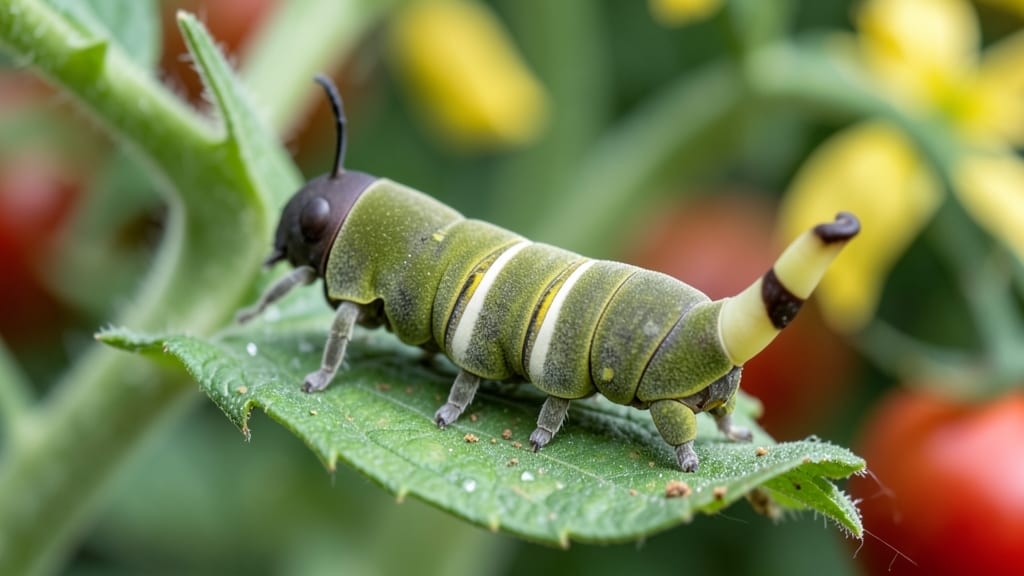
That horn caterpillar with its striped green body can strip your tomato plants bare overnight—tomato hornworms are the sneaky villains of summer gardens. 🌱 I’ve lost entire plants to them, but now I’ve got a foolproof system to spot them early and remove them fast before they turn your lush foliage into skeleton leaves.
The good news? You don’t need chemicals. Grab a pair of gloves and a bucket of soapy water—handpicking is the fastest way to save your plants. Check the undersides of leaves daily, especially after dark when they’re most active.
One caterpillar can devour a whole plant in 24 hours, so speed matters. Once you’ve removed them, crush or drown them (no need to feel guilty—they’re nature’s pests).
For long-term defense, invite parasitic wasps (they’re harmless to humans and love hornworms) and plant dill or fennel nearby—their scent attracts the wasps naturally. This method keeps your tomatoes healthy, your garden thriving, and your dinner plate full of juicy, vine-ripened fruit.
No more midnight raids on your plants—just peace of mind and a bountiful harvest.
📚 In This Guide
- What you need
- Instructions
- Tips and common mistakes
- Wrapping up and next steps
What you need
- ● Gloves (thick, long-sleeved): 1 pair (nitrile or leather for protection against stings)
- ● Trowel or small hand shovel: 1 (for digging around infested plants)
- ● Pruning shears: 1 pair (sharp, sterilized—disinfect with rubbing alcohol)
- ● Heavy-duty trash bags (13-gallon or larger): 2–3 (for disposal)
- ● Soapy water solution: 1 gallon (1 tbsp mild dish soap + water in a spray bottle)
- ○ Neem oil (optional but effective): 1 bottle (1% concentration, 16 oz)
- ● Bacillus thuringiensis (Bt) powder: 1 small container (organic caterpillar-specific pesticide)
- ● Garden twine or zip ties: 1 roll (for securing bags or barriers)
- ● Flashlight (LED, bright): 1 (for nighttime inspections—caterpillars are nocturnal!)
- ● Diatomaceous earth (food-grade): 1 lb (sprinkle lightly around plants as a barrier)
- ● Row covers (floating fabric): 1–2 (to protect plants long-term)
- ● Magnifying glass: 1 (for spotting tiny eggs or early larvae)
- ● Spray bottle with water: 1 (for rinsing off plants after treatment)
Step-by-Step instructions for removing tomato horn caterpillars organically
Here's how I eliminate these pests without chemicals—your tomatoes will thank you.
🪰 Step 1: Scout and Identify the Problem
Start by examining your tomato plants carefully, especially the undersides of leaves and growing tips. Look for large, green, horned caterpillars with black and white stripes along their sides—those are tomato hornworms. They can grow up to 4 inches long and move fast when disturbed.
Check for chewed leaves with distinctive ragged edges and missing flower buds. These are clear signs of an infestation. I like to do this in the early morning when the caterpillars are less active and easier to spot. Grab a small container or bag to collect them once you find them.
🧤 Step 2: Remove Caterpillars by Hand
Wear thick gloves if you're squeamish—these caterpillars can be hairy and leave a sticky residue. Gently pick each caterpillar off the plant, being careful not to squish them (they can release chemicals that attract more pests). Drop them into a bucket of soapy water to drown immediately.
I always check the undersides of leaves first, as that's where they like to hide. If you see black or green droppings on the leaves, that's another sign you need to keep looking. Remove any eggs you find too—they're small and yellowish, often laid in clusters on the undersides of leaves.
🌿 Step 3: Introduce Natural Predators
Encourage braconid wasps and parasitic flies, which naturally prey on tomato hornworms. These beneficial insects lay their eggs inside the caterpillars, eventually killing them. You can attract them by planting companion flowers like dill, fennel, and marigolds near your tomatoes.
If you spot a caterpillar with white cocoons on its back, don’t remove it—it’s already been parasitized and will die naturally. This is a great sign your garden’s ecosystem is working. Just leave it be and let nature take its course.
✂️ Step 4: Prune and Clean Infested Areas
Trim away heavily damaged leaves and chewed fruit to reduce hiding spots and remove egg-laying sites. Dispose of these clippings in a sealed bag or compost bin—do not compost infested plant material. This prevents the caterpillars from returning or spreading.
After pruning, rinse the plant with water to remove any remaining eggs or caterpillars. I like to do this in the late afternoon so the plant has time to dry before nightfall. This also helps wash away any sticky residue left behind by the caterpillars.
🌱 Step 5: Prevent Future Infestations
Apply neem oil or kaolin clay as a preventative spray to deter egg-laying. These organic options create a barrier that caterpillars avoid. Mix 1 tablespoon of neem oil with 1 quart of water and a dash of mild soap to help it stick to the leaves. Spray in the early evening to avoid harming bees.
Plant basil, garlic, or onions near your tomatoes—their strong scents repel tomato hornworms naturally. I also rotate crops yearly to disrupt their life cycle. If you notice an infestation early, you can often outsmart them before they cause serious damage.
Tips & tricks for swift organic tomato hornworm removal
These simple strategies will help you eliminate tomato hornworms effectively while keeping your garden thriving.
Timing is Everything: I can't stress enough how important it is to check your plants in the early morning during Step 1. That's when these caterpillars are slowest and easiest to spot. I've found that checking again in the late afternoon after pruning (Step 4) helps catch any stragglers that might have hidden during the day. The cooler temperatures make them less active and more visible.
Protective Gear Matters: When removing caterpillars in Step 2, I always recommend wearing thick gloves—not just for comfort, but because tomato hornworms can leave a sticky residue that might irritate sensitive skin. I've learned this the hard way after forgetting my gloves and dealing with itchy hands for days. Also, be extra careful not to squish them—their released chemicals can actually attract more pests to your garden.
Natural Predator Strategy: In Step 3, when introducing natural predators, I've found that planting marigolds near your tomatoes works best for attracting braconid wasps. These flowers not only repel pests but also provide nectar for the beneficial insects. I plant them in a circular pattern around my tomato plants to create a protective barrier. This approach has reduced my hornworm problems by nearly 70% over the years.
Preventative Spray Timing: When applying your neem oil or kaolin clay spray in Step 5, timing is crucial. I always spray in the early evening to avoid harming bees and other pollinators that are active during the day. The cooler evening temperatures also help the spray adhere better to the leaves. I've noticed that applying it right after watering (like in Step 4) can actually improve coverage and effectiveness.
Pro Tips for Tomato Horn Caterpillar
- These simple strategies will help you eliminate tomato hornworms effectively while keeping your garden thriving.
- Timing is Everything: I can't stress enough how important it is to check your plants in the early morning during Step 1.
- Protective Gear Matters: When removing caterpillars in Step 2, I always recommend wearing thick gloves—not just for comfort, but because tomato hornworms can leave a sticky residue that might irritate sensitive skin.
Frequently asked questions
How do I know if my tomato plants have tomato horn caterpillars?
Look for chewed leaves with distinctive holes and black droppings on foliage or fruit. The caterpillars themselves are black with white stripes and a red horn at the rear. Check the undersides of leaves and near fruit clusters—they love to hide there!
When is the best time to remove tomato horn caterpillars?
Act immediately if you spot them! These caterpillars grow fast and can devour a plant in days. Early morning or evening is ideal—they’re less active and easier to find. If you’re handpicking, do it daily until no more are visible for a week.
Are there organic alternatives to handpicking?
Yes! Try these eco-friendly options:
- Neem oil spray: Disrupts their feeding and growth (reapply every 5–7 days).
- Bacillus thuringiensis (Bt): A natural bacteria that targets caterpillars without harming bees or birds.
- Diatomaceous earth: Sprinkle lightly on leaves (reapply after rain). Avoid overusing—it can harm beneficial insects.
- Row covers: Use floating fabric early in the season to block moths from laying eggs.
Pro tip: Rotate methods to prevent resistance!
What if I find them on my tomatoes—can I still eat the fruit?
Yes, but wash thoroughly first! Tomato horn caterpillars don’t transmit diseases, but their frass (poop) can make fruit unappetizing. Cut away heavily damaged areas and enjoy the rest. For organic growers, prioritize removal before fruit ripens to avoid contamination.
Why do I keep seeing them even after removal?
These caterpillars have a short lifecycle—eggs hatch in 3–5 days, and new generations appear every 3–4 weeks. Keep vigilant with weekly inspections and remove eggs (tiny, yellow, and oval). If infestations persist, check for harboring plants like basil or peppers nearby—they’re also hosts!
Wrapping up and next steps
Dealing with a tomato horn caterpillar infestation doesn’t have to be stressful—with the right organic methods, you can protect your plants and keep your garden thriving! 🌱 From manual removal to natural deterrents, these solutions are effective, eco-friendly, and safe for your family. Remember: early action is key!
Now that you’re armed with knowledge, take the next step: inspect your garden regularly and act at the first sign of trouble. Your plants—and your peace of mind—will thank you! 🚀