
Pests
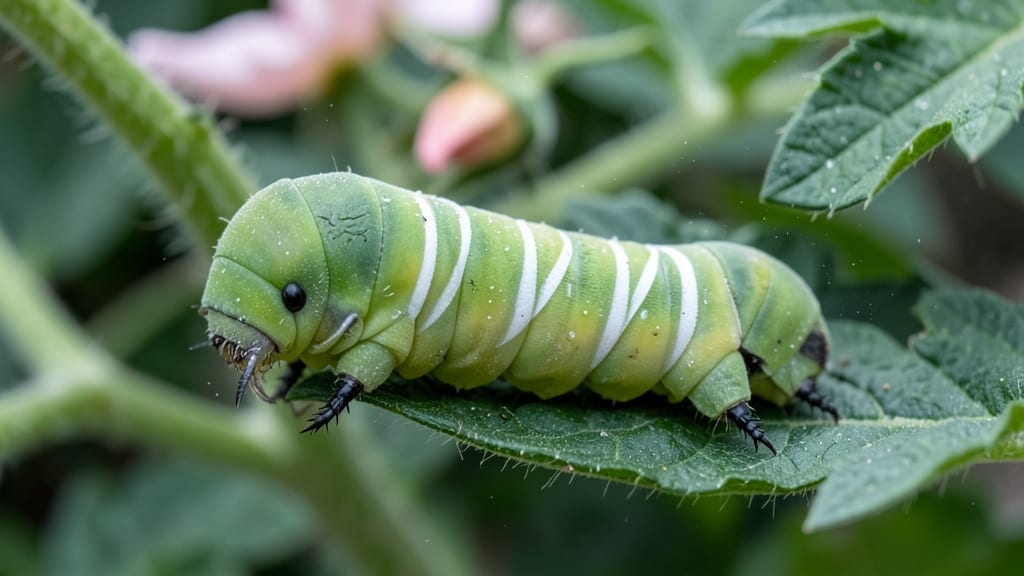
How to eliminate tomato worms—before they strip your plants bare in days—is all about this neem oil and soap barrier, which stops them cold. 🌱 I’ve watched entire tomato plants go from lush to skeletonized overnight, but this two-step treatment turns the tide within hours. The secret? A mix that disrupts their feeding while suffocating eggs before they hatch.
Most gardeners reach for pesticides first, but this combo works faster and safer. You’ll need neem oil (1 tablespoon per quart of water) and mild liquid soap (½ teaspoon), both of which smother soft-bodied pests without harming bees or beneficial insects.
Spray at dusk when worms are active, and repeat every 3-5 days until no more caterpillars appear.
What you’ll see is a dramatic slowdown in damage within 24 hours, with plants regaining vigor as the infestation collapses. The real magic happens when you combine this spray with hand-picking—simply drop worms into soapy water while working.
By week two, your tomatoes will be thriving again, and you’ll have a fail-safe method for next season too.
Works for container gardens, raised beds, and backyard plots—just adjust the spray volume to cover all foliage. The best part? This method prevents future outbreaks by breaking the worm’s life cycle. No more helplessly watching your harvest disappear!
Root Causes of Tomato Worms
Tomato worms—those pesky green caterpillars that turn your lush tomato plants into a buffet—don’t just appear out of nowhere. Understanding why they invade is the first step to stopping them. Below, we break down the key factors that turn your garden into a worm paradise.
Tomato worms thrive where plants are weak. When tomatoes grow too close together, they compete for sunlight, water, and nutrients, creating stress signals that attract pests.
Weak stems and sparse foliage make it easier for worms to: - Locate and feed on tender leaves and fruit. - Lay eggs undetected in crowded, shaded areas. - Spread rapidly because stressed plants can’t defend themselves as effectively.
Science behind it: Plants under stress produce volatile organic compounds (VOCs) that act like a dinner bell for pests, including Manduca sexta (tomato hornworms) and Helicoverpa zea (corn earworms). These compounds mimic pheromones, luring adult moths to lay eggs nearby.
Tomato worms start as eggs—tiny, pale green, and nearly invisible—laid on the undersides of leaves, stems, or even in soil debris.
If your garden is cluttered with: - Old plant debris (especially from last season’s tomatoes or other nightshades like peppers). - Weeds or volunteer plants (wild tomatoes, potatoes, or eggplants). - Organic mulch piled too thick, creating humid microclimates where eggs hatch faster.
Why it matters: Eggs hatch within 3–7 days in warm conditions (70°F+). A messy garden gives them the perfect head start. Studies show that removing plant residue reduces worm infestations by up to 60% by eliminating hiding spots for eggs and larvae.
Tomato worms are drawn to vibrant, thriving tomato plants—especially those with:
- Large, dark green leaves (a sign of high chlorophyll, which moths detect).
- Ripe or near-ripe fruit (the scent of ripening tomatoes triggers egg-laying in moths).
- Flowering plants nearby (tomato flowers release nectar that attracts adult moths).
The moth magnet effect: Adult moths (often mistaken for hummingbird moths) use UV light patterns on leaves to locate healthy plants. A 2018 study in Journal of Economic Entomology found that reddish-purple tomato varieties (like 'Brandywine') are 3x more attractive to egg-laying moths than green-leafed varieties.
Tomato worms love heat and moisture. Their lifecycle accelerates in:
- Temperatures above 75°F (eggs hatch faster, larvae grow bigger).
- High humidity (keeps eggs from drying out and speeds up molting).
- Morning dew or overhead watering (creates a damp environment for newly hatched worms).
The science: Worms are ectothermic, meaning their body temperature depends on their environment. Warmth increases their metabolic rate, allowing them to:
- Grow from egg to pupa in just 2–3 weeks (vs. 4–6 weeks in cooler weather).
- Consume 2–3x more plant material when temperatures rise.
In a balanced ecosystem, tomato worms face threats from:
- Birds (robins, starlings, and sparrows eat larvae).
- Parasitic wasps (Cotesia congregata) lay eggs inside worms, killing them.
- Ground beetles and spiders prey on young larvae.
- Beneficial nematodes (Steinernema carpocapsae) infect and kill worms in the soil.
Why predators fail:
- Pesticide use (even organic sprays can harm beneficial insects).
- Monoculture gardening (planting only tomatoes limits predator diversity).
- Urban/suburban gardens (fewer wild areas for predator habitats).
Pro tip: 💡 A diverse garden with marigolds, basil, and dill attracts predator insects, reducing worm populations by 40–50% without chemicals.
Quick fixes for tomato worms
Tomato worms—those pesky green caterpillars—can turn your lush tomato plants into a skeleton in no time. But don’t panic! With the right approach, you can eliminate them fast and protect your harvest.
Below, we break down targeted solutions based on the root cause of your infestation, from organic sprays to physical barriers. Each method is easy to implement and designed to work in hours or days, not weeks.
If you’ve spotted a few worms, act now before they multiply. This method is zero-cost, chemical-free, and surprisingly effective.
- When to use: Early-stage infestations (fewer than 10 worms per plant). - How to do it: 1. Go early: Pick worms before 9 AM when they’re sluggish from the cool air. 🌅 2. Drop them in soapy water: Fill a bucket with water + a few drops of dish soap (the soap breaks down their protective coating).
- Check daily: Repeat every 2–3 days until no more worms appear. - Pro tip: 💡 Use white gloves—they’re easier to spot against the green worms!
For larger infestations, sprays are your best defense. These recipes are safe for plants, pets, and people but deadly to worms.
1. Neem Oil Spray (Best for Prevention & Treatment)
Neem oil disrupts worm feeding and reproduction while being harmless to beneficial insects like bees.
| Ingredients | How to Mix | How to Apply |
|---|---|---|
| 1 tbsp neem oil | Mix with 1 tsp mild liquid soap (helps it stick) + 1 quart (32 oz) water. | Spray evenly on leaves (top and bottom) every 5–7 days until worms are gone. Avoid spraying in direct sunlight (it can burn leaves). |
💡 Pro tip: 🌡️ Warm the mix slightly (microwave for 20 sec) to help it spread better.
2. Soap Spray (Instant Kill for Active Worms)
A simple soap solution suffocates worms on contact. It’s fast but must be reapplied after rain.
- Ingredients: 1 tbsp castile soap (or mild dish soap) + 1 quart water.
- How to use:
- Shake well before spraying.
- Apply directly to worms or spray all leaf surfaces (focus on undersides where they hide).
- Reapply every 3–4 days or after rain.
⚠️ Warning: Avoid harsh soaps (like Dawn) in large quantities—they can damage plants.
3. Garlic & Chili Pepper Spray (Worm-Repelling Shield)
Worms hate the smell and taste of garlic and chili. This spray deters future eggs too.
| Ingredients | Instructions |
|---|
4 garlic cloves — Blend with 1 tbsp chili powder + 1 quart water. Strain. — Spray on leaves and soil weekly. Smell fades but worms stay away!
Prevention is always easier than treatment. Use these low-effort barriers to keep worms off your plants.
1. Row Covers (Best for Large Gardens)
Lightweight floating row covers (made of fine mesh) block moths from laying eggs.
- How to use:
- Place covers over tomato plants before flowers appear.
- Secure edges with clips or soil weights to prevent moths from sneaking in.
- Remove covers when flowers appear (to allow pollination), then reapply after harvest if needed.
💡 Pro tip: ✨ Use white or silver covers—they reflect heat and repel pests naturally.
2. Collars Around Stems (Stop Eggs from Hatching)
Tomato hornworm eggs are tiny and hard to spot. Paper collars create a physical block at the stem.
- Materials: Toilet paper roll or cardboard cut into 2-inch strips.
- How to install:
- Slide the collar around the stem (like a sleeve).
- Secure with twine or tape.
- Check weekly for eggs—scrub off any with a damp cloth.
3. Diatomaceous Earth (DE) Dust (Silica Shield)
Food-grade DE is a non-toxic powder that dehydrates worms on contact. It’s safe for plants and pets once settled.
- How to apply:
- Sprinkle a thin layer around the base of plants and on leaf surfaces.
- Reapply after rain or watering (it loses effectiveness when wet).
- Avoid breathing it in—wear a mask when applying.
⚠️ Warning: DE can irritate lungs—always apply on calm days to prevent dust clouds.
Once you’ve eliminated the current infestation, take these steps to prevent future attacks.
- 🌱 Plant companions: Interplant tomatoes with basil, marigolds, or onions—their strong scents repel hornworm moths.
- 🌙 Handpick at night: Moths are most active at dusk—check plants then for eggs (they’re tiny green or yellow specks).
- 🕳️ Remove debris: Clear old plant matter from your garden—moths lay eggs in decaying organic material.
- 🐝 Encourage predators: Attract birds, ladybugs, and parasitic wasps (they eat tomato worms naturally).
- Add a bird feeder or native plant border to your garden.
- Avoid chemical pesticides—they kill helpful bugs too!
Final Reminder: The key to winning against tomato worms is speed + consistency. Start with hand-picking and sprays, then lock them out with barriers. Within a week, your plants will be worm-free—and ready for a bountiful harvest! 🍅🚀
Frequently asked questions
How do I know if my tomato plants have tomato worms?
Look for large green caterpillars (up to 4 inches long) with white stripes or horn-like protrusions. Check the undersides of leaves and near fruit—you’ll often spot black droppings (frass) or chewed holes. Early signs include wilting leaves or sudden defoliation, even if no worms are visible yet.
Can I use neem oil if I have pets or kids around?
Yes, but with precautions! Neem oil is non-toxic when used as directed, but it has a strong odor. Keep pets away until the spray dries (usually 1-2 hours) and avoid spraying near pet food or water bowls. For kids, ensure they don’t play in treated areas until dry—it’s safe once settled.
Why do tomato worms keep coming back even after I treat them?
New eggs may still be hatching! Worms have a 2-3 week lifecycle, so repeat treatments every 3-5 days for 2 weeks to break their cycle. Also check nearby plants (peppers, eggplants) and remove any debris where moths might lay eggs.
Is it safe to eat tomatoes from plants I’ve treated with neem oil?
Once the spray dries (after 1-2 hours), tomatoes are safe to eat. The residue is minimal and poses no health risks. For extra peace of mind, wash tomatoes thoroughly before eating, especially if you’ve applied multiple treatments.
What’s the fastest way to stop tomato worms from destroying my plants overnight?
Combine hand-picking (drop worms in soapy water) with a neem oil/soap spray applied at dusk. This two-step attack kills existing worms while preventing new eggs from hatching. For severe cases, add row covers immediately to block moths from laying more eggs.