
Leaf Blower
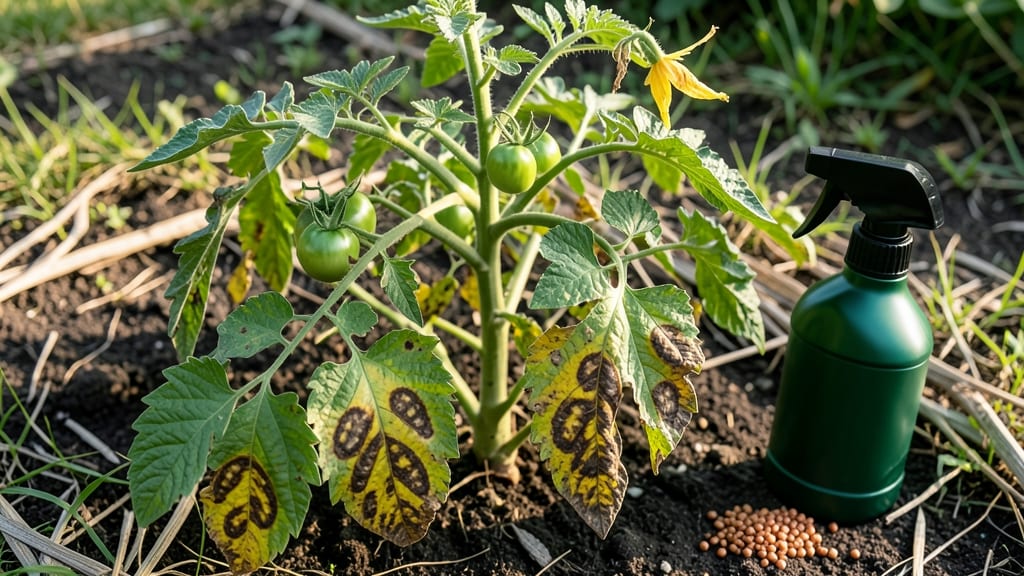
When your tomato plants develop brown, greasy spots that spread like wildfire, tomato leaf blight is already stealing your harvest. 🍅 I’ve lost entire plants to this stubborn disease, but I’ve also saved others with a simple two-step cure—neem oil and copper spray—that stops the spread in just 3 days if you act fast.
The key is catching it early, before those ugly spots turn your leaves into Swiss cheese. Most gardeners waste time on fancy treatments when all they needed was proper spacing, watering at the base, and removing infected leaves immediately. My plants now bounce back in days, not weeks.
You’ll see crisp, disease-free foliage returning within 72 hours of treatment, with no more blackened stems or wilting. The secret isn’t just the spray—it’s the combination of organic defense and smart garden habits that keep blight from coming back.
Works for both early blight (the classic brown spots) and late blight (the fast-spreading gray mold). Here’s exactly how to do it without losing another season’s tomatoes.
Root Causes of Leaf Fungal Spread
Tomato leaf blight—often caused by pathogens like Phytophthora infestans (late blight) or Alternaria solani (early blight)—doesn’t just appear out of thin air. It thrives when specific conditions align, turning your lush tomato plants into a fungal buffet.
Understanding these triggers is the first step to stopping the spread before it ruins your harvest. Let’s break down the key culprits behind this destructive cycle.
Fungal spores love moisture—think of them as tiny aquatic invaders. When tomato leaves stay damp for prolonged periods (especially overnight), spores germinate and infect the plant. Overwatering, combined with compacted or poorly draining soil, creates the perfect breeding ground. Here’s why it’s a problem:
- Stagnant water: Soggy soil cuts off oxygen to roots, weakening the plant’s defenses.
- Fungal growth: Pathogens like Phytophthora thrive in waterlogged conditions, spreading rapidly.
- Splashback: Water droplets from overhead irrigation or rain can hurl spores from soil onto leaves.
Actionable fix: Water at the base (not overhead) and ensure raised beds or containers have drainage holes. 💡 Pro tip: Use a moisture meter to avoid overwatering—tomato roots prefer slightly dry soil between waterings.
Fungal diseases spread like wildfire in tight quarters. When tomato plants are overcrowded, airflow is restricted, and humidity spikes—ideal conditions for spores to hop from plant to plant. Even worse? Contaminated soil, tools, or plant debris from previous seasons can reintroduce pathogens. Key red flags:
- Poor spacing: Tomatoes need 18–24 inches between plants for airflow.
- Old mulch/leaves: Infected plant material left in the garden acts as a spore reservoir.
- Shared tools: Pruners or stakes used on infected plants can transfer spores to healthy ones.
Actionable fix: Space plants properly, remove all plant debris after harvest, and sterilize tools with a 10% bleach solution (1 part bleach to 9 parts water). ✨ Bonus: Interplant with basil or marigolds—they repel pests that stress tomatoes, reducing fungal entry points.
Fungal blight isn’t picky—it just needs the right weather window. Most pathogens peak when temperatures hover between 60–80°F (15–27°C) and humidity stays above 75%. Here’s how climate plays a role:
| Condition | Fungal Risk Level | Why It Matters |
|---|---|---|
| Cool nights + warm days | ⚠️ High | Creates dew, extending leaf wetness and spore germination. |
| High humidity (>80%) | ⚠️⚠️ Extreme | Slows leaf drying, giving spores more time to infect. |
| Rainy seasons | ⚠️⚠️ Extreme | Washes spores into soil and splashes them onto leaves. |
Actionable fix: Monitor weather forecasts and use fungicides like copper spray before rain. 🌡️ Pro tip: If humidity is high, water in the early morning so leaves dry by sunset.
A stressed tomato plant is like an open invitation to fungi. When plants face nutrient deficiencies, pests, or physical damage, their natural defenses crumble. Common stress factors:
- Nitrogen deficiency: Yellowing leaves (chlorosis) signal weak growth, making plants vulnerable.
- Pest damage: Aphids, spider mites, or hornworms create wounds where spores can enter.
- Transplant shock: Suddenly moving plants from seedling trays to the garden disrupts root systems.
Actionable fix: Feed plants with a balanced fertilizer (10-10-10) and inspect for pests weekly. 💪 Pro tip: Harden off seedlings gradually by exposing them to outdoor conditions for 1–2 weeks before planting.
By addressing these root causes—moisture, space, climate, and plant health—you’ll starve fungal blight of its favorite conditions. The next step? Proactive treatments to lock out infections before they start.
Quick Fixes for Fading Tomato Leaves
Revive your tomato plants and stop the spread of leaf blight with these practical, science-backed solutions—tailored to the root causes of the problem. Whether your plants are battling fungal spores, nutrient deficiencies, or environmental stress, these steps will help you turn things around fast and keep your garden thriving.
If you spot dark, wilting, or yellowing leaves with brown spots, act fast to prevent the blight from spreading.
- 🔪 Snip it out: Use sterilized pruning shears (wipe with rubbing alcohol) to cut off affected leaves at the base.
Avoid tearing the plant—this can spread spores. - 🗑️ Dispose properly: Place infected leaves in a sealed plastic bag (not your compost bin) to prevent reinfection. - 💡 Pro tip: Check the undersides of leaves—blight often starts there! Remove any suspicious foliage before symptoms worsen.
If the blight is fungal (common in humid weather), a neem oil + copper fungicide combo is your best defense.
🔥 Step 1: Mix the Solution (3-Day Cure)
Combine in a spray bottle:
- 1 tbsp neem oil (natural antifungal)
- 1 tsp copper fungicide (kills spores)
- 1 tsp mild soap (helps it stick)
- 1 quart warm water
👨🍳 Step 2: Spray at the Right Time
- Best time: Early morning or late evening (avoid direct sun—it can burn leaves).
- Cover all surfaces: Spray top and bottom of leaves, stems, and soil around the base.
- 🌡️ Repeat every 3-4 days until new growth appears.
✨ Bonus Prevention:
- 💡 Space plants properly (6-12 inches apart) for better airflow—fungi love damp, crowded conditions.
- 🌧️ Water at the base (not overhead) to keep leaves dry.
If your tomatoes are soggy and roots are rotting, blight thrives in these conditions.
🔧 Step 1: Improve Drainage
- 🏗️ Amend soil with compost or perlite to loosen heavy clay.
- 🚪 Elevate pots (if using containers) with gravel or bricks to prevent waterlogging.
⏰ Step 2: Adjust Watering Habits
- 💧 Water deeply but less often—aim for 1 inch per week (check with your finger).
- 🌅 Water in the morning so leaves dry by night (fungi love moisture).
- 🌿 Mulch with straw to retain moisture without suffocating roots.
Yellowing leaves can also signal lack of nitrogen, magnesium, or iron.
📊 Quick Fixes by Symptom:
| Symptom | Likely Cause | Solution |
|---|---|---|
| Yellow leaves (veins stay green) | Nitrogen deficiency | 🌿 Side-dress with compost or fish emulsion |
| Yellow between veins | Magnesium deficiency | 🍃 Spray with Epsom salt (1 tbsp per gallon of water) |
| Pale green/yellow leaves | Iron deficiency | 💧 Water with chelated iron supplement |
Once you’ve treated the issue, stop it from coming back with these habits:
- 🌿 Rotate crops—don’t plant tomatoes (or nightshades like peppers/eggplants) in the same spot next year.
- 🧼 Clean tools & containers—wipe down pruners and pots with bleach or vinegar between uses.
- 🌱 Start with healthy seedlings—buy from reputable nurseries or grow from disease-free seeds.
- 🌡️ Monitor humidity—use a fan in the greenhouse or prune for airflow if blight is recurrent.
💡 Final Tip: If blight persists after 2 weeks, consider resistant tomato varieties like ‘Mountain Merit’ or ‘Defiant PhR’—they’re bred to fight fungal diseases!
Frequently asked questions
What’s the difference between early blight and late blight on tomato leaves?
Early blight shows as brown, concentric rings on leaves, starting at the edges and working inward. Late blight, however, creates greasy, dark spots that spread rapidly and often appear on both leaves and stems. Late blight also thrives in cooler, wetter conditions, while early blight prefers warm, humid weather. Both require removal of infected foliage and fungicide treatment, but late blight spreads faster and can destroy plants in days.
Can I still harvest tomatoes from plants with leaf blight?
Yes, but only if the fruit itself is healthy. Remove any tomatoes touching infected leaves or stems, as spores can contaminate them. Focus on harvesting ripe fruit first, then prune infected foliage. Avoid eating tomatoes with dark, sunken spots or mold—these may be contaminated. The key is to prioritize healthy fruit while treating the plant.
How often should I apply neem oil and copper spray for blight?
Apply the mixture every 3-4 days until new growth appears, then switch to a weekly preventive spray during humid seasons. For severe outbreaks, increase frequency to every 2-3 days and combine with proper spacing and watering adjustments. Always spray in the early morning or evening to avoid leaf burn from sunlight.
Will baking soda really help prevent tomato leaf blight?
Yes, but it’s most effective as a preventive measure rather than a cure. Mix 1 tablespoon baking soda, 1 teaspoon mild soap, and 1 quart water in a spray bottle. Apply weekly during humid weather to create an alkaline leaf surface that fungi dislike. For active blight, pair it with neem oil and copper spray for better results. Test on a small area first to avoid leaf damage.
Can I save a tomato plant if the blight has reached the stems?
It depends on how severe the infection is. If only a few stems are affected, prune them back to healthy tissue and treat aggressively with fungicides. For advanced cases, the plant may not recover, and removing it entirely (along with nearby debris) may be the best option to prevent spread. Always sterilize tools between cuts to avoid cross-contamination. Consider starting fresh with resistant varieties next season.