
How To
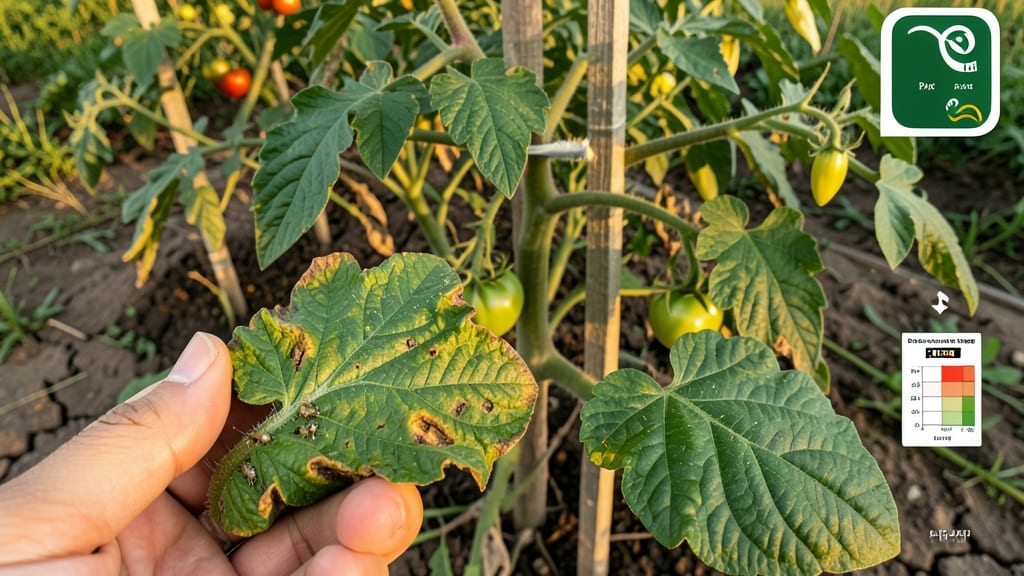
When your tomato leaves curl into tight little boats, it’s usually a cry for help—not just from pests, but from fungal blight hiding in plain sight. 🌱 I’ve watched entire plants wither from early blight in just two weeks, and copper spray is the one treatment that actually stops it in its tracks.
The key is catching it early, before the spots turn black and the leaves crumble into dust. Most gardeners blame heat or mites first, but the real culprit is often early blight (Alternaria solani), which thrives in damp conditions.
Check the undersides of leaves—if you see tiny yellow spots with concentric rings, that’s your diagnosis. Copper spray works because it creates a protective barrier, unlike fungicides that just mask symptoms. One application every 7–10 days during wet seasons keeps plants standing strong.
What you’ll end up with is a plant that keeps producing fruit instead of dropping leaves. The vines stay sturdy, the tomatoes ripen evenly, and you avoid the heartbreak of a blighted harvest. It’s not just about saving the plant—it’s about reclaiming your garden’s productivity.
This fix works for both container and in-ground tomatoes, and it’s safe for organic gardens when used correctly. Let’s get those leaves unfurling again.
Root Causes Behind Leaf Distress
When your tomato plants start showing signs of curled leaves, it’s often their way of signaling trouble—whether from hidden pests, environmental stressors, or unseen pathogens. Understanding the why behind the curl is the first step to restoring your plants to peak health.
Below, we break down the most common culprits, using science-backed explanations to help you diagnose the issue accurately.
Pests like aphids, spider mites, and whiteflies are notorious for causing tomato leaves to curl. These tiny invaders feed on plant sap, injecting toxins that disrupt normal growth. Here’s how they do it:
- Aphids: These sap-sucking insects cluster on new growth, injecting saliva that warps leaves. Their honeydew secretions also attract sooty mold, further stressing the plant.
- Spider Mites: In hot, dry conditions, these arachnids spin webs on leaf undersides while feeding. Their feeding causes stippling (tiny white dots) and curling as the plant loses nutrients.
- Whiteflies: These winged pests excrete sticky honeydew, which fosters fungal growth. Their feeding weakens leaves, leading to upward curling and yellowing.
💡 Pro Tip: Inspect leaf undersides with a magnifying glass—pests love hiding there! A strong blast of water or neem oil spray can dislodge them before they cause irreversible damage.
Tomatoes are sensitive to extreme conditions, and sudden changes can trigger leaf curling as a defensive response. Key environmental triggers include:
- Heat Stress: Temperatures above 90°F (32°C) can scorch leaves, causing them to curl inward to reduce water loss. This is common in midday sun exposure.
- Cold Damage: Frosts or chilly nights (50°F/10°C or lower) disrupt cell function, leading to curled, discolored leaves. Young plants are especially vulnerable.
- Windburn: Strong winds dry out leaf edges, causing them to curl and crisp. This is common in open or unsheltered gardens.
- Water Imbalance:
- Underwatering: Leaves curl upward to conserve moisture, often paired with dry, brittle stems.
- Overwatering: Poor drainage leads to root rot, starving the plant of oxygen. Curled leaves may also appear yellow or wilted.
🎯 Actionable Fix: Mulch around plants to regulate soil temperature, use shade cloth in extreme heat, and ensure pots have drainage holes. Water deeply at the base—never overhead—to avoid fungal risks.
Fungal diseases like Alternaria solani (early blight) and Phytophthora infestans (late blight) thrive in humid conditions and can cause leaves to curl, yellow, and develop dark spots. Here’s how they attack:
- Early Blight: Starts with yellow spots on lower leaves that turn brown with concentric rings. Leaves curl upward as the fungus spreads via spores.
- Late Blight: Causes greasy-looking spots that spread rapidly in damp weather. Infected leaves curl and die, often within days.
- Powdery Mildew: Creates a white, powdery coating on leaves, which curl to limit spore spread. Common in crowded or poorly ventilated plants.
✨ Prevention Tip: Space plants for airflow, avoid overhead watering, and apply copper-based fungicides (like copper spray) at the first sign of spots. Remove infected leaves immediately to stop spore spread.
Tomatoes are heavy feeders, and deficiencies in key nutrients can manifest as curled leaves. Here’s what to watch for:
| Nutrient | Deficiency Signs | Why It Causes Curling |
|---|---|---|
| Nitrogen (N) | Pale green or yellow leaves, stunted growth | Leaves curl to reduce surface area and conserve energy, as the plant struggles to produce chlorophyll. |
| Potassium (K) | Yellowing leaf edges (scorching), weak stems | Potassium regulates water and nutrient transport; deficiency disrupts cell turgor, causing curling. |
| Magnesium (Mg) | Interveinal yellowing (between veins), curled older leaves | Magnesium is central to chlorophyll production; without it, leaves can’t photosynthesize efficiently. |
💡 Quick Fix: Conduct a soil test to confirm deficiencies. For nitrogen, use a balanced fertilizer (e.g., 10-10-10). For potassium or magnesium, apply Epsom salt (magnesium sulfate) or a tomato-specific supplement like fish emulsion.
Now that you know the why, the next step is identifying which culprit is affecting your plants. Stay tuned for our deep dive into diagnosing symptoms and copper spray solutions to tackle fungal blight head-on!
Quick Fixes for Wrinkled Tomato Leaves
If your tomato plants are showing signs of curled leaves, don’t panic—there’s a way to turn things around! The key is identifying the root cause and applying targeted solutions. Below, we break down practical fixes for common issues like fungal blight, pests, environmental stress, and nutrient deficiencies.
Each remedy is designed to be easy to implement, even for beginner gardeners.
Fungal diseases like early blight or late blight often cause leaves to curl, yellow, or develop dark spots. Copper-based fungicides are a go-to solution because they disrupt fungal spores without harming your plants.
How to Apply Copper Spray:
- 🛒 Choose the Right Product: Look for copper hydroxide or copper sulfate sprays (e.g., Bonide Copper Fungicide). Avoid homemade mixtures unless you’re experienced—commercial sprays are safer and more effective.
- 🌞 Time It Right: Apply early in the morning or late afternoon to avoid leaf burn from sunlight.
- 💦 Spray Thoroughly: Cover both sides of leaves and stems, focusing on affected areas. Use a light mist to prevent runoff.
- 🔄 Repeat as Needed: Reapply every 7–14 days or after rain, as copper washes off.
💡 Prevention Tip: Improve airflow by pruning crowded branches and avoid overhead watering to keep foliage dry.
Curling leaves can also signal pests like aphids, spider mites, or whiteflies. These tiny critters suck sap, causing leaves to pucker and stunt growth.
How to Remove Pests:
- 🔍 Inspect Leaves: Hold a magnifying glass over curled leaves to spot pests. Look for sticky residue (honeydew) or fine webbing.
- 🚰 Blast Off with Water: For aphids, spray them off with a strong stream of water from a hose.
- 🌿 Use Neem Oil: Mix 1 tsp neem oil + 1 tsp mild soap + 1 quart water, then spray affected areas. Reapply every 5–7 days.
- 🐞 Introduce Beneficial Insects: Ladybugs and lacewings devour pests naturally—release them near your plants for long-term control.
💡 Prevention Tip: Yellow sticky traps can catch flying pests like whiteflies before they multiply.
Extreme heat, cold snaps, or sudden wind can cause tomato leaves to curl as a protective response. While this isn’t always harmful, it can weaken plants and reduce yields.
How to Help Stressed Plants:
- 🌡️ Shield from Heat: If temps exceed 90°F (32°C), provide shade cloth (30–50%) during peak sun hours.
- 💧 Water Deeply & Consistently: Tomatoes need 1–2 inches of water per week. Use drip irrigation to keep roots moist without wetting leaves.
- 🌬️ Protect from Wind: If your garden is windy, stake or cage plants to prevent leaf damage.
- 🌱 Mulch for Stability: Apply 2–3 inches of mulch (straw or shredded leaves) to retain moisture and regulate soil temperature.
💡 Prevention Tip: Hardening off seedlings gradually before transplanting helps them handle outdoor conditions.
Curling leaves can also mean your tomatoes are hungry—especially for nitrogen, potassium, or calcium.
How to Fix Nutrient Issues:
| Symptom | Likely Cause | Quick Fix |
|---|---|---|
| Yellowing + curling | Nitrogen deficiency | Apply balanced fertilizer (10-10-10) or compost tea. |
| Brown leaf edges | Potassium deficiency | Use banana peel tea or potassium-rich fertilizer. |
| Blossom end rot | Calcium deficiency | Sprinkle crushed eggshells or use calcium nitrate. |
| Pale, weak growth | Phosphorus deficiency | Add bone meal or rock phosphate to soil. |
💡 Prevention Tip: Test your soil before planting—amend with compost or fertilizer based on results.
If leaves are severely damaged (e.g., from blight or pests), prune them to redirect energy to healthy growth.
How to Prune Safely:
- ✂️ Use Clean Tools: Sterilize pruners with rubbing alcohol to prevent spreading disease.
- 🌿 Trim Affected Areas: Cut off only the curled or diseased leaves—never more than ⅓ of the plant at once.
- 🌱 Encourage New Growth: After pruning, fertilize lightly with a balanced feed to boost recovery.
💡 Prevention Tip: Remove fallen leaves from the ground to reduce fungal spores.
The best way to avoid curled tomato leaves? Prevention.
Here’s a quick checklist: ✅ Rotate crops yearly to prevent soil-borne diseases. ✅ Monitor plants weekly for early signs of stress or pests. ✅ Keep your garden clean—remove debris and weeds. ✅ Choose disease-resistant varieties (e.g., ‘Celebrity’ or ‘Mountain Merit’ tomatoes).
With these fixes, your tomato plants should bounce back—and you’ll be on your way to a bountiful harvest! 🍅🌿
Frequently asked questions
Why do tomato leaves curl upward instead of downward?
Upward curling often signals fungal infections like early blight or environmental stress (heat/wind). Downward curling usually means overwatering or root rot. Check for dark spots with concentric rings—if present, it's likely fungal. For environmental stress, provide shade and improve airflow.
Can I use copper spray on tomato plants with flowers or fruit?
Yes, but apply it early in the morning when flowers aren't open to avoid harming pollinators. Copper spray is safe for edible plants once fully absorbed (wait 24 hours before harvesting sprayed leaves). Always follow label instructions for application rates and harvest intervals.
What's the fastest way to tell if spider mites are causing curling?
Look for tiny webs on leaf undersides and stippling (white/yellow dots). Hold a white sheet under the plant and shake it—if tiny red/orange mites drop, that's your culprit. Spider mites thrive in dry, hot conditions, so increase humidity with a light misting if confirmed.
Will pruning curled leaves actually help my tomato plant?
Pruning removes fungal spores and redirects energy to healthy growth. Cut only affected leaves (never more than ⅓ of the plant at once) using sterilized shears. Always remove pruned leaves from the garden to prevent reinfection. Follow up with copper spray for best results.
How often should I check my tomato plants for curling?
Inspect plants 2-3 times per week during growing season. Early detection is key—especially after rain (fungal risk) or heatwaves (stress). Focus on new growth and leaf undersides where pests and fungal spores hide. Morning checks work best when leaves are dry.