
Plants
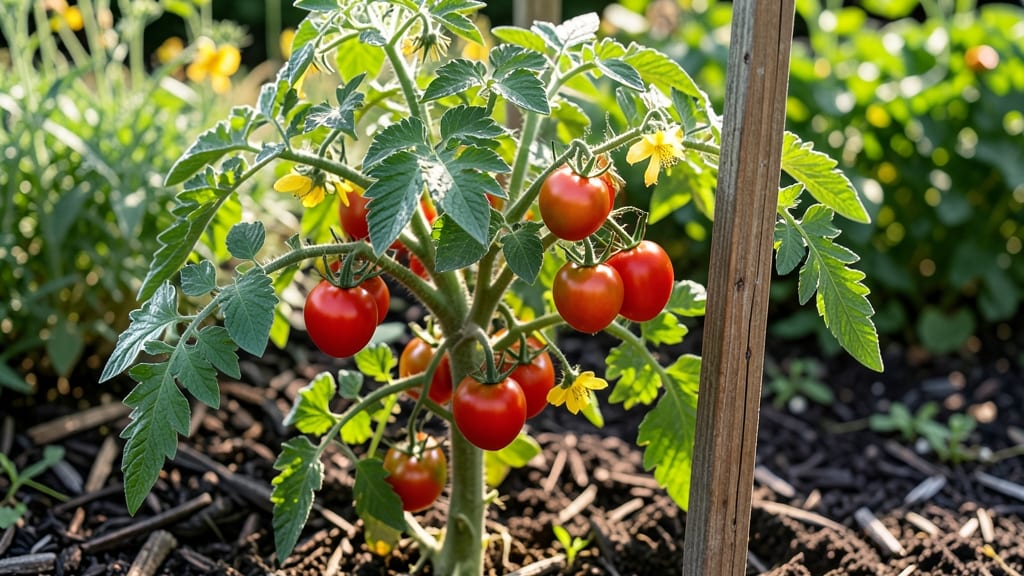
Your tomato plants are wilting despite perfect sunlight—root rot might be the culprit. 🌱 I’ve saved dozens of vines by catching this silent killer early, and the steps are simpler than you’d think. The key? Recognizing the symptoms before the soil turns to mush and the roots give up.
Overwatering and poor drainage are the usual suspects, but even well-intentioned gardeners fall into this trap. Yellowing leaves, stunted growth, and a foul smell at the base?
That’s root rot’s calling card. The good news is that pruning damaged roots, adjusting your watering routine, and amending the soil can bring them back—sometimes even mid-season.
Start by trimming away black, mushy roots and replanting in fresh, well-draining soil. Reduce watering to once every 5-7 days (unless it’s scorching hot) and add a layer of mulch to keep moisture consistent.
Within 2-3 weeks, you’ll see new green shoots pushing through, and those vines will be stronger than ever.
Prevention is easier than rescue: space plants properly, avoid soggy soil, and choose containers with drainage holes. Once you’ve mastered this, your tomatoes will thrive even in the heat of summer. Let’s get those roots healthy again!
The Hidden Triggers Behind Plant Decline
Root rot isn’t just a random misfortune—it’s the result of specific conditions that create the perfect storm for fungal or bacterial pathogens to take hold. Understanding these triggers is the first step to preventing them in your tomato garden.
Let’s break down the key culprits, backed by science, so you can protect your plants before they wilt.
Tomatoes thrive on consistency, but too much water is their silent enemy. When soil stays soggy for days, oxygen levels drop, suffocating roots and creating anaerobic conditions. This stress weakens the plant’s defenses, allowing Pythium and Phytophthora (common root-rot fungi) to multiply rapidly.
- Why it happens: Roots need oxygen to respire and absorb nutrients. Waterlogged soil forces them to switch to inefficient fermentation, producing toxic ethanol and weakening cellular structures. - Actionable insight: Test your soil’s drainage by digging a 6-inch hole and filling it with water.
If it drains slower than 4 hours, amend with perlite, sand, or compost to improve aeration.
Clay or tightly packed soil acts like a sponge that never releases water. Even with moderate watering, these soils trap moisture against roots, mimicking the effects of overwatering. Compacted soil also restricts root growth, making plants more vulnerable to pathogens.
- Why it happens: Small soil particles and lack of organic matter reduce pore space, limiting oxygen flow. Roots struggle to expand, and fungal spores latch onto stressed tissue. - Actionable insight: Loosen soil before planting by mixing in 1–2 inches of compost or aged manure.
For container gardens, use a well-draining potting mix (like 60% peat/perlite + 40% compost).
Soil isn’t sterile—it’s teeming with microbes, some of which are harmless while others are opportunistic pathogens. Phytophthora infestans (the same fungus behind late blight) and Fusarium oxysporum lie dormant in garden beds, waiting for stressed plants to activate.
- Why it happens: Spores thrive in moist, warm conditions (60–85°F).
If your soil has a history of root rot or you’ve planted tomatoes in the same spot yearly, spores build up, increasing infection risk. - Actionable insight: Rotate crops annually and solarize soil (cover with clear plastic for 4–6 weeks in summer) to kill pathogens.
Avoid reusing infected potting mix—sterilize it with a 10-minute bake at 180°F or replace it entirely.
While tomatoes love humidity, excessive moisture in the air (especially near the soil) creates a greenhouse effect. This prolongs leaf wetness, giving fungi like Pythium a direct route to roots through stomata (leaf pores).
- Why it happens: Humid air slows evaporation, keeping soil moist longer. Mulch that touches stems can also trap moisture, accelerating rot. - Actionable insight: Space plants 18–24 inches apart for airflow and use straw or wood chips as mulch—but keep it 2–3 inches away from stems.
Prune lower leaves to improve circulation.
Physical damage to roots (from transplant shock, rough handling, or even overzealous weeding) creates entry points for pathogens. Even minor wounds can become infection sites if soil conditions are favorable.
- Why it happens: Damaged root cells release sugars, which attract fungi. Without intact root barriers, pathogens invade quickly. - Actionable insight: Harden off seedlings for 7–10 days before transplanting and water deeply 1–2 days prior to reduce shock.
Use a soil knife (not a shovel) to avoid cutting roots when digging.
Tomatoes are sensitive to temperature swings. Cold soil (<50°F) slows root activity, while heat stress (>90°F) causes wilting and nutrient uptake failures—both scenarios weaken plants and invite rot.
- Why it happens: Cold soil reduces microbial activity, but it also makes roots sluggish, unable to fend off invaders.
Heat stress forces plants to prioritize survival over defense, leaving them vulnerable. - Actionable insight: Use black plastic mulch in cold climates to warm soil and shade cloth in scorching heat. Plant in raised beds for better temperature regulation.
While nitrogen fuels leafy growth, excessive nitrogen (from over-fertilizing or manure) promotes soft, succulent roots—prime targets for rot. It also disrupts the soil microbiome, reducing beneficial bacteria that suppress pathogens.
- Why it happens: High nitrogen lowers soil pH slightly, creating acidic conditions that favor fungal growth. It also reduces root hair development, which are the plant’s first line of defense. - Actionable insight: Test soil annually and balance NPK ratios (e.g., 5-10-10 for tomatoes).
Use compost tea or mycorrhizal fungi to boost beneficial microbes naturally.
Pro Tip 💡: Monitor your plants’ “thirst cues”—wilting in the late afternoon (when roots can’t keep up) often signals overwatering, not underwatering. Stick your finger 1–2 inches into soil; if it’s damp, hold off on watering.
Reviving Your Tomatoes: Step-by-Step Fixes
Root rot may feel like a death sentence for your tomato plants, but with the right actions, you can often nurse them back to health—or at least salvage what’s left to enjoy. The key is acting fast and addressing the root cause (literally!).
Below are practical, garden-tested solutions tailored to the most common triggers of root rot, plus prevention tips to keep your plants thriving.
Problem: Soggy soil suffocates roots, leading to rot. Solution:
- Stop Watering Immediately – Let the soil dry out completely before watering again. Stick your finger 1–2 inches into the soil; if it’s damp, wait.
- Improve Drainage – Amend the soil with coarse sand, perlite, or compost to break up compacted areas. For containers, add a layer of gravel or broken pottery at the bottom.
- Repot If Needed – If roots are severely rotted, carefully remove the plant, trim away mushy roots with sterilized scissors, and replant in fresh, well-draining soil.
- Adjust Your Watering Routine – Water deeply 2–3 times per week (less in rainy climates) and always in the morning to allow foliage to dry.
💡 Pro Tip: Use a moisture meter to avoid guesswork—roots need air as much as water!
Problem: Excessive moisture from storms or poor site selection. Solution:
- Raise Planting Beds – If in-ground, mound soil to create higher planting areas. For containers, use elevated planters or add feet to improve airflow.
- Mulch Strategically – Apply 2–3 inches of organic mulch (straw or wood chips) to regulate soil temperature and reduce evaporation, but keep it away from the stem to prevent rot.
- Create a Drainage Path – If flooding is chronic, plant tomatoes on sloped ground or install French drains to redirect water.
- Temporary Shelter – Use a clear plastic tunnel or waterproof tarp (propped up) to shield plants during heavy rains.
✨ Bonus: Plant drought-tolerant tomato varieties (like ‘Solar Fire’ or ‘Heatmaster’) if your area gets frequent downpours.
Problem: Pathogens like Phytophthora or Pythium attack weakened roots. Solution:
- Remove Infected Plants – If rot is widespread, pull and destroy affected plants (don’t compost!) to prevent spread.
- Sterilize Tools & Soil – Clean pruners with rubbing alcohol, and treat soil with hydrogen peroxide (3%) or copper fungicide.
- Boost Soil Health – Add beneficial microbes like Trichoderma or mycorrhizal fungi to outcompete pathogens.
- Use Resistant Varieties – Next season, opt for disease-resistant tomatoes (e.g., ‘Mountain Merit’ or ‘Defiant PhR’).
🔥 Emergency Fix: For lightly infected plants, drench roots with a baking soda solution (1 tsp baking soda + 1 quart water) to raise pH and inhibit fungi.
Problem: Temperature swings weaken roots, making them vulnerable to rot. Solution:
- Shade Cloth for Heat – Use 30–50% shade cloth during scorching days to prevent soil overheating.
- Cold Protection – In chilly climates, use row covers or black plastic mulch to insulate roots.
- Water Smartly – In heat, water early in the day to reduce evaporation; in cold, avoid wet foliage to prevent frost damage.
- Move Potted Plants – If containers are in full sun, relocate them to partial shade during peak heat.
🎯 Prevention Tip: Plant tomatoes in late spring (after the last frost) and choose heat-tolerant varieties like ‘Celebrity’ or ‘Better Boy.’
Once you’ve treated the issue, prevent recurrence with these habits: - Test Your Soil – Aim for a pH of 6.0–6.8 and good aeration.
Amend with compost if needed. - Space Plants Properly – Overcrowding traps moisture; give tomatoes 18–24 inches of space. - Rotate Crops – Avoid planting tomatoes (or nightshades) in the same spot year after year. - Monitor Drip Irrigation – Ensure emitters aren’t leaking near stems. - Harvest Promptly – Overripe tomatoes on the vine attract pests and diseases.
Final Thought: Even severely rotted plants can stage a comeback if you act quickly. Trim the damage, adjust care, and give your tomatoes a fighting chance—your next harvest might just be the best yet! 🍅🌿
Frequently asked questions about tomato root rot
How can I tell if my tomato plant has root rot?
Look for yellowing leaves starting at the bottom, stunted growth, and a foul smell at the base of the stem. Gently pull the plant—if roots are black and mushy (not firm and white), that’s root rot. Wilting that doesn’t improve after watering is another key sign.
Can I save a tomato plant with root rot?
Yes, if caught early! Trim away black, mushy roots with sterilized scissors, replant in fresh, well-draining soil, and reduce watering. For severe cases, consider propagating healthy cuttings from above the rot line. Act fast—roots can’t regrow once fully rotted.
Why does root rot happen even when I water my tomatoes regularly?
Root rot thrives on consistent moisture, not just frequency. Overwatering, poor drainage, or compacted soil traps excess water, suffocating roots. Check your soil: If water pools or drains slower than 4 hours, amend with perlite or sand to improve airflow.
Is root rot contagious between plants?
Yes, fungal spores spread through soil, water, and tools. Remove infected plants immediately (don’t compost!) and sterilize pots/tools with rubbing alcohol. Space healthy plants 18–24 inches apart and avoid overhead watering to prevent splash contamination.
What’s the best soil mix to prevent root rot in containers?
Use a blend of 60% peat/perlite (for drainage) + 40% compost (for nutrients). Add a 1-inch gravel layer at the bottom for extra airflow. Avoid heavy garden soil—it compacts and holds too much moisture.