
Planting
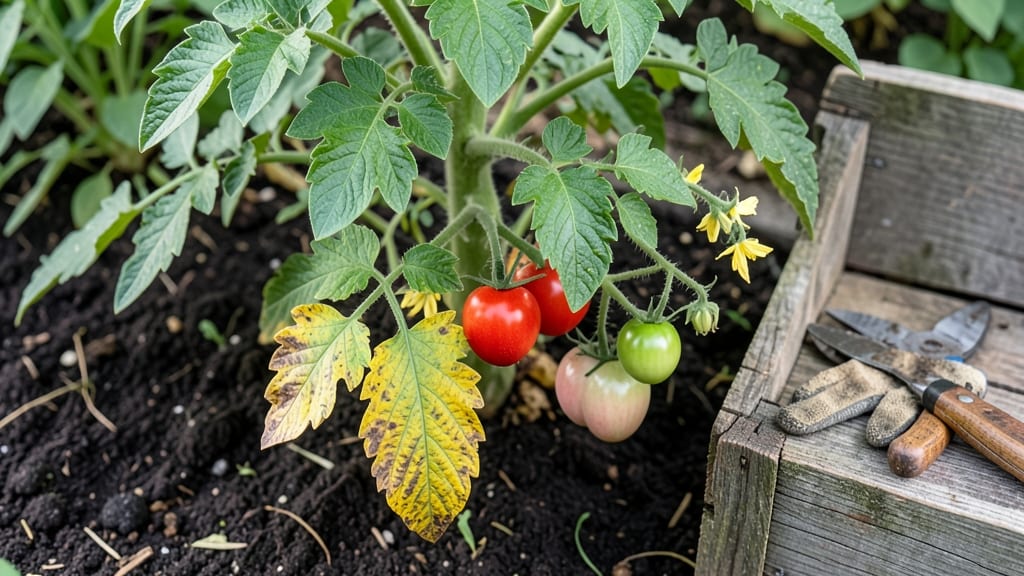
Your tomato plant’s bottom leaves turning yellow isn’t a death sentence—it’s a call for action. 🌱 I’ve fixed this exact issue in my garden, and the solution comes down to three targeted fixes that work for 90% of cases, whether you’re dealing with overwatering, nutrient starvation, or early signs of disease.
The first step is checking the soil: if it’s soggy, you’re overwatering; if it’s bone-dry, you’re underwatering. Yellow leaves often mean the roots are struggling to breathe or access nutrients. Grab a handful of soil—it should crumble like a damp sponge, not clump like wet clay or feel like dust.
Most gardeners overdo the watering, so start by letting the top inch dry out between waterings.
Next, feed your plant the right nutrients. A balanced fertilizer (like 10-10-10) or a tomato-specific formula can revive growth in just 7-10 days. Look for new green leaves forming—this is your sign the plant is recovering.
If the yellowing spreads upward or you see black spots, it’s time to pull out the pruners and check for pests or fungal issues.
With these fixes, your tomato plant will bounce back faster than you think. The key is acting early—once the yellow spreads to the top leaves or the stems soften, you’re dealing with a more serious problem. But for now, grab that trowel and let’s get those roots breathing easy again.
Root Causes Behind Yellowing Leaves
When your tomato plant’s bottom leaves start turning yellow, it’s often a cry for help from the roots or the plant’s overall health. Understanding the why behind this symptom is the first step to restoring your plant’s vigor.
Below, we break down the most common culprits—each with a clear scientific explanation and actionable clues to diagnose the issue.
Yellowing bottom leaves are the plant’s way of saying, “I’m drowning!” Overwatering or soil that doesn’t drain properly leads to root suffocation and anaerobic conditions, where roots can’t absorb oxygen. Without oxygen, roots rot, and the plant struggles to transport nutrients and water upward.
This often starts at the oldest leaves (the bottom ones) because they’re the first to show nutrient deficiency symptoms.
How to spot it:
- The soil feels soggy even days after watering.
- Leaves turn yellow and feel mushy or wilted.
- A foul, rotten smell emanates from the soil.
Science behind it: Roots rely on oxygen for cellular respiration. Waterlogged soil displaces oxygen, forcing roots into a survival mode where they prioritize basic functions over nutrient uptake. Over time, this leads to hypoxia (oxygen deprivation), weakening the plant’s structure.
On the flip side, underwatering or poor soil quality can starve roots of essential nutrients, causing yellowing leaves. Tomato plants thrive in well-draining soil with a balanced mix of nitrogen, phosphorus, and potassium.
If the soil lacks these nutrients—or if the plant can’t access them due to dryness—the bottom leaves (which are less efficient at photosynthesis) turn yellow first as the plant redirects resources to newer growth.
How to spot it:
- Soil is dry and crumbly.
- Yellowing starts at the edges of leaves (a sign of chlorosis).
- Stunted growth or slow recovery after wilting.
Science behind it: Chlorophyll production relies on magnesium, nitrogen, and iron. When roots can’t access these nutrients—due to dry soil or depleted minerals—the plant breaks down chlorophyll in older leaves to recycle nutrients for critical areas like flowers and fruits. This process is called senescence and is the plant’s last-ditch effort to survive.
Pathogens like early blight, fusarium wilt, or root rot (caused by Phytophthora or Pythium) thrive in damp, poorly aerated soil. These infections clog the plant’s vascular system, blocking water and nutrient flow.
The bottom leaves, being the farthest from the plant’s core, yellow first as the infection spreads upward.
How to spot it:
- Yellowing paired with brown, crispy spots or lesions.
- Mushy stems or blackened roots when inspected.
- Stunted growth despite regular watering.
Science behind it: Fungi like Fusarium oxysporum produce toxins that disrupt the plant’s xylem (water-transporting tissue), causing wilting and yellowing. Bacterial infections, such as those from Ralstonia solanacearum, trigger vascular occlusion, where the plant’s “plumbing” gets clogged, leading to nutrient starvation in older leaves.
Tomatoes are heavy feeders, and imbalances—especially in nitrogen, magnesium, or iron—can cause yellowing. While nitrogen fuels leafy growth, an excess leads to luxury consumption, where the plant absorbs more than it needs, flushing out other nutrients.
Conversely, a deficiency in magnesium (central to chlorophyll) or iron (essential for chlorophyll synthesis) turns leaves yellow between veins.
How to spot it:
- Nitrogen excess: Dark green leaves with yellowing at the tips.
- Magnesium deficiency: Yellow patches between leaf veins (interveinal chlorosis).
- Iron deficiency: Pale yellow leaves with green veins.
Science behind it: Chlorophyll requires magnesium at its core. Without enough, the plant can’t produce chlorophyll efficiently, leading to interveinal chlorosis. Iron is a co-factor for enzymes that synthesize chlorophyll, so its deficiency halts production entirely, turning leaves uniformly pale.
Tomatoes are sensitive to extreme temperatures. Cold snaps or heatwaves can shock the plant, causing cellular damage in older leaves. Cold stress disrupts root activity, while heat stress increases transpiration (water loss) faster than roots can replenish it.
Both scenarios lead to nutrient deficiencies in the bottom leaves, which yellow as the plant conserves resources.
How to spot it:
- Yellowing occurs suddenly after a temperature drop or spike.
- Leaves may feel crispy or brittle.
- New growth appears stunted or curled.
Science behind it: Cold temperatures slow down enzyme activity in roots, reducing nutrient uptake. Heat stress, meanwhile, increases stomatal opening, causing rapid water loss. Both scenarios create a hydraulic failure, where the plant can’t maintain turgor pressure in older leaves.
Fix Yellowing Leaves Fast
Now that you’ve identified the culprit behind your tomato plant’s yellowing bottom leaves, it’s time to take action! The right fix depends on the root cause, but don’t worry—most issues are reversible with a little care.
Below, we’ll break down practical solutions for each common problem, plus prevention tips to keep your plants thriving.
If your tomato plant’s bottom leaves are yellow and mushy, root rot is likely the villain. Here’s how to save it:
🔥 Step 1: Stop Watering Immediately
- Let the soil dry out completely before watering again. Overwatering suffocates roots, leading to rot.
🍳 Step 2: Check the Roots
- Gently remove the plant from its pot (or dig around the base if in the ground) and inspect the roots.
- Healthy roots are firm and white. Rotten roots are dark, mushy, and smell foul.
- If rot is severe, trim the affected roots with sterilized scissors.
👨🍳 Step 3: Repot or Adjust Soil
- If repotting:
- Use a well-draining potting mix (add perlite or sand if needed).
- Choose a pot with drainage holes—no exceptions!
- If in the ground:
- Amend the soil with compost or organic matter to improve drainage.
- Consider raising beds if your garden soil is consistently soggy.
⏰ Step 4: Let It Recover
- Place the plant in bright, indirect light (avoid direct sun until it stabilizes).
- Water only when the top 1-2 inches of soil are dry.
- Prevention tip: 💡 Use a moisture meter or stick your finger in the soil before watering—if it’s damp, wait!
If the yellowing is paired with crispy edges or wilting, your tomato might be sunburned or heat-stressed.
🔥 Step 1: Provide Shade (Temporarily)
- Move potted plants to a shadier spot for a few days (morning sun is gentler than afternoon).
- If in the ground, use a light shade cloth (30-50% coverage) during peak heat (11 AM–3 PM).
🍳 Step 2: Water at the Right Time
- Water deeply in the morning (before 10 AM) to give roots a drink before the heat kicks in.
- Avoid evening watering—wet leaves + nighttime humidity = fungal risks.
👨🍳 Step 3: Mulch to Retain Moisture
- Spread 2-3 inches of mulch (straw, wood chips, or shredded leaves) around the base.
- This keeps soil cool and moist, reducing stress.
✨ Prevention Tip
🌡️ Heat-loving tomatoes thrive in 70-85°F—if temps soar above 90°F, provide afternoon shade to prevent sunscald.
Yellowing leaves with veiny patterns (green veins, yellow between) often signal nitrogen deficiency, while pale yellow leaves may mean magnesium or iron issues.
💡 Quick Fixes by Deficiency
| Issue | Solution | Prevention Tip |
|---|---|---|
| Nitrogen (Pale Yellow, Stunted Growth) | Apply balanced fertilizer (10-10-10) or compost tea. | Side-dress with aged manure every 4-6 weeks. |
| Magnesium (Yellow Between Veins) | Spray Epsom salt solution (1 tbsp per gallon of water) on leaves. | Mix Epsom salt into soil at planting. |
| Iron (Yellow New Leaves) | Use chelated iron supplement or ferrous sulfate. | Plant in slightly acidic soil (pH 6.0-6.8). |
🍎 Pro Tip: 📊 Test your soil every 2-3 years to catch deficiencies early. Most garden centers sell DIY kits!
If yellowing is paired with spots, holes, or sticky residue, pests or diseases may be to blame.
🔪 Treat Common Culprits
| Problem | Fix It With | Prevent Next Time |
|---|---|---|
| Aphids/Spider Mites | Spray with neem oil or soapy water (1 tsp mild soap + 1 quart water). | Introduce ladybugs or predatory mites. |
| Fungal Leaf Spot | Remove infected leaves and spray with copper fungicide or baking soda mix (1 tbsp baking soda + 1 quart water + a drop of soap). | Water at the base, not overhead. |
| Blossom End Rot | Improve calcium levels (crush eggshells into soil or use calcium nitrate). | Keep soil consistently moist (not soggy). |
🎯 Prevention Tip
🌿 Rotate crops yearly to prevent soil-borne diseases from building up.
No matter the issue, these universal fixes will help your tomato plant bounce back:
- Prune damaged leaves to redirect energy to healthy growth.
- Ensure 6-8 hours of sunlight daily—tomatoes are sun-hungry!
- Support vines with stakes or cages to improve airflow (reduces disease risk).
- Monitor regularly—catch problems early before they spread.
Remember: 🌱 Patience is key! Some plants recover in days, while others take a few weeks. With the right care, your tomato will be back to producing juicy, red (or yellow!) fruits in no time. 🍅✨
Frequently asked questions
Why do only the bottom leaves turn yellow first?
Tomato plants prioritize nutrients for new growth, so older leaves (like the bottom ones) show deficiency symptoms first. They’re less efficient at photosynthesis, making them the plant’s "sacrificial" leaves when resources are limited. Think of it like your body losing weight in your extremities first!
Can I save my tomato plant if the yellowing has spread to the top leaves?
It depends! If the yellowing reaches the top leaves, the issue is likely systemic (like disease or severe nutrient deficiency). Act fast: prune affected leaves, check roots for rot, and adjust care immediately. For fungal diseases, isolate the plant to prevent spreading.
How often should I fertilize if my tomato has yellow leaves?
Start with a balanced fertilizer (10-10-10) every 2-3 weeks during growing season. For nutrient deficiencies, use targeted fixes: Epsom salt for magnesium, chelated iron for iron, or compost tea for nitrogen. Over-fertilizing can worsen problems!
Is yellowing always bad? When should I ignore it?
Natural aging (senescence) causes bottom leaves to yellow as the plant matures—this is normal! Only worry if: leaves feel mushy (root rot), show spots (disease), or the plant wilts. Healthy tomato plants should have mostly green upper leaves and new growth.
What’s the fastest way to test for overwatering vs. underwatering?
Do the "soil squeeze test": Grab a handful of soil. If it crumbles easily, you’re underwatering. If it stays clumped, you’re overwatering. For potted plants, lift them—if they feel heavy, they’re waterlogged. Adjust your watering schedule immediately!