
Plants
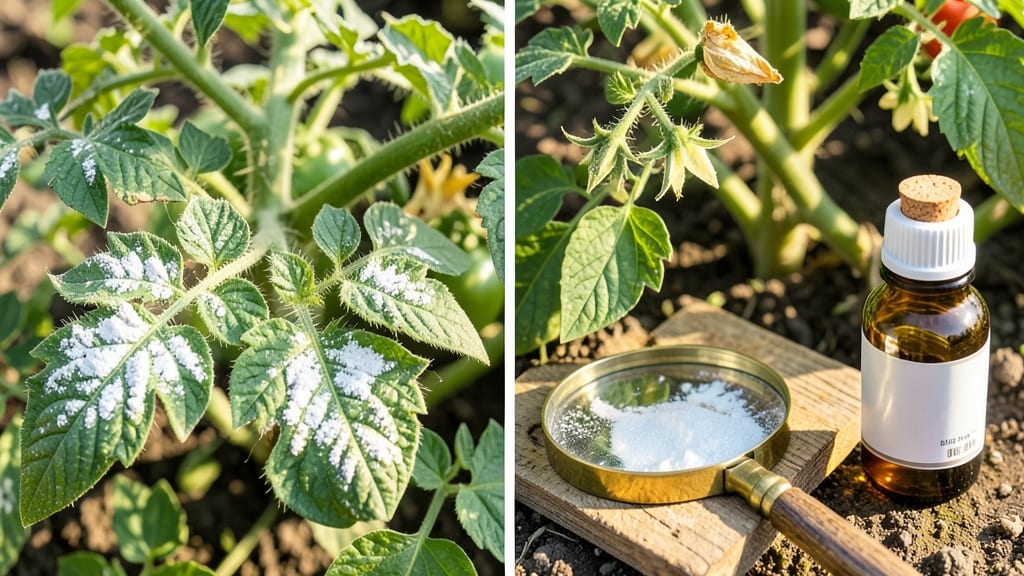
Your tomato plants' leaves turning white isn’t just unsightly—it’s a cry for help from powdery mildew or another fungal blight. 🌱 I’ve battled this exact problem in my garden, and copper spray isn’t just a cure—it’s the game-changer that stops it before it ruins your harvest.
The key is acting fast, because once those white patches spread, your plants struggle to recover.
Most gardeners assume white leaves mean overwatering or too much sun, but the real culprit is usually powdery mildew—a fungus that thrives in humid conditions. You’ll spot it as a white, powdery coating on leaves, often starting on the undersides.
Left untreated, it weakens plants, stunts growth, and can even kill your tomatoes if it spreads to stems and fruit. The good news? Copper spray disrupts the fungus’s life cycle without harming your plants.
Within 7-10 days of treatment, you’ll see new growth pushing through free of that white film, and your plants will bounce back stronger. The spray works by creating an unfriendly environment for the fungus, so you’ll need to reapply every 7-14 days or after heavy rain.
For best results, apply in the early morning or late afternoon to avoid burning leaves in direct sunlight.
This method works for both container gardens and in-ground plots, and it’s safe for all stages of tomato growth—whether you’re dealing with seedlings or full-sized plants. The secret is consistency: don’t wait until the problem spreads.
Start at the first sign of white fuzz, and you’ll save your harvest before it even becomes an issue.
Why it happens
When your tomato plant’s leaves start turning white, it’s rarely a coincidence—it’s usually a cry for help from your plant. Understanding the root causes (or in this case, the leaf causes) is the first step to saving your harvest.
Let’s break down the most common reasons behind this puzzling symptom, from sneaky pests to environmental stressors, so you can diagnose and fix the issue fast.
🍄 Fungal Infections: The Silent Invaders
Fungal diseases like powdery mildew or early blight are notorious for causing white, powdery patches on tomato leaves. These fungi thrive in warm, humid conditions and spread like wildfire when airflow is poor.
- Powdery Mildew: Appears as a white, talcum-powder-like coating on leaves, often starting on the undersides. It weakens the plant by blocking sunlight and clogging pores, leading to stunted growth and reduced fruit production.
- Early Blight: Starts with small white or tan spots that develop concentric rings (like a bullseye). Over time, these spots turn brown and crispy, and the white residue is actually fungal spores preparing to spread.
Why it happens: Fungi spores lurk in soil, garden tools, or even on nearby plants. They germinate when conditions are right—think high humidity (above 75%), poor air circulation, and wet foliage (from overhead watering or morning dew). If your tomatoes are crowded or you’ve recently pruned without sterilizing tools, you’ve created the perfect fungal buffet.
🐛 Pest Infestations: Tiny Thieves Stealing Your Plant’s Vitality
Some pests don’t just nibble—they suck the life out of your tomato leaves, leaving behind white, skeletal remains or sticky residue. The culprits?
- Whiteflies: These tiny, winged insects cluster on the undersides of leaves, feeding on sap. Their waste (honeydew) attracts sooty mold, which coats leaves in a white, fuzzy film. Infestations weaken plants, making them susceptible to other diseases.
- Aphids: While aphids themselves are green or black, their heavy populations can cause leaves to curl and turn white due to severe stress. They also excrete honeydew, leading to sooty mold.
- Spider Mites: Though they don’t directly cause white leaves, their feeding creates stippling (tiny white dots) and webbing. Severe infestations can turn leaves pale and brittle.
Why it happens: Pests are drawn to stressed plants—those with nutrient deficiencies, drought stress, or overcrowded conditions. They also thrive in dry, hot weather (like a desert oasis for mites) or shady, humid spots (whitefly paradise). If you’ve noticed a sudden spike in pests, check your watering habits or recent environmental changes.
💧 Environmental Stress: When Conditions Go Rogue
Tomatoes are tough, but they’re not immune to environmental whiplash. Extreme conditions can shock your plant into turning leaves white as a distress signal.
- Overwatering or Poor Drainage: Soggy soil leads to root rot, which starves leaves of nutrients and oxygen. White or yellow patches may appear as the plant struggles to photosynthesize. Fun fact: Even if the soil feels dry on top, compacted or clay-heavy soil can trap excess moisture at the roots.
- Underwatering or Heat Stress: When roots can’t keep up with the plant’s thirst, leaves may curl, wilt, or turn white from desiccation. High temperatures (above 90°F/32°C) also cause sunscald, where leaves bleach out in direct sunlight.
- Chemical Burn: Over-fertilizing (especially with high nitrogen or salt-based fertilizers) can scorch leaves, turning them white or brown at the edges. Even tap water with high chlorine or fluoride content can cause stress over time.
Why it happens: Tomatoes need a balanced environment—consistent moisture, partial shade during peak heat, and well-draining soil. If your plant is suddenly in a greenhouse with no ventilation, under a drip irrigation system that’s leaking, or baked in a black plastic mulch, it’s sending up a white flag for help.
🌱 Nutrient Deficiencies: Starving Your Tomatoes
White leaves can also be a sign your tomato plant isn’t getting the right nutrients to produce chlorophyll (the green pigment that powers photosynthesis). While yellowing (chlorosis) is more common, severe deficiencies can lead to white or pale patches.
- Magnesium Deficiency: Causes interveinal chlorosis (white areas between leaf veins), starting on older leaves. Magnesium is crucial for chlorophyll production and energy transfer.
- Nitrogen Deficiency: While usually causing yellowing, chronic lack of nitrogen can lead to pale, weak leaves. Nitrogen is the building block of proteins and enzymes.
- Calcium Deficiency: Leads to blossom end rot in fruits, but severe cases can cause new leaves to turn white or distorted. Calcium helps regulate cell structure and water movement.
Why it happens: Nutrient deficiencies often stem from poor soil quality (e.g., heavy clay or sandy soil that doesn’t retain nutrients), overwatering (which flushes nutrients away), or imbalanced fertilizers (like using too much synthetic nitrogen without micronutrients). If your soil pH is off (too acidic or alkaline), it can also lock out essential nutrients.
Fix Your Tomato Leaves Fast
Now that you know what’s causing your tomato plant’s leaves to turn white—whether it’s fungal blight, powdery mildew, or another issue—it’s time to take action. The good news? Most of these problems are treatable with simple, garden-friendly solutions.
Below, we’ll break down exact steps to revive your plants, depending on the root cause, plus prevention tips to keep your tomatoes thriving all season.
If your leaves are yellowing, wilting, or covered in dark spots (classic signs of fungal blight), copper fungicide spray is your best defense. Copper disrupts fungal spores without harming your plants or beneficial insects.
🔥 Step-by-Step Copper Spray Treatment
- Choose Your Copper Product
- Look for copper sulfate pentahydrate or copper hydroxide (both are effective).
- Popular brands: Bonide Copper Fungicide, Neem Oil + Copper Mix (for extra potency).
- Mix It Right
- Follow label instructions (typically 1–2 tbsp per gallon of water).
- For severe cases, add 1 tsp of liquid soap to help the spray stick to leaves.
- Spray at the Right Time
- Best time: Early morning or late evening (avoid direct sunlight—it can burn leaves).
- Coverage is key: Spray both sides of leaves, stems, and even the soil around the base (fungus loves hiding there!).
- Reapply Every 7–14 Days
- Fungal spores return fast. Keep spraying preventatively after rain or high humidity.
- Remove Infected Leaves
- 🔪 Snip off severely damaged leaves with clean pruners.
- 🗑️ Dispose of them in the trash (not compost)—fungus spreads easily.
💡 Pro Tips for Faster Recovery
- Boost airflow by pruning crowded branches (fungus thrives in damp, shaded areas).
- Water at the base (not overhead) to keep leaves dry.
- Rotate treatments: Alternate copper spray with neem oil or baking soda spray (1 tsp baking soda + 1 quart water + a drop of soap) to prevent resistance.
If your leaves are white, powdery, and fuzzy, powdery mildew is likely the culprit. This fungus spreads quickly but responds well to baking soda, neem oil, or sulfur sprays.
🍳 DIY Baking Soda Spray (Safe & Cheap)
- Mix 1 tsp baking soda + 1 quart water + 1 tsp horticultural oil or dish soap.
- Spray until leaves are damp (but not soggy).
- Reapply every 7–10 days or after rain.
👨🍳 Neem Oil Treatment (Strong & Preventative)
- Mix 1 tbsp neem oil + 1 tsp mild soap + 1 quart water.
- Shake well and spray all plant surfaces.
- Best used at night (neem oil can cause leaf burn in direct sun).
- Repeat every 1–2 weeks for prevention.
✨ Sulfur Dust (For Severe Cases)
- Lightly dust sulfur powder on leaves (follow package instructions).
- ⚠️ Warning: Only use in cool weather (sulfur can burn leaves in heat over 90°F).
🎯 Prevention for Next Season
- Space plants 18–24 inches apart for better airflow.
- Avoid overhead watering—use drip irrigation instead.
- Rotate crops—don’t plant tomatoes in the same spot year after year.
If white leaves are due to over-fertilization, pests (like spider mites), or environmental stress, the fix is simpler:
📊 Fixing Over-Fertilization (White Tips or Burn)
- Flush the soil with water to remove excess salts.
- Switch to a balanced fertilizer (like 10-10-10) and reduce frequency (every 3–4 weeks).
- Use compost tea to improve soil health naturally.
🕷️ Battling Spider Mites (White Webbing + Spots)
- Spray with water to knock off mites (do this twice daily for 3 days).
- Use insecticidal soap (mix 2 tbsp soap + 1 quart water).
- Release ladybugs (natural predators of spider mites).
🌡️ Heat or Cold Stress (Sudden White Spots)
- Move plants to a shadier spot if leaves are scorched.
- Mulch heavily to protect roots from temperature swings.
- Mist leaves lightly in extreme heat (but avoid fungal risks).
If your tomato plant is beyond saving, don’t waste it! Save healthy cuttings to grow new plants:
- Cut a 4–6 inch stem just below a leaf node.
- Remove lower leaves and dip in rooting hormone.
- Plant in moist soil and keep humid (use a plastic bag as a mini greenhouse).
- In 2–4 weeks, you’ll have a new disease-free plant!
💡 Final Reminder: The key to healthy tomatoes is prevention. Once you’ve treated your current issue, stay vigilant with regular inspections, proper spacing, and smart watering. Your future harvests will thank you! 🍅🌿
Frequently asked questions
Why do my tomato leaves turn white in patches but not all at once?
Patchy white leaves usually signal powdery mildew or early blight, which start on older leaves first. These fungal diseases spread gradually when humidity stays high (above 75%) or airflow is poor. Check the undersides of leaves—you’ll often see white fuzz there before it appears on top. The fungus thrives in crowded plants, so prune for better circulation immediately!
Can I still harvest tomatoes if the leaves are turning white?
Yes, but monitor the situation closely! If only a few leaves are affected, your existing tomatoes should ripen fine. However, if the white spread reaches stems or fruit, the plant may redirect energy to fight the disease instead of producing. Remove severely infected leaves and focus on treating the root cause—your remaining fruit will develop normally if the plant stays healthy.
Will copper spray harm my tomato plants if I use too much?
Copper is safe when used correctly, but overapplication can cause leaf burn. Stick to label instructions (usually 1-2 tbsp per gallon) and avoid spraying in direct sunlight. For extra safety, test a small leaf first. The key is consistency—reapply every 7-14 days during humid conditions, but never exceed recommended concentrations.
How do I tell if white leaves are from fungus or nutrient deficiency?
Fungal issues (like powdery mildew) appear as powdery coatings that wipe off easily, often on leaf undersides. Nutrient deficiencies cause white patches between veins (especially magnesium deficiency) or overall pale leaves. Test your soil—if the pH is off (below 6.0 or above 7.5), nutrients become unavailable even if they're present.
What's the fastest way to stop whiteflies from causing white leaves?
Whiteflies thrive in humid conditions and leave sticky honeydew that attracts sooty mold. Knock them off immediately with a strong spray of water, then apply insecticidal soap (2 tbsp soap per quart of water) every 3-4 days. For severe cases, yellow sticky traps placed above plants can catch adults before they reproduce. Prune crowded foliage to improve airflow and reduce their hiding spots.