
Companion Plants
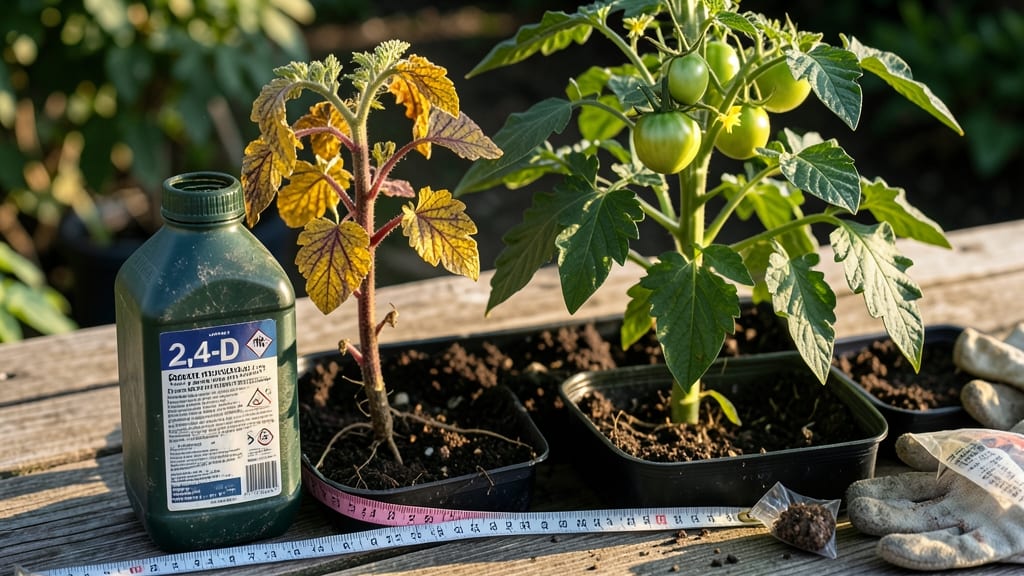
Your tomato plants might be dying from 2,4-D damage—those curled leaves and stunted growth aren’t just bad luck. 🌱 I’ve seen this herbicide drift wreck gardens in hours, and while it’s devastating, copper spray can sometimes reverse the damage faster than you’d expect.
The key is acting immediately and understanding why this happens in the first place.
2,4-D damage often comes from herbicide drift, overapplication, or even neighborly spraying. You’ll spot it in twisted leaves, yellowing stems, and plants that refuse to grow—symptoms that mimic disease but won’t respond to usual fixes. The bad news?
There’s no instant cure, but pruning affected areas and flushing the soil with water can help. The good news? Copper spray, applied within 24 hours, can sometimes stabilize plants and prevent further harm.
Long-term, focus on soil remediation—compost and organic matter help break down residues. Rotate crops next season and plant tomatoes in a different spot to avoid lingering herbicide. For prevention, keep buffer zones between your garden and treated lawns, and always check wind direction before spraying.
It’s not just about saving this year’s plants—it’s about protecting future harvests.
If your tomatoes are already beyond saving, don’t panic. Use the lesson to fortify next year’s garden. Start with a soil test, choose resistant varieties, and keep a close eye on your neighbors’ spraying schedules. A little vigilance now means no more blighted plants later.
Root Causes Of Tomato Damage
Understanding why your tomato plants are showing signs of 2,4-D damage (or similar herbicide drift) starts with recognizing the culprits behind these symptoms. Here’s a breakdown of the most common reasons, explained in clear scientific terms with actionable insights:
2,4-D (2,4-dichlorophenoxyacetic acid) is a synthetic auxin herbicide widely used to kill broadleaf weeds. When wind carries microscopic droplets of this chemical onto your tomato plants, it triggers uncontrolled cell division in their tissues.
Unlike tomatoes, which are sensitive to synthetic auxins, weeds thrive on them—leading to stunted growth, curled leaves, and deformed fruit.
- How it happens:
- Wind direction: Applications on neighboring fields, roadsides, or even a neighbor’s lawn can drift into your garden, especially in calm or breezy conditions (wind speeds under 3 mph increase risk).
- Spray timing: Early morning or late evening applications maximize drift potential due to temperature inversions trapping chemicals near the ground.
- Equipment issues: Boom sprayers, handheld sprayers, or even weed-and-feed granules (if applied incorrectly) can release 2,4-D particles into the air.
- 💡 Pro Tip: If you suspect drift, check nearby agricultural fields, golf courses, or large lawns—these are high-risk zones. A windbreak barrier (like tall plants or a fence) can reduce exposure by up to 50%.
Sometimes, gardeners accidentally apply 2,4-D (or similar herbicides like dicamba or mecoprop) directly to their tomato plants, thinking they’re targeting weeds. Because tomatoes are solanaceous plants (part of the nightshade family), they’re extremely sensitive to synthetic auxins, which mimic natural plant hormones but disrupt growth patterns.
- Common mistakes:
- Off-target spraying: Using a broadcast sprayer without a shield or nozzle guard, allowing droplets to land on leaves or stems.
- Granular herbicides: Applying weed preventers (like those for lawns) too close to tomato beds—rain can dissolve granules and release 2,4-D into the soil.
- Concentrated solutions: Mixing herbicides at higher-than-recommended strengths to "speed up" weed control.
- ⚠️ Warning Sign: If you’ve recently used a pre-emergent herbicide (like Preen) or a post-emergent spray, check the label—some contain 2,4-D or related chemicals.
Even if you haven’t directly applied 2,4-D, your tomato plants can absorb residual chemicals from:
- Previous herbicide use: Soil may retain 2,4-D for weeks or months, especially in clay or poorly drained soils.
- Irrigation water: If your water supply comes from a shared source (like a well near an agricultural area), runoff can introduce trace amounts.
- Compost or manure: Manure from livestock grazing on treated pastures may contain degraded but still active 2,4-D metabolites.
- 🔍 How to test:
- Leaf analysis: Send a sample to a soil testing lab to check for herbicide residues.
- Symptom pattern: If only certain plants in a row are affected, soil contamination is likely.
While 2,4-D is the primary cause, stressed tomato plants (from herbicide exposure) become vulnerable to secondary issues:
- Pests: Hornworms, aphids, or spider mites thrive on weakened plants with soft, distorted leaves.
- Fungal infections: Early blight or septoria leaf spot can exploit the compromised cell walls caused by 2,4-D.
- Nutrient deficiencies: The herbicide disrupts auxin transport, leading to potassium or calcium deficiencies, which worsen symptoms.
- 🛡️ Prevention: If you suspect secondary damage, isolate affected plants, apply neem oil or copper fungicide, and boost soil health with compost.
Final Note: The key to reversing 2,4-D damage is early detection. If you catch symptoms (like cupped leaves or stunted growth) within 24-48 hours, copper spray treatments can help mitigate further harm. Stay tuned for our next section on immediate recovery steps!
How to Fix 2,4-D Damage Quickly
If you’ve spotted the telltale signs of 2,4-D herbicide drift on your tomato plants—crinkled leaves, stunted growth, or deformed fruit—don’t panic! While this synthetic auxin can cause irreversible damage in severe cases, acting fast with the right treatments can help your plants recover (or at least salvage the harvest).
Below, we break down cause-specific solutions, from immediate first aid to long-term prevention, so your tomato patch can bounce back stronger.
Before diving into fixes, determine the severity of the damage. Check for:
- Mild symptoms: Yellowing edges, slight leaf curling, or stunted growth.
- Moderate symptoms: Crinkled or cupped leaves, deformed stems, or blossom-end rot.
- Severe symptoms: Complete leaf drop, blackened stems, or plant death.
⚠️ Pro Tip: If the plant is already dead or beyond saving, remove it immediately to prevent cross-contamination with healthy plants. Bag and dispose of it—do not compost!
2,4-D is systemic, meaning it travels through the plant’s vascular system. Rinsing the plant can help dilute and remove surface residues before absorption worsens.
🔥 How to Rinse Tomato Plants Safely
- 🌧️ Water Thoroughly: Use a gentle spray or hose to wash down leaves, stems, and soil around the base. Focus on undersides of leaves where herbicide may linger.
- 🧼 Add a Mild Detergent: Mix 1 tsp of dish soap (like Dawn) per gallon of water to help break down chemical residues. Test on a small area first to avoid further stress.
- 💦 Repeat Daily for 3 Days: Frequent rinsing prevents further uptake.
Avoid overhead watering after treatment to let foliage dry.
💡 Quick Fix: If you caught the drift early, prune affected leaves immediately (sterilize shears with rubbing alcohol) to stop the toxin from spreading.
Once the plant is rinsed, support its immune system to counteract the hormonal disruption caused by 2,4-D.
🌿 Copper Spray for Fungal Resistance 2,4-D weakens plants, making them vulnerable to fungal infections (like early blight).
A copper fungicide spray (like copper sulfate or copper hydroxide) can prevent secondary damage. - Mix: 1 tbsp copper fungicide per gallon of water. - Spray: Apply every 7–10 days until new growth appears. - Bonus: Copper also deters pests like aphids, which thrive on stressed plants.
🍅 Nutrient Flush to Rebalance Growth 2,4-D disrupts auxin hormones, causing erratic growth.
A balanced fertilizer flush can help reset the plant’s metabolism. - Use: A low-nitrogen, high-potassium fertilizer (like 5-10-10) to promote root and fruit recovery. - Apply: Mix 1 tbsp per gallon of water and water at the base (avoid leaves to prevent burns). - Frequency: Once a week until new leaves emerge.
💧 Hydrogen Peroxide Soak (Advanced Fix)
For severe cases, a hydrogen peroxide soak can oxygenate roots and break down residual toxins.
- Mix: 1 tbsp 3% food-grade hydrogen peroxide per gallon of water.
- Soak Roots: Submerge roots for 10–15 minutes (best for potted tomatoes or young transplants).
- Water Plants: Use the remaining solution to water the base.
✨ Pro Tip: Pair this with molasses spray (1 tbsp molasses per gallon of water) to stimulate beneficial microbes in the soil, aiding recovery.
The best cure? Stopping the problem before it starts. Here’s how to protect your tomato patch long-term:
🏡 Buffer Zones & Windbreaks
- Plant a barrier: Use fast-growing shrubs (like elderberry) or tall grasses between your garden and treated lawns/fields.
- Minimum distance: Keep tomatoes at least 50–100 feet away from areas sprayed with 2,4-D.
- Wind direction: Apply herbicides only when wind speeds are below 3 mph and never on days with rain forecasted.
🛡️ Physical Barriers
- Row covers: Use floating row covers (like Agribon) to shield plants during spraying seasons.
- Tarp protection: Lay tarps or cardboard over plants before herbicide application (remove immediately after).
🌱 Companion Planting Shield
Strategic companions can absorb or block herbicide drift:
- Sacrificial plants: Grow sunflowers or corn on the perimeter—they’re hardier and can act as a "shield."
- Tomato guards: Interplant with basil, marigolds, or nasturtiums, which may reduce chemical uptake through root competition.
📅 Smart Spraying Schedule
- Avoid early morning/evening: Herbicides drift more in cool, humid conditions (when tomatoes are most vulnerable).
- Check labels: Some 2,4-D products are less volatile—opt for low-drift formulations if treating nearby lawns.
Recovery isn’t instant, but with the right care, tomato plants can bounce back in 2–4 weeks.
Track progress with these checks: - New leaves: Healthy, dark green leaves (not yellow or curled) signal recovery. - Fruit development: If flowers are still forming, prune suckers to redirect energy to fruit. - Root health: Gently tug the plant—resistant roots mean it’s stabilizing.
🎯 Final Tip: If the main stem is severely damaged, consider propagating healthy cuttings from lower stems to grow a new plant.
By acting fast and methodically, you can minimize damage and even save your tomato harvest. While 2,4-D is persistent, your plants have a fighting chance—especially with copper sprays, nutrient support, and smart prevention. Now, go give those tomatoes the TLC they deserve! 🍅✨
Frequently asked questions
How quickly do tomato plants show signs of 2,4-D damage?
Symptoms typically appear within 24-48 hours after exposure. Look for leaf curling, yellowing edges, or stunted growth—these are early warning signs. Severe damage (like blackened stems) may take 3-5 days to become visible, especially in hot weather.
Can I still harvest tomatoes from plants exposed to 2,4-D?
Only if the fruit was formed before exposure. New growth and unripe tomatoes may be deformed or unsafe to eat. For existing fruit, wash thoroughly with soapy water before peeling (if applicable) and cooking. When in doubt, discard affected produce.
Will rain help wash away 2,4-D from my tomato plants?
Rain can dilute surface residues, but it may also push the herbicide deeper into the soil, increasing absorption. For best results, rinse plants manually with water and mild soap immediately after exposure, then avoid overhead watering for 48 hours to prevent further uptake.
Are there any organic alternatives to 2,4-D that won't harm tomatoes?
Yes! Try vinegar-based sprays (1 gallon vinegar + 1 oz dish soap) for weeds, or corn gluten meal as a pre-emergent. For existing weeds, hand-pulling or flaming tools work well. Just avoid synthetic auxin herbicides—tomatoes are extremely sensitive to them.
How do I know if my neighbor's lawn treatment is causing the damage?
Check for patterned symptoms—plants closest to the lawn edge are usually most affected. Ask your neighbor about recent herbicide use (2,4-D is common in weed-and-feed products). If they confirm spraying, suggest using low-drift formulations or applying treatments on windy days.