
Plants
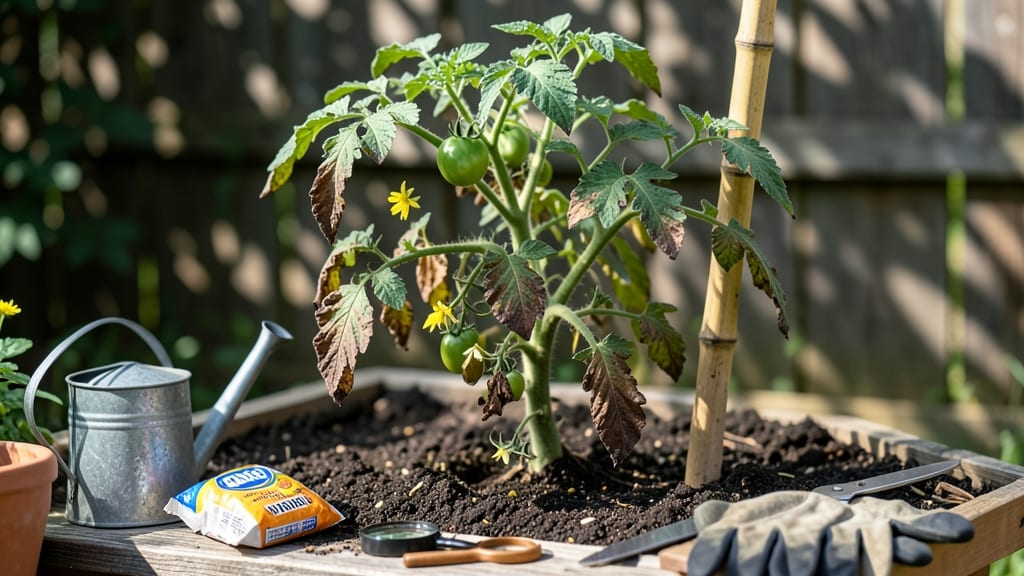
When your tomato plants start browning unexpectedly, it’s often a cry for help—especially from fungal blight. 🌱 I’ve seen this happen three times in my garden, and each time, a simple copper spray saved the season. The key is acting fast before the disease spreads to the fruit.
Most browning stems from overwatering, but fungal blight (like early blight or septoria) causes dark, crispy spots that spread upward. Check the undersides of leaves—if you see yellowing or brown patches with concentric rings, that’s your clue. Copper spray creates a protective barrier that stops spores in their tracks.
Within a week of treatment, new growth stays green and healthy. The trick is applying the spray at the first sign of trouble, then repeating every 7-10 days until harvest. Proper spacing and mulching also keep air circulating and soil moist—but not soggy.
This method works for both container and in-ground tomatoes, and it’s safe for edibles once the spray dries. Let’s get those plants back on track!
Root Causes Behind Browning Leaves
When your tomato plants start showing browned leaves, stems, or fruit, it’s usually a cry for help from the plant itself. Understanding the underlying causes is the first step to saving your harvest.
Below, we break down the most common reasons why tomato plants turn brown—and what’s really going on in the soil, air, and plant cells.
Tomatoes are tropical plants at heart, and they hate extreme conditions. Browning can occur when environmental factors push them beyond their comfort zone.
- Heat or Cold Shock:
Tomatoes thrive in temperatures between 60–85°F (15–29°C). When nights dip below 50°F (10°C) or days soar above 90°F (32°C), leaves may develop brown edges or crispy spots. This is often called physiological browning—the plant’s cells literally dehydrate or freeze, leading to tissue death.
Pro Tip: 🌡️ Use shade cloth in peak summer or row covers in early spring to buffer temperature swings.
- Windburn:
Strong, dry winds strip moisture from leaves faster than roots can replace it. This causes necrotic browning (dead tissue) on leaf edges, especially in young or delicate varieties like cherry tomatoes.
Pro Tip: 🏡 Plant tomatoes near windbreaks (like corn or tall grasses) or use burlap wind screens.
- Sun Scorch:
When tomatoes get too much direct sun after being shaded (e.g., moving from a greenhouse to full sun), leaves can develop bleached or brown patches. This is common in greenhouse-grown plants suddenly exposed to harsh afternoon rays.
Pro Tip: ✨ Acclimate plants gradually to full sun over 7–10 days.
Water is the lifeblood of tomatoes, but too much or too little can trigger browning. The key is consistency—tomatoes despise dry feet or soggy roots.
- Underwatering (Drought Stress):
When soil dries out, roots can’t supply enough water, causing leaves to curl, wilt, and turn brown from the edges inward. This is often called scorch and affects older leaves first.
Pro Tip: 💡 Water deeply 1–2 inches per week (check soil moisture 1 inch below the surface—if dry, it’s time to water). Drip irrigation is best to avoid wetting leaves.
- Overwatering (Root Rot):
Soggy soil cuts off oxygen to roots, leading to fungal infections like Phytophthora or Pythium. Brown, mushy stems and yellowing leaves are red flags. Overwatering also dilutes nutrients, weakening the plant’s defenses.
Pro Tip: ⏰ Use a moisture meter or the "squeeze test"—if soil stays clumped when pressed, it’s too wet. Ensure pots have drainage holes.
- Salt or Chemical Burn:
Hard water (high in calcium/magnesium) or fertilizers can build up in soil, causing brown leaf tips or margins. This is common in hydroponic systems or areas with poor drainage.
Pro Tip: 🌊 Flush soil with 2–3 inches of water monthly to leach out salts. Use rainwater or distilled water if possible.
Brown spots, lesions, or patches that spread rapidly are almost always caused by pathogens. Unlike environmental stress, these issues worsen over time and can destroy your crop if untreated.
- Early Blight (Alternaria solani):
This fungal disease starts with brown, concentric-ring spots on lower leaves. As it progresses, stems may develop target-like lesions. Early blight thrives in humid, warm conditions and spreads via infected plant debris.
Pro Tip: 🔥 Remove infected leaves immediately and apply copper fungicide (like the one mentioned in this article) every 7–10 days.
- Late Blight (Phytophthora infestans):
A more aggressive cousin of early blight, late blight causes greasy, brown spots with white mold on both leaves and fruit. It spreads rapidly in cool, wet weather and can destroy plants in weeks.
Pro Tip: 🌡️ Space plants for airflow and avoid overhead watering. Copper sprays or baking soda mixtures (1 tbsp baking soda + 1 tsp soap per gallon of water) can help.
- Bacterial Spot (Xanthomonas perforans):
This bacterial disease creates small, water-soaked brown spots with yellow halos. Unlike fungi, bacterial spots are permanent—once a leaf is infected, it’s a goner.
Pro Tip: 🎯 Sterilize pruners with rubbing alcohol between cuts and remove infected leaves before they fall to the ground.
Some browning isn’t from disease or stress—it’s from tiny mouthparts. Pests like to feast on tomato leaves, leaving behind ragged, browned edges or holes.
- Spider Mites:
These microscopic pests suck plant sap, causing stippled, bronze-brown leaves (especially on the undersides). Severe infestations make leaves look dusted with pepper.
Pro Tip: 🌿 Blast leaves with water to knock them off, or use neem oil (1 tsp per quart of water). Release predatory mites for long-term control.
- Tomato Hornworms:
These giant green caterpillars can devour entire leaves overnight, leaving behind skeletons of browned veins. Look for their black droppings on leaves.
Pro Tip: 🔪 Handpick them (they’re easy to spot!) or introduce parasitic wasps (like Cotesia congregata).
- Aphids:
Clusters of aphids on new growth can cause leaves to curl and brown as they drain sap. They also excrete honeydew, which attracts sooty mold (a black fungal film).
Pro Tip: 👨🍳 Spray with soapy water (1 tsp mild soap per quart) or introduce ladybugs.
Brown leaves can also signal that your tomatoes aren’t getting the right nutrients. Unlike environmental stress (which affects all leaves evenly), deficiencies often show up in specific patterns.
Sym
How to Revive and Prevent BrowningNow that you know the root causes behind your tomato plants browning—whether it’s fungal blight, environmental stress, or nutrient deficiencies—it’s time to take action. Below, we’ve mapped out practical, step-by-step solutions tailored to each issue, plus prevention tips to keep your plants thriving. Let’s get those tomatoes back to their vibrant best! 🌱🍅 Fungal diseases like early blight or late blight are the most common culprits behind browning leaves and spots. Here’s how to stop the spread and restore your plants: 🔥 Step 1: Prune Infected Areas Immediately
🍳 Step 2: Apply Copper Fungicide (The Game-Changer) Copper-based sprays create a protective barrier that prevents fungal spores from germinating.Here’s how: - 🛒 Choose a ready-to-use copper fungicide (like Bordeaux mixture, copper sulfate, or fixed copper sprays). - 🌡️ Apply in the early morning or late evening (avoid direct sunlight to prevent leaf burn). - 💦 Spray thoroughly on both sides of leaves, stems, and even the soil around the base (fungi lurk there too!). - 📅 Reapply every 7–14 days or after heavy rain (copper washes off). > 🌡️ Step 3: Improve Air Circulation & Reduce Humidity Fungi love moist, stagnant air.Break the cycle with: - 🌬️ Space plants 18–24 inches apart (crowding = fungal paradise). - 💨 Use a fan on low setting for 1–2 hours daily to dry leaves faster. - 🌧️ Water at the base (not overhead) and avoid evening watering (leaves need time to dry).🧹 Step 4: Sterilize Tools & SoilIf browning stems from heat, cold, or improper watering, these fixes will revive your plants fast:💧 Fix Watering Woes (Too Much or Too Little)
🌡️ Protect from Extreme TemperaturesBrowning leaves can signal lack of key nutrients. Here’s how to diagnose and fix them:
> 💡 Pro Tip: Test your soil (kits cost ~$20) to know exactly what’s missing. Adjust pH if needed—tomatoes thrive in 6.0–6.8 pH.Once your plants recover, lock in their health with these long-term strategies:By following these targeted fixes, your tomato plants should bounce back stronger—and you’ll be on your way to a bountiful, blight-free harvest**! 🍅🌟Frequently asked questions about tomato plant browning
1
Why are my tomato leaves turning brown but staying crispy instead of wilting?Crispy brown leaves are often a sign of fungal blight (like early or late blight) or environmental stress like heat or windburn. Check for brown spots with concentric rings—this is classic early blight. If leaves are dry and brittle but not mushy, it's likely physiological browning from extreme temperatures or low humidity.
2
Can I still save my tomato plants if the browning has spread to the stems?If the browning is fungal (like blight), act fast! Prune infected stems immediately with sterilized tools and apply copper fungicide every 7-10 days. For severe cases, you may need to remove entire branches. If it's environmental (like sunscald), provide shade and recover within 1-2 weeks. The key is catching it early—once stems rot, the plant may not recover.
3
Is it safe to eat tomatoes from plants with brown leaves?Only if the browning is environmental (like heat stress) and hasn't reached the fruit. If fungal disease (blight) has spread to leaves, the fruit may still be safe to eat—but remove any affected leaves first. Never eat tomatoes from plants with mushy stems (root rot) or blackened fruit (late blight). When in doubt, inspect the undersides of leaves for signs of disease.
4
Why does my tomato plant have brown spots but no other symptoms?Isolated brown spots could be bacterial spot (small water-soaked marks) or aphid damage (ragged edges). Check the undersides of leaves for tiny pests or sticky residue (honeydew). If spots have yellow halos, it's bacterial—remove infected leaves immediately. For aphids, spray with soapy water or neem oil.
5
How do I know if my tomato plant needs more water or less?Check the soil 1 inch below the surface—if it's dry, water deeply. If it's soggy, reduce watering. Brown edges from underwatering appear on older leaves first, while overwatering causes yellowing between leaf veins and mushy stems. Use your finger as a moisture meter: if soil feels like a damp sponge, it's fine; if it's bone-dry or clumpy, adjust accordingly. |
|---|