
Companion Plants
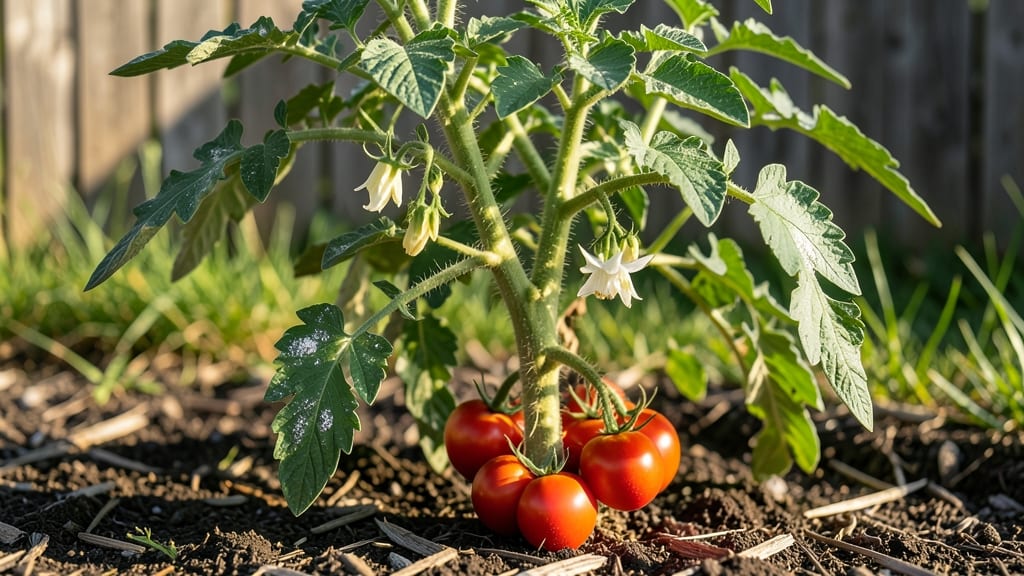
That fuzzy white growth creeping up your tomato stems isn't just unsightly—it's Sclerotinia sclerotiorum, the white mold that can kill your plants before they bear fruit. 🌱 I've lost entire vines to this stubborn fungus, but I've also learned how to stop it in its tracks and save what's left of your harvest.
The problem starts with damp stems and crowded foliage, giving mold spores the perfect place to land and multiply. You'll spot the classic white, cottony patches first on lower leaves, then spreading up the stem like a slow-motion takeover.
The good news? Once you recognize it, you can act fast to prune infected areas and give your plants a fighting chance.
With the right approach—removing infected stems, improving airflow, and applying organic fungicides—you'll see new growth pushing through within 10-14 days. The remaining tomatoes will ripen sweeter than ever, and next season, your plants will start stronger with preventive care.
This works for both garden beds and containers, and the same principles apply to peppers and eggplants too. Let's turn that white menace into a lesson for healthier vines all season long.
Root Causes of Stem Fungal Spread
When you spot that telltale white, fuzzy mold creeping up your tomato plant stems, it’s not just a random bad luck moment—it’s a wake-up call from nature. This fungal menace, often Sclerotinia sclerotiorum or Botrytis cinerea, thrives under specific conditions that turn your garden into its perfect playground.
Understanding these triggers is your first line of defense. Let’s break down the science behind why your tomato stems become a fungal buffet.
Fungi love moisture like a desert loves rain—it’s their lifeline. When humidity hovers above 75% for prolonged periods, spores germinate and spread rapidly. Even worse? Sclerotinia thrives in cool, damp conditions (50–75°F), while Botrytis prefers warm, humid nights (60–80°F). Here’s how it happens:
- Poor air circulation: Dense plantings or crowded vines trap moisture, creating a greenhouse effect. Think of it like a sauna for fungi—ideal for growth.
- Overhead watering: Splashing water onto leaves and stems (especially in the evening) gives spores a free ride straight to your plant’s wounds or weak points.
- Morning dew + no sun: If your tomatoes don’t get direct sunlight to dry off, dew lingers, turning stems into fungal breeding grounds.
💡 Pro Tip: Aim for 12+ hours of sunlight per day and water at the base in the morning to let foliage dry by nightfall.
A healthy tomato plant is like a fortress with guards—strong stems, resistant skin, and a robust immune system. But when stress weakens these defenses, fungi walk right in. Common culprits:
- Nutrient deficiencies: Low potassium or calcium makes stems brittle and prone to cracks (entry points for fungi). Yellowing leaves? That’s your plant screaming for help.
- Physical damage: Pruning wounds, hail, or even windburn create open doors. Fungi exploit these like burglars casing a house.
- Over-fertilizing with nitrogen: Too much N promotes lush, soft growth that’s delicious to fungi. Balance is key—think 10-10-10 or 5-10-10 fertilizer ratios.
- Root stress: Compacted soil, poor drainage, or root-bound plants can’t absorb nutrients efficiently, leaving stems vulnerable.
🌡️ Quick Fix: Test your soil’s pH (aim for 6.0–6.8) and amend with compost or aged manure to boost immunity. Avoid fresh manure—it’s a fungal feast!
Fungi don’t just appear out of thin air—they hitchhike. Spores from infected plant debris, neighboring crops, or even compost piles can linger in your garden for years. Here’s how they invade:
- Infected plant material: Leaving behind tomato stems, leaves, or old mulch from last season? Those sclerotia (hard, survival pods) can wake up and infect new plants.
- Wind and water spread: Spores travel on breezes or rain splashes, landing on healthy plants like cosmic invaders.
- Tool contamination: Pruners, stakes, or gloves used on infected plants can transfer spores to healthy ones. Sanitize tools with 70% alcohol between uses!
✨ Prevention Hack: Practice crop rotation—don’t plant tomatoes (or related nightshades like peppers/eggplants) in the same spot for 3+ years. Also, sterilize garden beds with solarization or baking soda (1 tbsp/gallon of water) to kill dormant spores.
Your garden’s cleanliness directly impacts fungal outbreaks. Neglect creates the perfect ecosystem for mold:
- Debris buildup: Mulch, weeds, or fallen leaves create microclimates where fungi thrive. Think of it as a fungal hotel with all the amenities.
- Monoculture planting: Growing only tomatoes in a bed weakens soil diversity and spreads disease faster. Fungi specialize in feasting on one host.
- Improper pruning: Leaving dead or diseased branches on the plant gives fungi a foothold. Always prune below the infection and dispose of clippings in the trash (not compost).
🔥 Action Step: Remove all infected plant material immediately and compost only healthy, disease-free debris in a sealed bin to heat-kill pathogens.
Now that you know the why, the next step is what to do. Stay tuned for actionable fixes to save your tomato crop!
Fixing Fungal Foes on Tomato Stems
White mold—also known as sclerotinia sclerotiorum—can feel like a death sentence for your tomato plants, but don’t panic! With the right approach, you can save your vines, restore health, and prevent future outbreaks.
Below, we’ve mapped out practical solutions tailored to the root causes of white mold, from immediate fixes to long-term prevention. Let’s get your tomatoes back on track!
Cause: Fungal spores thrive on decaying plant matter. Fix:
- 🔪 Snip it out: Use sterilized pruners (wipe with rubbing alcohol between cuts) to remove any stems, leaves, or fruit showing white mold. Cut at least 1 inch below the affected area to ensure you’re removing hidden spores.
- 🗑️ Dispose properly: Do NOT compost infected plant debris—bag it and toss it in the trash (or burn it if possible) to prevent reinfection.
- 🌬️ Air it out: After pruning, space plants wider (if possible) to improve airflow—fungi love humidity!
Pro Tip: 💡 If the mold has spread to the main stem, you may need to remove the entire plant to stop the spread. Sad but necessary!
Cause: Existing spores need a chemical or natural barrier to stop spreading. Fix:
- 🧴 Organic options:
- Baking soda spray: Mix 1 tsp baking soda + 1 tbsp vegetable oil + 1 tsp mild soap per quart of water. Spray early in the morning (avoid direct sunlight to prevent leaf burn). Reapply every 7–10 days.
- Neem oil: A natural fungicide and spore inhibitor. Use a 1% solution (1 tbsp neem oil + 1 tsp mild soap per gallon of water). Spray weekly until the mold is gone.
- 💊 Chemical fungicides (for severe cases):
- Captan or chlorothalonil (e.g., Daconil) are effective against sclerotinia. Follow label instructions carefully—overuse can harm beneficial insects.
- Avoid copper-based sprays—they can burn tomato leaves and disrupt soil microbes.
Pro Tip: 🌡️ Timing is key! Apply fungicides at dawn or dusk when humidity is high but temperatures are cooler (below 85°F). This gives the treatment time to work before the sun evaporates it.
Cause: Weak or stressed plants are easier targets for fungi. Fix:
- 💧 Water wisely:
- Water at the base (not overhead) to keep leaves dry. Wet foliage = fungal paradise.
- Use drip irrigation or soaker hoses to reduce splashing.
- Water early in the day so leaves dry quickly.
- 🌱 Strengthen roots:
- Side-dress with compost or a balanced fertilizer (10-10-10) to encourage healthy growth.
- Avoid over-fertilizing with nitrogen—it promotes leafy growth at the expense of fruit, making plants more susceptible to stress.
- 🌿 Companion plants to the rescue:
- Plant garlic, onions, or marigolds nearby—they repel fungi and improve soil health.
- Avoid planting tomatoes in the same spot year after year (crop rotation helps!).
Pro Tip: ✨ Silica-rich treatments (like kelp meal or liquid seaweed) can strengthen cell walls, making plants more resistant to fungal attacks.
Cause: White mold returns if conditions stay favorable (high humidity, poor airflow, old debris). Fix:
- 🌡️ Monitor weather conditions:
- Avoid planting tomatoes in low-lying areas where cool air settles (fungi love 60–70°F nights).
- Use row covers in early season if your area has high humidity or frequent rain.
- 🧹 Clean up thoroughly:
- Remove all plant debris from the garden after harvest.
- Solarize the soil (cover with clear plastic for 4–6 weeks in summer) to kill sclerotia (fungal survival structures).
- 🌱 Rotate crops:
- Never plant tomatoes, peppers, or eggplants in the same spot two years in a row.
- Plant disease-resistant varieties like ‘Mountain Merit’ or ‘Celebrity’ tomatoes—they’re bred to fight fungi better.
Pro Tip: 🎯 Mulch smartly! Use straw or grass clippings (not wood chips) to prevent soil splashing onto stems. Keep mulch 2–3 inches away from the stem to reduce moisture buildup.
If your tomato plant is already too far gone, focus on saving nearby plants:
- Isolate infected plants immediately (place them in a separate bag and remove from the garden).
- Quarantine tools—sterilize pruners and gloves after use.
- Consider replanting with a fast-maturing variety if the season allows.
Final Thought: 🌱 White mold is manageable—don’t let it ruin your harvest! By acting fast, improving airflow, and preventing future risks, you’ll give your tomatoes the best shot at a healthy, productive season. Now go forth and save those stems! 🍅💪
Frequently asked questions
Can I still save my tomato plant if the white mold has spread to the main stem?
Unfortunately, if the white mold (likely Sclerotinia) has reached the main stem, the plant is usually beyond saving. The fungus will continue spreading through the vascular system, killing the entire plant. Your best move is to remove it immediately—cut the stem at the base, bag the entire plant, and dispose of it in the trash (not compost). This stops the spread to nearby plants.
How do I tell if the white mold is Sclerotinia or just powdery mildew?
Sclerotinia (white mold) typically appears as a fluffy, white, cottony growth that often starts at the stem base or wounds, while powdery mildew looks like a white, powdery coating on leaves. Sclerotinia also causes stem rot and wilting, whereas powdery mildew usually doesn’t kill the plant. Check for black sclerotia (hard, survival pods) in the mold—those confirm Sclerotinia.
Will copper spray work for white mold on tomato stems?
Not a good idea! Copper-based sprays can actually burn tomato leaves and disrupt beneficial soil microbes. For white mold, stick to baking soda spray (1 tsp baking soda + 1 tbsp oil + 1 tsp soap per quart of water) or neem oil (1% solution). If the infection is severe, use chlorothalonil (Daconil), but follow label instructions carefully.
Can I still eat tomatoes from a plant with white mold?
Only if the fruit itself is completely free of mold. Remove any tomatoes that have visible white growth or are near infected areas. The mold spores can contaminate healthy fruit, so when in doubt, toss the questionable ones. Focus on saving the remaining healthy tomatoes by pruning infected stems immediately and improving airflow around the plant.
How long does it take to see results from fungicide treatments?
With consistent application, you should see improvement within 7–14 days. Organic options like baking soda or neem oil may take longer (up to 2–3 weeks) to fully control the spread, while chemical fungicides like chlorothalonil can show faster results (within 5–7 days). The key is repeated applications—don’t stop after one treatment!