
Planting
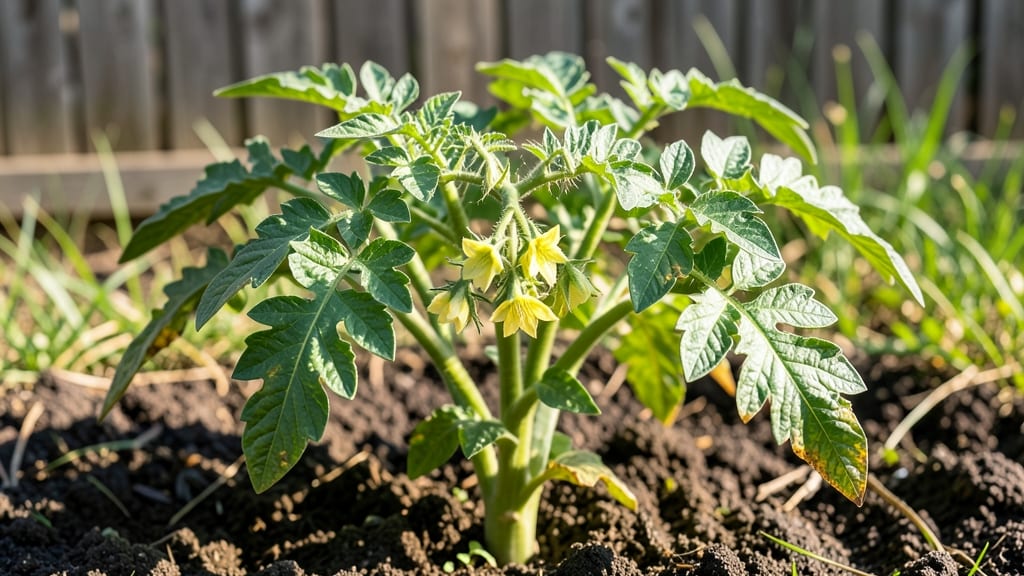
To grow a large tomato plant, select tall-growing heirloom or indeterminate types like 'Sungold' or 'Beefsteak,' support them with strong trellises, and prune suckers regularly to channel energy upward. Deep, consistent watering and balanced fertilization further boost vine size and fruit production.
Your tomato's ultimate size starts with genetics—indeterminate varieties like 'Beefsteak' can grow 10+ feet tall, while heirlooms often produce heavier fruit. 🌱 The key is balancing growth with care: prune aggressively in early seasons to strengthen stems, and use sturdy bamboo stakes or wire cages to prevent toppling.
I've seen 20-pound tomatoes from properly supported plants, but neglect leads to sprawling vines with smaller yields. The right soil mix (rich in compost) and morning sunlight make all the difference.
💡 In This Article
- Genetic Factors Behind Giant Tomato Varieties
- Pruning and Support Techniques for Towering Tomatoes
Genetic factors behind giant tomato varieties
The size difference between giant tomato varieties and smaller types begins with their genetic makeup. Indeterminate tomatoes, like 'Beefsteak' or 'Mammoth,' carry genes that allow them to grow continuously throughout the season, reaching heights of 10-15 feet or more.
Their vines produce new leaves and flowers at each terminal bud, unlike determinate varieties that stop growing after a set number of leaves. This continuous growth habit is controlled by specific alleles in the Solanum lycopersicum genome that regulate plant hormones like auxin and gibberellins, which promote vertical expansion.
Heirloom tomatoes often outsize commercial hybrids because they retain more genetic diversity, including traits for larger fruit and thicker cell walls. For example, the 'Brandywine' variety can produce 1-pound tomatoes with complex flavors, while commercial cherry tomatoes are bred for smaller size and uniform ripening.
The trade-off? Heirlooms typically take longer to mature and require more care. 🌱 Genetic studies show that fruit size in tomatoes is influenced by at least 12 different genes, including those controlling cell division and expansion during development.
When comparing 'Mammoth' varieties to cherry tomatoes, you're looking at two extremes of the same species. Mammoth types like 'Arkansas Traveler' focus energy on fewer, larger fruits, while cherry tomatoes like 'Sungold' produce hundreds of small berries.
The key difference lies in their growth patterns: Mammoth varieties grow taller and require more support, while cherry tomatoes often grow as compact bushes. This genetic diversity means you can choose based on your goals—whether it's a single massive tomato or a continuous harvest of bite-sized fruit.
Soil composition also interacts with these genetic traits. Tomatoes grown in nutrient-rich, well-draining soil with 6.0-6.8 pH will express their genetic potential better than those in poor soil. For instance, adding compost and aged manure can increase fruit size by up to 30% in ideal varieties.
The right genetic foundation combined with optimal growing conditions creates the perfect storm for giant tomatoes.
What most gardeners don't realize is how temperature affects genetic expression. Cooler nights (60-65°F) during flowering can reduce fruit set in some varieties, while consistent warmth above 75°F encourages rapid vine growth.
This is why southern climates often produce larger tomatoes—longer growing seasons allow indeterminate varieties to reach their full genetic potential.
For those aiming for giant tomatoes, start with open-pollinated seeds from reputable sources. Hybrid seeds may produce consistent results but often lack the size potential of heirlooms. The right genetic foundation is your first step toward growing tomatoes that could weigh 2 pounds or more each.