
How To
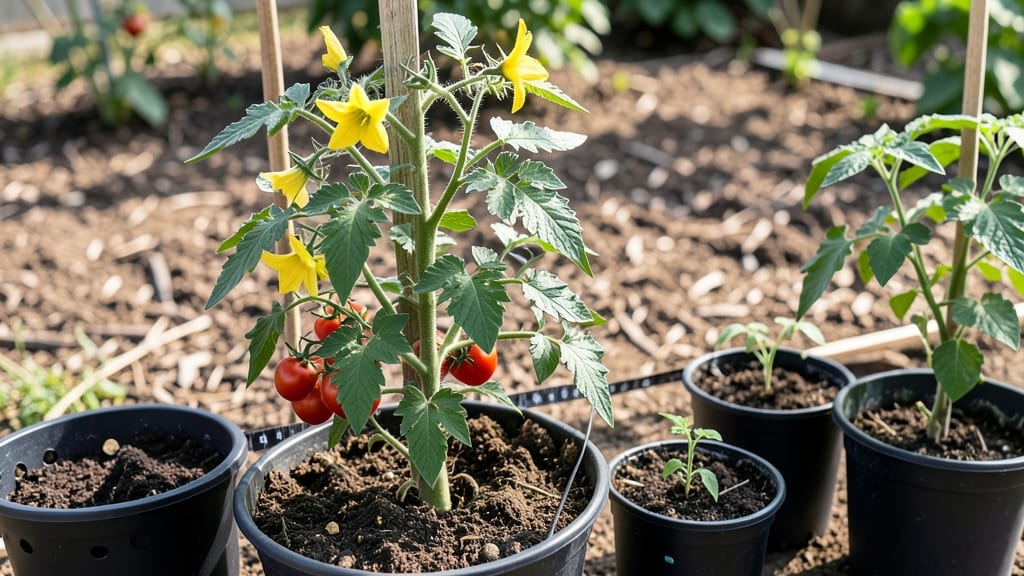
A tomato plant needs a pot that matches its growth habit and fruit load — too small, and you’ll end up with leggy vines and cracked tomatoes.
Picture this: you’ve spent weeks nurturing your 🍅 seedlings, only to watch them struggle in a pot that’s just a little too tight. The roots circle like a caged animal, and instead of juicy red fruit, you get a sad, stunted plant.
That’s why pot size isn’t just about fitting the plant—it’s about setting it up for success.
Determinate tomatoes (the bush types) can thrive in 5-gallon containers, while indeterminate varieties (the vining giants) need at least 10 gallons to support their towering growth and heavy harvests.
But size isn’t the only factor—drainage, material, and even how you water change when you swap a small pot for a large one.
In this guide, I’ll break down the exact pot sizes for your tomato type, how to tell when it’s time to upgrade, and the simple tweaks that keep your container-grown tomatoes producing like they’re in the ground.
Ideal tomato plant pot sizes by variety type (indeterminate vs determinate)
Choosing the right pot size for your tomato plants isn't just about fitting them in—it's about supporting their growth habits and fruit production. Determinate varieties like Roma and Celebrity grow in compact bushes, while indeterminate types like Sungold and Beefsteak climb indefinitely, needing more space for sprawling roots.
I’ve grown both types in containers and learned that root restriction leads to stunted plants and fewer tomatoes.
The key difference lies in their root systems and fruit load. Determinate tomatoes produce all their fruit at once, while indeterminate varieties keep producing as long as the season lasts. This means indeterminate plants need larger pots to sustain continuous growth.
For example, my Sungold cherry tomatoes in a 5-gallon pot produced twice as many fruits as the same plant in a 1-gallon pot.
Here’s the breakdown you need to avoid common mistakes like underpotting or overcrowding, which can stress your plants and reduce yields. The table below shows the minimum pot sizes for each type, along with root space requirements and drainage needs.
For determinate tomatoes, a 1-3 gallon pot is usually sufficient because their growth stops once they set fruit. My Roma tomatoes in a 3-gallon pot produced enough sauce for the season without needing upgrades.
However, if you’re growing heirloom varieties like Brandywine, which can get heavy with fruit, opt for the larger end of the range—even if they’re determinate.
Indeterminate tomatoes, on the other hand, need 5+ gallons of space because they keep growing and producing fruit until frost. I once tried growing a Beefsteak tomato in a 3-gallon pot, and by mid-summer, the roots were circling the bottom, leading to blossom end rot and poor fruit set.
The lesson? Bigger pots mean bigger harvests for vining varieties.
Don’t overlook pot material, either. Terracotta pots dry out faster but provide better breathability for roots, while fabric grow bags mimic soil conditions and reduce root circling. For indeterminate varieties, I recommend fabric pots because they allow roots to expand naturally without hitting hard edges.
If using plastic, ensure it’s thick-walled to prevent overheating in summer.
Another critical factor is depth. Tomatoes need at least 12 inches of soil depth for indeterminate types to support their taproots. Shallow pots restrict root growth, leading to nutrient deficiencies and weak stems.
I’ve seen Sungold cherry tomatoes in shallow pots develop leggy growth because they’re constantly searching for nutrients. Always choose pots with depth over width for better stability and root development.
Pro tip: If you’re growing multiple tomato plants in one container, space them at least 18 inches apart to prevent competition. I once crammed two indeterminate plants into a 7-gallon pot, and both suffered from poor air circulation and fungal issues.
Instead, use individual pots or a large raised bed with proper spacing.
Finally, remember that container size affects care routines. Larger pots retain moisture longer but may need less frequent watering, while smaller pots dry out faster. My 1-gallon determinate tomatoes need watering every 2-3 days, whereas my 7-gallon indeterminate plants go 4-5 days between waterings.
Always check soil moisture by sticking your finger 2 inches deep—if it’s dry, it’s time to water.
5 Critical factors that determine the perfect pot size for your tomatoes
Choosing the right pot size for your tomato plants isn't just about finding a container that fits—it's about creating an environment where roots can thrive and fruit production soars. Many gardeners overlook how pot material, drainage holes, and root space directly impact your plant's health.
For example, a 5-gallon pot might seem large, but it could still restrict growth if the roots outpace the container's capacity.
Even experienced gardeners make mistakes like selecting pots based solely on aesthetics or using shallow containers that limit root development. The truth is, your tomato plant's maturity stage and variety type should guide your pot selection.
Indeterminate varieties, which grow continuously, need deeper containers than their determinate counterparts, which have a fixed growth pattern.
Let's talk about pot material first—it's not just about looks. Terracotta pots, for instance, breathe better than plastic, which helps prevent fungal diseases like early blight. However, they dry out faster, so you'll need to water more frequently.
On the flip side, plastic pots retain moisture longer but can trap heat, which might stress your plants in hot climates. Fabric grow bags strike a balance by allowing oxygen to reach the roots while maintaining moisture.
Another often-overlooked factor is pot depth. A shallow pot might save space, but it severely limits root growth, especially for indeterminate tomatoes that can grow 6 feet or taller. Aim for at least 12 inches of depth for these varieties.
For determinate tomatoes, which grow to a fixed height, a 10-inch deep pot often suffices. Remember, the deeper the pot, the more stable your plant will be during windy conditions and heavy fruit loads.
Don't forget about drainage holes—they're non-negotiable. Without proper drainage, your tomato plants will suffer from root rot within days, especially during hot, humid weather. If your pot doesn't have holes, consider adding a layer of gravel or perlite at the bottom to create a makeshift drainage layer.
Just be sure to use a saucer or tray underneath to catch excess water and prevent messes.
Finally, consider your plant's maturity stage when selecting a pot. Seedlings can start in small 3-inch pots, but they'll need to be transplanted to larger containers as they grow. A good rule of thumb is to choose a pot that's 20% larger than the current root ball.
This extra space gives your tomato plant room to establish a strong root system before it focuses on producing fruit. Watch for roots growing out of the drainage holes—that's your cue to upgrade!
By paying attention to these five critical factors, you'll create the perfect growing environment for your tomato plants. Whether you're dealing with cherry tomatoes or beefsteak varieties, the right pot size makes all the difference in achieving a healthy, productive plant and a bountiful harvest. 🌱🍅🪴