
Plants
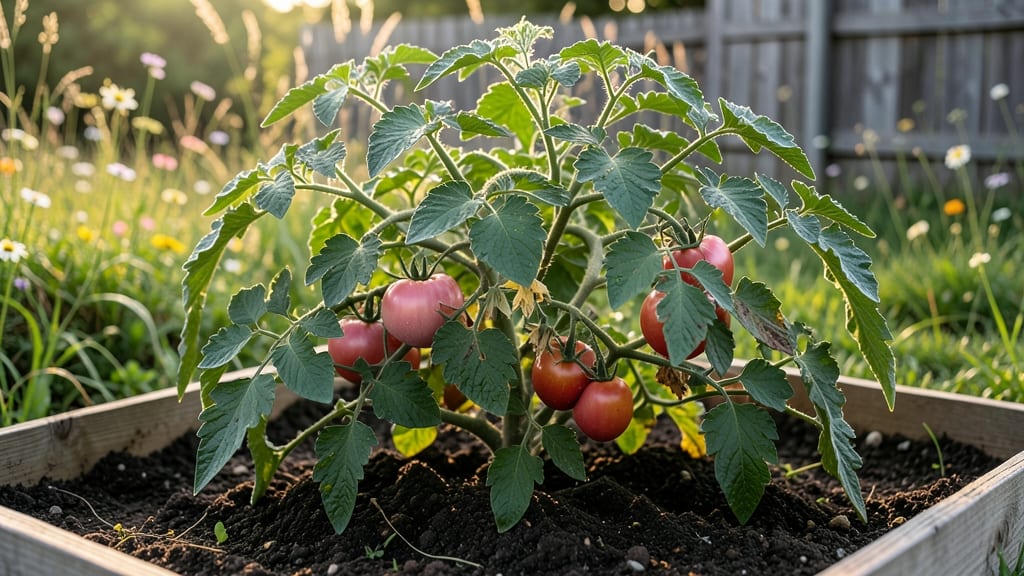
A full-grown beefsteak tomato plant 🍅 can produce pound-sized fruits—but only if you prune it right. That’s the difference between a vine bursting with juicy, heirloom tomatoes and one struggling under its own weight.
Picture this: You’ve waited months for those massive beefsteak slices, only to watch your plant’s energy drain into too many leaves instead of fruit. Without the right timing, you’re basically asking your tomato to choose between growing more branches or feeding the tomatoes you planted it for.
In this guide, I’ll walk you through the exact pruning schedule that keeps your beefsteak tomato thriving—from when to pinch those suckers to how often to trim as the season progresses. No guesswork, just proven tricks to turn your vine into a fruit-producing powerhouse.
You’ll also learn how to spot the three most common pruning mistakes that gardeners make (and how to fix them before it’s too late). Let’s get those beefsteaks growing like they’re supposed to!
Optimal pruning timeline for beefsteak tomatoes to boost fruit production
Beefsteak tomatoes thrive when you prune them at the right growth stages, not just when they look overgrown. These indeterminate varieties keep growing all season, so timing matters more than you might think.
Prune too early, and you stunt fruit production. Prune too late, and you risk blossom end rot or weak stems. The key is balancing vegetative growth (leafy vines) with reproductive growth (flower clusters).
Start by identifying your plant's growth stage—this determines whether you're encouraging more leaves or more fruit. In the vegetative stage (first 4-6 weeks), focus on shaping the vine. Once flowers appear, shift to fruit-focused pruning to maximize those heirloom-sized tomatoes.
My full-grown beefsteak plants hit their prime around 6-8 feet tall, but without strategic pruning, they'll waste energy on excess foliage instead of producing those pound-plus tomatoes.
Here's the science: Beefsteak tomatoes have compound leaves with multiple leaflets. Each leaf supports photosynthesis, but too many leaves create shade competition that reduces fruit set.
The goal is to maintain 3-5 main stems (for determinate types) or 1-2 main stems (for indeterminate varieties like beefsteak) while keeping the plant airflow-friendly to prevent disease.
During the vegetative stage (when your plant is 2-6 feet tall), focus on removing suckers—those small shoots that grow in the leaf axils between the main stem and branches. These suckers compete with your main stems for energy.
For beefsteak tomatoes, I remove 50% of suckers to maintain a balance. Leave the largest, healthiest ones to become new branches. Pro tip: If a sucker is larger than a pencil, it's time to prune—these will drain your plant's energy if left unchecked.
Once your plant hits 6 feet tall and starts flowering, shift your focus to fruit preservation. At this stage, I reduce pruning to every 2 weeks and only remove suckers that are larger than 6 inches.
The goal is to let the plant channel energy into those beefsteak-sized tomatoes (often 12+ ounces each). Over-pruning now can lead to bloss
Common beefsteak tomato pruning mistakes that kill yields (and how to fix them)
Your full grown beefsteak tomato plant is a powerhouse of potential, but pruning it incorrectly can turn that potential into wasted energy. Many gardeners unknowingly sabotage their harvests with 5 critical pruning mistakes that reduce both fruit size and quantity.
The key is understanding when and how to prune to maximize yields without stressing the plant.
Beefsteak tomatoes are indeterminate varieties, meaning they grow continuously and produce fruit all season long. This makes them particularly sensitive to improper pruning. Unlike determinate tomatoes that produce all their fruit at once, beefsteak tomatoes need careful management to balance vine growth and fruit production throughout their lifecycle.
Let’s tackle the most common pruning errors and how to recover your plant if you’ve already made them. These mistakes often lead to smaller tomatoes, fewer harvests, and even plant stress that invites pests and diseases.
The good news? Most of these issues can be corrected with the right approach.
⚠️ Warning: Over-Pruning Kills Yields!
Pruning more than 1/3 of your plant’s foliage at once can shock a full grown beefsteak tomato plant, causing it to divert energy away from fruit production. This mistake is especially common when gardeners try to "clean up" their plants too aggressively. Recovery tip: If you’ve over-pruned, stop immediately and focus on watering deeply and fertilizing lightly to help the plant recover.
One of the biggest mistakes is pruning at the wrong time of day. Pruning in the afternoon heat or evening humidity can leave cuts exposed to fungal infections like early blight.
Always prune in the morning when the plant is dry and the air is cool. This reduces stress on the plant and minimizes the risk of disease.
Aggressive suckering—removing too many side shoots—is another common error. While suckers (the small shoots that grow between the main stem and branches) can be removed to direct energy to fruit production, removing all suckers can weaken the plant.
Leave 1-2 suckers per branch to maintain a balance between growth and fruit set. If you’ve over-suckered, your plant may need extra support and a balanced fertilizer to recover.
Finally, ignoring the plant’s growth stage leads to poor pruning decisions. Early in the season, focus on pruning to encourage strong vine development. Once flowering begins, shift to light pruning to preserve fruit production.
If you’ve pruned too much during flowering, your plant may struggle to support its current fruit load. In this case, remove only the smallest flowers to reduce stress and help the plant recover.
By avoiding these 5 critical pruning mistakes, you’ll ensure your full grown beefsteak tomato plant produces the largest, healthiest tomatoes possible. Recovery is always possible with the right care—so don’t hesitate to adjust your approach if you’ve made a mistake. Your harvest will thank you! 🍅