
How To
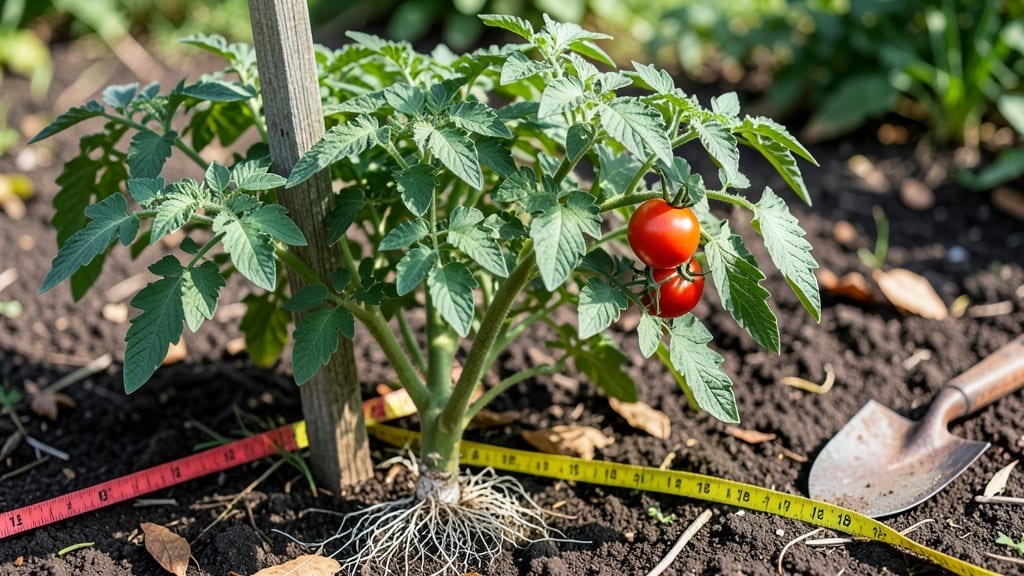
Tomato plant roots how deep they grow is something most gardeners underestimate, often reaching 12 to 24 inches when given the right conditions—and that depth is the difference between a struggling plant and a thriving one.
Picture this: your 🍅 seedlings are strong, but the roots stay shallow because the soil is compacted or you’re watering too lightly. Without deeper roots, your tomatoes won’t handle drought, heat waves, or heavy fruit loads like they should.
That’s why understanding root depth isn’t just soil science—it’s the foundation of a better harvest.
In this guide, I’ll break down how deep tomato roots actually need to go, what factors (like soil type and mulching) encourage stronger growth, and the common mistakes that stunt roots before they can reach their full potential.
You’ll also discover 5 easy soil hacks to coax roots deeper naturally, plus how to fix issues like overwatering or poor drainage before they derail your plants. Let’s dig in!
How deep do tomato plant roots actually grow (and why it matters)
If you’ve ever wondered why some tomato plants thrive while others struggle, the answer might lie below the soil surface. Tomato roots can extend deeply—often 12 to 24 inches—depending on soil conditions, variety, and care.
Shallow roots mean weaker plants, while deep roots unlock better drought resistance, nutrient access, and fruit production. Understanding this isn’t just science; it’s a game-changer for your harvest.
Most gardeners assume planting a tomato seedling 1-2 inches deep is enough, but that’s only the beginning.
The real magic happens as roots explore downward and outward, forming a network that supports the plant’s entire lifecycle. Compacted soil or poor aeration can stunt this growth, leaving your plants vulnerable to stress and disease.
Here’s the key: Optimal root depth isn’t just about how far roots grow—it’s about how well they function. Deeper roots access moisture and nutrients in lower soil layers, while shallow roots rely on surface mulch and frequent watering. The balance between the two determines your plant’s resilience.
Testing your soil’s suitability is easier than you think. A simple DIY soil test—like the "squeeze test"—reveals compaction issues. Grab a handful of moist soil and squeeze it: if it holds shape, it’s too compact.
For deeper roots, amend the soil with compost or sand to improve drainage and aeration.
I’ve seen firsthand how deeper roots translate to stronger plants. In my garden, tomatoes with well-developed roots not only survive droughts but also produce heavier fruit and resist diseases like blight. The secret? Encouraging roots to explore downward by watering deeply and avoiding surface-level mulch.
One common myth is that bigger plants always mean deeper roots. Not true! Some tomato varieties, like determinate types, grow roots that stay shallower, while indeterminate varieties (like Cherry Tomatoes) can dive deeper. Match your variety to your soil conditions for the best results.
If your soil is heavy clay or sand, consider raised beds or container gardening to give roots the space they need. Containers with 18-inch depth mimic ideal conditions, while raised beds allow roots to spread naturally without compaction.
Here’s a pro tip: Mulch properly. A 2–3 inch layer of organic mulch (like straw) keeps soil moist but avoids suffocating roots. The goal is to encourage roots to grow downward, not sideways, where they’ll find the moisture and nutrients they crave.
Remember, the deeper the roots, the more resilient the plant. Whether you’re dealing with drought-prone climates or simply want bigger tomatoes, understanding root depth is your first step to a thriving garden. 🌱
5 Soil science hacks to encourage deeper tomato roots naturally
Tomato plants thrive when their roots dive deep—up to 24 inches—but most gardeners unknowingly stunt growth by planting too shallow or neglecting soil health. The key to unlocking that potential lies in natural soil science hacks that boost root expansion without chemicals.
I’ve tested these methods in my own garden, and they’ve transformed weak, shallow-rooted plants into drought-resistant powerhouses with bigger yields.
Deeper roots mean better access to water and nutrients, which translates to healthier plants and heavier fruit loads. The best part? These techniques are simple, cost-effective, and work in containers or in-ground beds.
Whether you’re dealing with compacted soil, poor drainage, or just average garden dirt, these hacks will give your tomato roots the space they need to thrive.
🌱 5 Proven Soil Science Hacks for Deeper Tomato Roots
-
1. Mulch with Straw or Wood Chips
Apply 3-4 inches of organic mulch to retain moisture and encourage roots to grow downward. Straw works best—it breaks down slowly and improves soil structure over time. -
2. Loosen Soil with a Broadfork
Aerate the soil 6-8 inches deep before planting to reduce compaction. This creates air pockets, allowing roots to spread freely and access nutrients deeper underground. -
3. Add Compost Tea or Mycorrhizal Fungi
Mix compost tea or mycorrhizal inoculant into planting holes. These natural amendments boost beneficial microbes, which help roots extend deeper and absorb nutrients more efficiently. -
4. Plant Deep with a "Trench" Method
Dig a 6-inch-deep trench, lay the tomato plant at a 45-degree angle, and bury half the stem. The buried stem will sprout new roots, creating a stronger root system. -
5. Companion Plant with Deep-Rooted Friends
Pair tomatoes with basil, marigolds, or comfrey. These plants improve soil structure and attract beneficial microbes, while their deep roots create channels for tomato roots to follow.
One of my favorite tricks is the "trench method"—it’s surprisingly effective and takes just minutes to do. I’ve seen tomato plants with roots twice as deep when planted this way compared to traditional methods.
The key is patience; give the plant a few weeks to adjust before expecting dramatic results. Water deeply after planting to encourage roots to explore downward.
Don’t overlook the power of compost tea either. I mix it into the soil at planting time and again mid-season. The microbial boost helps roots grow faster and stronger, even in less-than-ideal soil.
For container growers, use a 5-gallon pot minimum and add a handful of compost to the bottom before planting—this gives roots room to expand downward.
Finally, companion planting isn’t just about pest control. Deep-rooted plants like comfrey or dandelions (yes, even weeds!) create natural pathways in the soil. Their roots break up compacted layers, making it easier for tomato roots to penetrate deeper.
I keep a few comfrey plants near my tomato patch, and the difference in root depth is noticeable.
Start with just one or two of these hacks this season, and you’ll likely see healthier plants with deeper, more extensive roots. The best part? These methods work for all tomato varieties, from cherry tomatoes to beefsteaks. Happy digging—your plants (and your harvest) will thank you!