
Planting
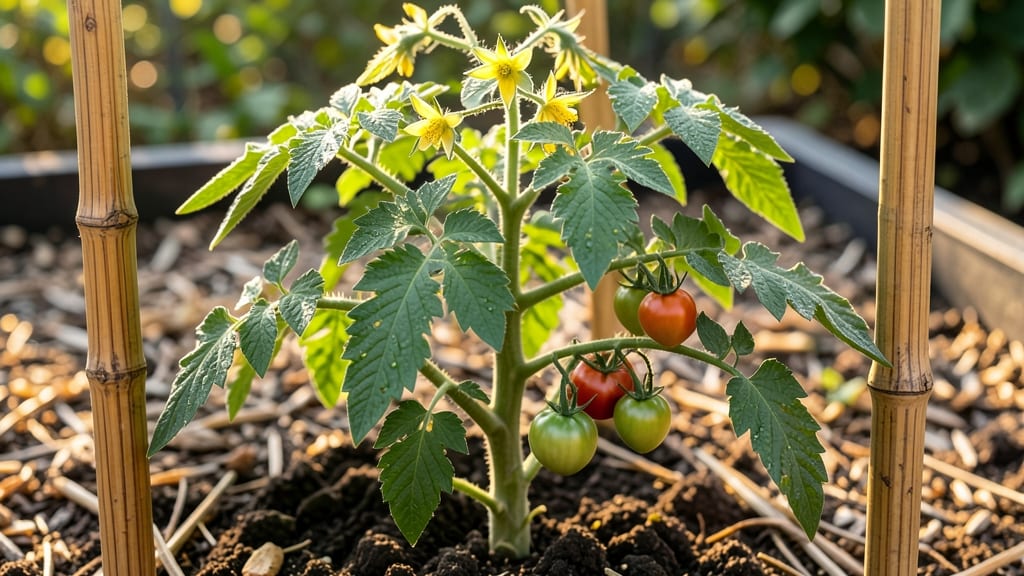
Your tomato plants shouldn’t look like floppy noodles by midsummer. 🌱 The secret to keeping them standing tall—without cages or staking every week—is understanding why they "spike" and how to reinforce their structure naturally.
After years of wrestling with sagging vines, I’ve perfected a system that keeps plants upright while still letting them grow strong.
The main culprits are weak stems from overcrowding, sudden wind gusts, or pests like hornworms chewing through the main stem. But even healthy plants need support as they get heavier with fruit.
The fix isn’t just tying them up—it’s about strategic pruning and gradual training so the plant grows into its own support system over time.
By the end of summer, you’ll have sturdy, self-supporting plants that don’t need constant propping. The key is starting early with lightweight, flexible supports (like bamboo stakes or tomato clips) and reinforcing them as the plant grows.
No more flopping—just neat, productive vines that hold up even under heavy tomato loads.
This works for determinate (bush) tomatoes too—just adjust the spacing and support type. Once you see how much easier harvesting becomes, you’ll never go back to floppy plants again. Let’s get those vines standing tall!
Understanding Plant Stress Triggers
When your tomato plants start developing spikes—those unsightly, floppy stems that droop like overcooked spaghetti—it’s usually a cry for help from the plant itself. These growth patterns aren’t just random; they’re often a response to environmental or cultural stressors.
Let’s break down the most common culprits and why they push your tomatoes to stretch, bend, or flop in the first place.
Tomato plants need room to breathe—not just above ground, but below it. When roots become cramped due to overplanting, compacted soil, or inadequate spacing, they struggle to absorb water and nutrients efficiently.
This forces the plant to elongate its stems in search of better access to sunlight, a phenomenon called etiolation. The result? Weak, spindly spikes that can’t support themselves.
Why it happens:
- Root competition: Too many plants in one spot force roots to fight for resources, stunting growth and weakening stems.
- Compacted soil: Heavy or clay-based soils restrict root expansion, limiting nutrient uptake and triggering upward growth.
- Improper spacing: Tomatoes need 18–24 inches between plants and 3–4 feet between rows to avoid root congestion.
Actionable fix: Loosen soil with compost or organic matter before planting, and space seedlings properly. If repotting, choose containers with at least 1–2 gallons of volume per plant to give roots room to spread.
Tomatoes are sun-worshippers—they thrive in 6–8 hours of direct sunlight daily. When deprived of adequate light, plants stretch their stems toward the nearest source (usually a window or the sky), creating those classic "leggy" spikes.
This isn’t just about height; it’s about survival. Weak stems = higher risk of snapping under fruit weight or wind.
Why it happens:
- Shade from structures: Fences, buildings, or even neighboring plants can block sunlight, causing uneven growth.
- Seasonal changes: Shorter daylight hours in early spring or late fall can slow photosynthesis, prompting vertical growth.
- Indoor growing: Grow lights too far away or with insufficient intensity mimic low-light conditions, triggering spikes.
Actionable fix:
- Rotate containers quarter-turns weekly to ensure even light exposure.
- Use reflective surfaces (like white walls or mirrors) to bounce light onto shaded areas.
- For indoor plants, position grow lights 6–12 inches above the canopy and use full-spectrum bulbs (10,000–15,000 Kelvin).
Watering is a delicate balance for tomatoes. Too little, and the plant conserves energy by slowing growth—but it also weakens stems to prioritize root development. Too much, and roots suffocate, leading to poor nutrient absorption and over-elongation as the plant gasps for oxygen.
Both extremes can result in those dreaded spikes.
Why it happens:
- Inconsistent moisture: Alternating between drought and overwatering stresses roots, causing erratic growth patterns.
- Poor drainage: Soggy soil (often from clay pots or lack of mulch) deprives roots of oxygen, forcing the plant to stretch upward.
- Surface watering: Shallow watering encourages roots to stay near the topsoil, leaving them vulnerable to drying out and triggering vertical spikes.
Actionable fix:
- Water deeply but infrequently—aim for 1–1.5 inches per week, delivered at the soil base.
- Use self-watering containers or drip irrigation to maintain consistent moisture.
- Add perlite or vermiculite to potting mix to improve drainage, and mulch with straw to retain even moisture.
Tomatoes are heavy feeders, but their nutritional needs shift as they grow.
A spike in growth (like sudden elongation) often signals an imbalance—whether it’s a surplus of nitrogen (promoting leafy growth at the expense of structure) or a deficiency in key minerals (like calcium or potassium) that weaken cell walls.
Why it happens:
| Nutrient Issue | Symptoms | Cause |
|---|---|---|
| Excess Nitrogen | Rapid leaf growth, but stems remain thin and prone to flopping. | Over-fertilizing with high-nitrogen feeds (like fresh manure or blood meal). |
| Calcium Deficiency | Weak stems that split or collapse; blossom-end rot in fruits. | Poor soil pH (<6.0), overwatering, or lack of calcium (e.g., no lime or crushed eggshells). |
| Potassium Deficiency | Yellowing leaf edges, weak stems, and poor disease resistance. | Leaching from overwatering or lack of potassium-rich amendments (banana peels, wood ash). |
Actionable fix:
- Test soil pH (aim for 6.2–6.8) and amend with lime if too acidic.
- Switch to a balanced fertilizer (e.g., 5-10-10) during fruiting stages to avoid nitrogen overload.
- Add calcium-rich supplements like crushed eggshells or gypsum, and use potassium sulfate for weak stems.
Tomatoes are warm-season plants, and extreme conditions—whether too hot, too cold, or too windy—can disrupt their growth patterns. Sudden temperature swings or gusty winds cause stems to elongate rapidly in an attempt to stabilize, leading to those telltale spikes. Additionally, wind can physically whip stems, weakening them over time.
Why it happens:
- Heat stress: Temperatures above 90°F (32°C) can scorch leaves, reducing photosynthesis and forcing the plant to prioritize vertical growth.
- Cold snaps: Nighttime temps below 50°F (10°C) slow growth, but inconsistent warmth can trigger erratic elongation.
- Wind exposure: Constant wind desiccates leaves and stems, causing plants to grow taller and thinner to avoid damage.
Actionable fix:
- Use shade cloth (30–50%) during peak summer heat or provide afternoon shade.
- Plant in sheltered locations (e.g., near fences or windbreaks)
Fixing floppy tomato plants naturally
If your tomato plants are developing spikes—those pesky, floppy stems that make harvesting a headache—don’t panic! With the right support and a few simple fixes, you can turn wobbly plants into sturdy, productive powerhouses. Below, we’ll tackle the most common causes of flopping tomato plants and provide easy, actionable solutions to keep them upright and thriving.
Tomato plants with excessive foliage or too many branches struggle to support their own weight, leading to those dreaded spikes. If your plants look like they’re reaching for the sky but can’t stand tall, it’s time to prune.
🔪 Step-by-Step Fix:
- 🌿 Trim the Top
- Use clean, sharp pruning shears to snip off the top 2–3 inches of the main stem. This encourages the plant to focus energy on strengthening existing branches rather than growing taller.
- 🍅 Prune Suckers (But Strategically!)
- Remove sucker growth (the small shoots that form in the leaf axils) to reduce strain. Leave 1–2 suckers near the bottom to promote bushiness, but prune aggressively higher up.
- 🌡️ Balance Leaf to Fruit Ratio
- If your plant is overloaded with leaves but few tomatoes, trim back some foliage to redirect energy to fruit production.
💡 Prevention Tip:
Prune regularly (every 1–2 weeks) during the growing season to prevent overgrowth. Aim for a balanced shape—think "open vase" rather than a dense bush.
Sudden downpours or gusty winds can knock tomato plants flat, causing stems to bend or break. If your plants look drowned in their own weight, they need immediate support.
🏗️ Quick Support Solutions:
- 🪵 Install Stakes or Cages Now
- If you haven’t already, drive 6-foot stakes into the ground near each plant (or use tomato cages for bush varieties). Secure the main stem with soft ties (like old T-shirts or gardening straps) to prevent rubbing.
- 🌪️ Reinforce with Windbreaks
- Place burlap screens or straw bales on the windward side of your garden to shield plants from gusts. Even a temporary shield can save your harvest!
- 💧 Improve Drainage After Heavy Rain
- If soil is waterlogged, mulch heavily with straw or wood chips to absorb excess moisture and prevent root rot, which weakens stems.
💡 Prevention Tip:
Plant tomatoes in well-draining soil and stake them early (before they get top-heavy). For container growers, use heavier pots or add rocks to the bottom for stability.
Too many tomatoes on one plant can cause stems to sag under the weight, especially in indeterminate varieties. If your plant looks like it’s bending over from exhaustion, it’s time to lighten the load.
🍅 How to Lighten the Load:
- 🍅 Harvest Frequently
- Pick tomatoes as soon as they ripen to prevent overburdening. Even green tomatoes can be removed if they’re slowing production.
- 🌿 Thin Out Fruit Clusters
- Leave 5–7 tomatoes per cluster (depending on variety) and prune the rest. This ensures the remaining fruit gets proper nutrients and support.
- 🌱 Fertilize Smartly
- Switch to a low-nitrogen, high-phosphorus fertilizer (like 5-10-10) to boost flowering and fruiting without excessive leafy growth.
💡 Prevention Tip:
For indeterminate varieties, prune aggressively early in the season to limit the number of fruit clusters. Determinate (bush) tomatoes naturally handle more weight—just ensure they’re in cages or stakes.
Extreme heat can cause tomato plants to wilt and flop, especially if they’re not getting enough water. If your plants look limp and exhausted, they need hydration and shade.
💦 Cooling & Hydration Fixes:
- 💧 Water Deeply in the Morning
- Soak the soil 6 inches deep every 2–3 days (more in extreme heat). Use drip irrigation to avoid wetting leaves, which can cause disease.
- ☀️ Provide Afternoon Shade
- Use shade cloth (30–50%) or temporary row covers to protect plants from midday sun. Even a white sheet draped over a frame works in a pinch.
- 🌿 Mulch to Retain Moisture
- Apply 2–3 inches of mulch (straw or grass clippings) to keep roots cool and soil moist.
💡 Prevention Tip:
Plant tomatoes in late spring or early summer (after the worst heat waves) or choose heat-tolerant varieties like ‘Heatmaster’ or ‘Solar Fire.’
If your tomato plant’s stem is soft, mushy, or discolored, pests (like aphids) or diseases (like fusarium wilt) may be to blame. Act fast to save the plant.
🚨 Emergency Treatment Steps:
- 🐜 Treat for Pests
- Spray with neem oil or insecticidal soap to kill aphids, whiteflies, or spider mites. Repeat every 5–7 days until pests are gone.
- 🌡️ Remove Infected Plant Parts
- If you see wilting, yellowing, or stem rot, prune affected areas below the damage with sterilized shears.
- 💧 Improve Airflow
- Space plants 18–24 inches apart and prune for better airflow to prevent fungal diseases like early blight.
💡 Prevention Tip:
Rotate crops annually to prevent soil-borne diseases. Use resistant varieties (like ‘Mountain Merit’ for fusarium wilt) and avoid overhead watering.
With these fixes, your tomato plants will stand tall, strong, and ready to produce bountiful, spike-free harvests. The key? Act early, provide support, and keep them healthy. Happy gardening! 🍅✨
Frequently asked questions
Why do my tomato plants develop these "spikes" or weak stems?
Those "spikes" are your plant's way of reacting to stress! Common causes include overcrowding (roots competing for space), insufficient sunlight (causing leggy growth), inconsistent watering, or nutrient imbalances. Even wind or sudden temperature swings can trigger this weak-stemmed growth pattern.
Can I still save a tomato plant with weak spikes?
Start by pruning to remove excessive foliage and suckers, then provide immediate support with stakes or cages. Water deeply but consistently, and add mulch to stabilize soil moisture. Most plants recover well with these adjustments—just act quickly before the stems get too weak.
What's the best way to support tomato plants with spikes?
For indeterminate varieties, use 6-foot bamboo stakes or tomato clips to gently secure the main stem without damaging it. For bush types, opt for sturdy cages. The key is to attach supports early (when plants are 12-18 inches tall) and tie with soft fabric—never wire.
How often should I prune to prevent spikes?
Prune every 1-2 weeks during the growing season to maintain a balanced shape. Focus on removing suckers (shoots in leaf axils) and trimming the top growth when stems exceed 3-4 feet
Will tomato spikes affect my harvest?
Yes, but not necessarily in a bad way! Weak stems may cause fruit to touch the ground (increasing rot risk), but proper support can actually improve yields by letting the plant focus energy on fruit production rather than struggling to stay upright. The key is balancing pruning and support to prevent overburdening.