
Plants
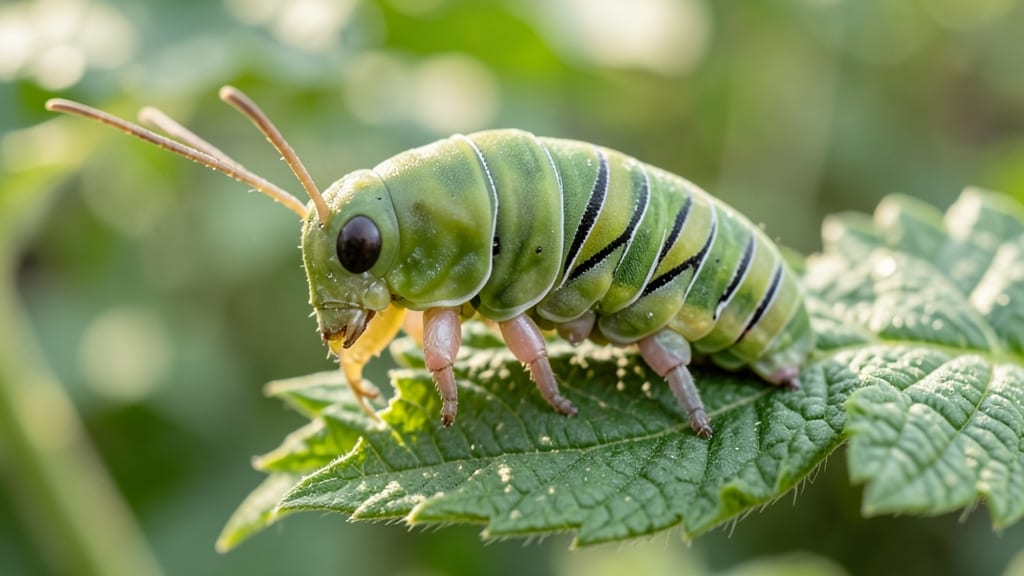
Tomato plant worms can turn your lush vines into a skeleton act in days. 🌱 I’ve watched healthy plants go from thriving to tragic because of these sneaky critters—hornworms, cutworms, and even squash vine borers—each leaving their own brand of destruction.
The good news? You don’t need chemicals to fight back. With the right organic tricks, you can save your harvest before the worms win.
First, learn their habits: hornworms munch leaves into lace, cutworms chew stems at soil level, and vine borers tunnel inside. The damage tells the story—wilting, holes, or plants that collapse like overcooked spaghetti.
The key is acting fast: handpick pests, use row covers, or introduce beneficial predators like ladybugs and parasitic wasps. These methods work because they mimic nature’s balance, not disrupt it.
Prevention is your best weapon. Plant basil or marigolds nearby to repel pests, and rotate crops yearly to starve out soil-dwelling larvae. Even a simple neem oil spray every two weeks keeps worms guessing.
Within a week, you’ll see fewer chewed leaves and more robust growth. The goal isn’t perfection—it’s resilience.
This works for home gardens, containers, or raised beds—no green thumb required. Start with one technique, track results, and adjust as needed. Your tomatoes will thank you with juicy, worm-free harvests all season long.
Hidden Invaders Behind Your Worms
When your tomato plants start looking ragged, chewed, or suddenly wilted, the culprits are often tiny but mighty pests. Understanding why these worms appear in the first place is the first step to stopping them before they devour your harvest.
Let’s break down the science—and the sneaky habits—that turn your thriving tomato plants into worm buffets.
Tomato plants thrive in space, but when they’re packed too closely together, you’re creating the perfect worm haven. Poor airflow and high humidity (thanks to dense foliage) make it easier for pests like hornworms, cutworms, and tomato fruitworms to hide, breed, and feast undetected.
Why does this happen? Worms and larvae love moisture and shade. When plants are crowded, morning dew lingers longer, and soil stays damp—ideal conditions for egg-laying.
Plus, thick canopies block sunlight, weakening plants and making them easier targets. Actionable fix: Space tomato plants 18–24 inches apart (or as recommended for your variety) to improve airflow and reduce hiding spots.
Healthy tomato plants are tougher to crack, but stressed or nutrient-deficient ones are like all-you-can-eat buffets for worms. Common stressors that weaken defenses include:
- Nutrient deficiencies (especially nitrogen or potassium): Worms detect stressed plants through volatile organic compounds (VOCs) released during stress.
- Overwatering or underwatering: Both disrupt root health, making plants more vulnerable to pests.
- Disease pressure (e.g., early blight or fusarium wilt): Damaged leaves and stems create entry points for worms.
- Improper pruning: Over-pruned plants have fewer leaves to photosynthesize, reducing their energy reserves.
Science note: Worms like the tomato hornworm use their keen sense of smell to locate plants with high levels of jasmonic acid, a chemical released when plants are under attack or stressed. Actionable fix: Test soil pH (aim for 6.0–6.8), fertilize with balanced organic matter (compost or worm castings), and water deeply but consistently.
Most tomato plant worms start life as tiny eggs laid by adult moths or beetles. Timing is everything: Eggs hatch when temperatures rise above 60°F (15°C) and humidity spikes—typically in late spring to early summer. But why do they pick your garden?
- Night-blooming flowers: Many tomato pests (like the tomato fruitworm) are attracted to the scent of night-blooming flowers, which they mistake for host plants.
- Nearby weeds or volunteer plants: Dandelions, purslane, and even wild tomatoes can serve as alternative hosts, allowing pests to multiply before moving to your crop.
- Lack of natural predators: Birds, parasitic wasps, and beneficial nematodes keep worm populations in check—but if your garden lacks biodiversity, pests thrive.
Actionable fix: Remove night-blooming weeds, install blacklight traps (moths are drawn to UV light), and encourage predator habitats like toad houses or bird baths.
Worms aren’t just random; they’re opportunistic and follow seasonal patterns. Here’s how climate affects their behavior:
| Season | Why Worms Strike | Common Culprits |
|---|---|---|
| Early Spring | Cool, damp soil speeds up egg hatching. Overwintering pests emerge. | Cutworms, slugs |
| Late Spring/Early Summer | Warm nights + high humidity = ideal breeding conditions. | Hornworms, fruitworms |
| Summer | Drought stress weakens plants, making them easier targets. | Colorado potato beetles, spider mites (indirect stress) |
| Fall | Migrating pests seek food before winter; ripe tomatoes are irresistible. | Fruitworms, armyworms |
Pro tip: Monitor your garden’s microclimate—shady spots or low-lying areas stay damp longer, creating worm hotspots. Actionable fix: Use row covers in early spring to block egg-laying moths, and mulch with straw or grass clippings to regulate soil moisture.
Now that you know why worms crash your tomato party, the next step is organic solutions to kick them out for good. 🚫🐛
Quick Fixes for Wriggly Tomato Problems
Once you’ve spotted the culprits—whether they’re hornworms munching like tiny dinosaurs or root-knot nematodes stealing nutrients—it’s time to act. The good news? You don’t need harsh chemicals to save your plants.
Below, we’ll tackle the most common tomato plant pests with organic, practical solutions tailored to the problem. Plus, we’ll share prevention tips to keep your garden worm-free for future harvests.
Cause: These green, striped bandits (tomato hornworms) can devour a plant overnight. Look for chewed leaves, black droppings, and half-eaten fruit.
How to Fix It:
- 🔥 Manual Removal (Best for Small Infestations)
- Morning or evening (when they’re sluggish), inspect leaves and stems.
- Grab and drop into soapy water—no squishing! (Their predators, like parasitic wasps, might still be lurking.)
- Pro tip: Wear gloves—some gardeners report hornworm poop stains are harder to remove than the worms themselves! 😅
- 🍳 Bacillus Thuringiensis (BT) Spray (Safe & Effective)
- BT is a natural bacteria that targets caterpillars but harms no other creatures (including bees!).
- Mix & spray on leaves every 7–10 days until the threat passes.
- Best for: Young caterpillars (older ones are harder to kill).
- 👨🍳 Plant Allies (Nature’s Pest Control)
- Ladybugs, lacewings, and parasitic wasps love hornworms. Attract them with:
- Dill, fennel, or marigolds (plant nearby).
- A shallow water dish with pebbles (for adult wasps to drink).
- Ladybugs, lacewings, and parasitic wasps love hornworms. Attract them with:
- 🥘 Row Covers (Preventative Shield)
- Lightweight fabric over seedlings blocks adults from laying eggs.
- Remove when flowers appear to allow pollinators in.
Cause: These microscopic worms twist roots, causing stunted growth, yellowing leaves, and poor fruit. Often no visible signs until it’s too late!
How to Fix It:
- 🔪 Soil Solarization (Kill Them with Heat)
- Clear the area, water deeply, then cover with clear plastic for 4–6 weeks in hot sun.
- Soil temps >104°F (40°C) cooks nematodes alive.
- Best for: Severe infestations (works best in dry climates).
- 🌡️ Beneficial Nematodes (Good vs. Evil Worms)
- Steinernema or Heterorhabditis nematodes hunt and kill root-knot nematodes.
- Apply at dusk (they avoid light) to moist soil around roots.
- Reapply every 4–6 weeks during growing season.
- 🎯 Resistant Tomato Varieties (Future-Proof Your Garden)
- Plant ‘Nemagold’, ‘Mountain Merit’, or ‘Defiant PhR’—bred to resist nematodes.
- Rotate crops (never plant tomatoes, peppers, or eggplants in the same spot two years in a row).
- 💡 Organic Soil Amendments (Weaken Their Grip)
- Compost + neem cake boosts beneficial microbes that outcompete nematodes.
- Avoid fresh manure—it feeds nematodes!
Cause: These sneaky chewers clip plants at soil level or leave slimy trails on fruit.
How to Fix It:
- ⏰ Beer Traps (Yes, Really!)
- Bury a shallow dish filled with beer near plants.
- Slugs & cutworms crawl in and drown overnight.
- Bonus: Works for snails too!
- 🔪 Collars & Barriers (Physical Blockade)
- Cardboard collars around seedlings stop cutworms from climbing.
- Copper tape around pots zaps slugs (they hate the electric shock!).
- 🌿 Diatomaceous Earth (DE) Dust (Natural Insecticide)
- Sprinkle food-grade DE around plants (avoid windy days—it’s harmless to you but deadly to soft-bodied pests).
- Reapply after rain (it loses potency when wet).
Once you’ve won the battle, lock in victory with these long-term strategies:
- 🌱 Crop Rotation: Never plant tomatoes, peppers, or eggplants in the same spot year after year.
- 🌿 Companion Planting: Basil, garlic, and onions repel pests while boosting tomato flavor.
- 🌡️ Healthy Soil = Strong Plants: Test soil pH (aim for 6.0–6.8) and add compost to strengthen plant defenses.
- 🕵️♂️ Early Scouting: Check plants weekly—catch worms early before they become a full-blown infestation.
Final Thought: With these organic tactics, you’ll outsmart worms without sacrificing your garden’s health. Happy harvesting—worm-free! 🍅✨
Frequently asked questions
What are the most common types of worms attacking tomato plants?
The top culprits are tomato hornworms (green with white stripes), cutworms (gray-brown larvae that chew stems at soil level), and root-knot nematodes (microscopic worms that twist roots). Fruitworms and squash vine borers also target tomatoes. Each leaves distinctive damage: hornworms create lace-like leaves, cutworms sever plants at the base, and nematodes cause stunted growth with gnarled roots.
How do I know if my tomato plants have worms vs. disease?
Worms leave physical signs: chewed holes, black droppings, or wilting plants with intact roots. Diseases like blight show yellow/brown spots, mold, or leaf curling without visible pests. Check stems for entry holes (vine borers) or slimy trails (slugs). If you see both damage and pests, you likely have a worm infestation combined with stress from their feeding.
Is it safe to eat tomatoes with worm damage?
Only if the damage is superficial (small holes on the outside). Remove any chewed fruit or fruit with visible worm trails—these can harbor bacteria from worm droppings. For severe infestations, discard affected fruit immediately. Always wash all tomatoes thoroughly before eating, even if they look perfect.
Can I use neem oil to prevent tomato plant worms?
Yes! Neem oil spray (mixed with water and a drop of dish soap) disrupts worm life cycles and deters egg-laying. Apply every 7-10 days at dusk when pests are active. It works best as a preventative—once worms are large, you’ll need to combine it with manual removal or Bacillus thuringiensis (BT) for young caterpillars.
How long does it take to see results from organic worm treatments?
Most methods show improvement within 3-7 days. Manual removal gives instant relief, while beneficial nematodes (for root-knots) or BT sprays take 5-10 days to fully take effect. For preventative measures like companion planting or row covers, benefits appear within 1-2 weeks as pests avoid treated areas. Consistency is key—treatments work best when applied regularly.