
Planting
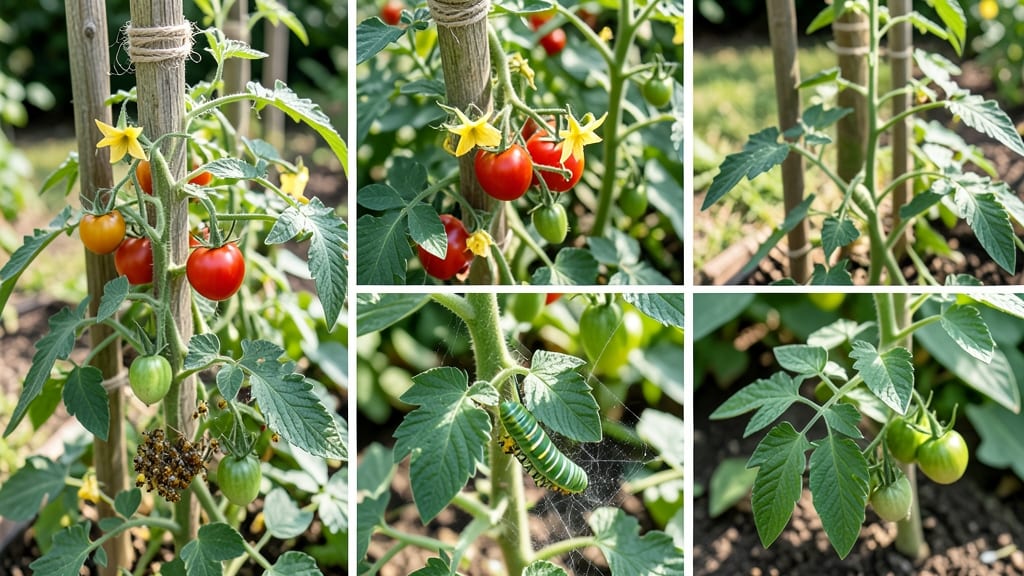
Seeing tiny holes in your tomato plant pests pictures? Those aren't random—each chew mark tells a story about the pest attacking your plants. This guide shows you exactly what to look for, from aphids clustering on new growth to hornworms stripping leaves overnight, with pictures to match the damage.
The good news is most tomato pests are easy to spot once you know what to watch for. Aphids leave sticky residue, hornworms create skeletonized leaves, and whiteflies flutter when you disturb the plant.
Each pest leaves a distinct signature, and knowing their habits lets you act fast before your harvest suffers.
You'll learn how to stop them organically—neem oil for aphids, handpicking for hornworms, and row covers for early-season prevention. The goal isn't just to eliminate pests but to create a garden where they can't get a foothold in the first place.
Works for backyard gardens, containers, or even a single plant on your patio. Let's get those tomatoes thriving again—without the unwanted guests.
Root Causes of Tomato Plant Pests
Understanding why pests target your tomato plants is the first step in protecting your harvest. These tiny invaders don’t just appear out of nowhere—they’re drawn by specific conditions that make your garden an all-you-can-eat buffet.
Let’s break down the real reasons your tomato plants are under siege, so you can take action before the damage spreads.
Tomatoes, like all plants, rely on natural defenses to fend off pests. When these defenses are compromised, insects and diseases move in like uninvited guests at a dinner party. Here’s why your plants might be vulnerable:
- Nutrient Deficiencies 🌱 Plants starving for essential nutrients—like nitrogen, phosphorus, or potassium—produce weaker stems, thinner leaves, and less robust fruit.
This makes them easier targets for pests like aphids, whiteflies, and spider mites, which thrive on stressed plants. - Example: Yellowing leaves (a sign of nitrogen deficiency) attract aphids, which feed on sap and spread viruses. - Actionable fix: Conduct a soil test and amend with compost or balanced fertilizer (like 10-10-10) to restore health.
- Overcrowded Growth 🌿🌿🌿 When tomato plants are too close together, airflow is restricted, and humidity levels rise.
This creates the perfect damp, shaded environment for fungal pests like early blight and late blight, as well as soft-bodied insects such as hornworms and cutworms. - Why it happens: Poor airflow slows down the drying of dew or water droplets, giving pests a moist playground to multiply. - Actionable fix: Space plants 18–24 inches apart and prune suckers to improve airflow.
- Improper Watering Practices 💦🚫 Overwatering or irregular watering stresses plants, making them susceptible to pests.
Wet foliage invites fungal diseases (like powdery mildew), while drought-stressed plants attract sap-sucking insects like whiteflies and thrips. - Why it happens: Overwatering weakens roots, while underwatering reduces turgor pressure, making plants less resilient. - Actionable fix: Water deeply at the base (1–2 inches per week) and avoid wetting leaves.
Use drip irrigation to keep foliage dry.
Pests don’t just appear—they’re lured by specific environmental conditions that signal an easy meal. Here’s what’s making your garden their favorite hangout spot:
- High Humidity & Heat 🌞💧 Warm, humid conditions accelerate the life cycles of pests like hornworms, tomato fruitworms, and fungal spores.
Heat also weakens plants, making them more attractive to feeding insects. - Example: Late summer heat waves often coincide with bacterial spot outbreaks, as warm, wet conditions perfect for bacterial growth. - Actionable fix: Use row covers to reduce humidity, and mulch to regulate soil temperature.
- Poor Soil Health 🌍🐛 Compacted, nutrient-poor, or overly acidic soil attracts pests that thrive in stressed conditions.
For instance: - Root-knot nematodes flourish in sandy, poorly drained soil. - Cutworms hide in thick mulch or dense plant debris. - Actionable fix: Test soil pH (aim for 6.0–6.8) and improve drainage with organic matter like compost or coconut coir.
- Lack of Beneficial Predators 🐞🐝 A balanced garden ecosystem keeps pests in check.
When you disrupt this balance—through overuse of pesticides or monoculture planting—pests like aphids and whiteflies multiply unchecked. - Why it happens: Broad-spectrum pesticides kill ladybugs, lacewings, and parasitic wasps, which naturally control pests. - Actionable fix: Encourage pollinators and predators by planting marigolds, basil, or dill nearby.
Avoid chemical sprays; opt for neem oil or insecticidal soap instead.
Sometimes, the problem isn’t nature—it’s us! Common gardening errors can unintentionally invite pests. Here’s how:
- Bringing Infested Plants Home 🛒🌱 Purchasing infected seedlings or transplants is a fast track to pest problems. Common culprits include: - Whiteflies on new plants. - Spider mites hidden in leaf axils. - Actionable fix: Inspect new plants thoroughly before transplanting.
Quarantine them for a week to monitor for pests.
- Ignoring Crop Rotation 🔄❌ Planting tomatoes (or other nightshades like peppers and eggplants) in the same spot year after year leaves behind pest eggs, larvae, and diseases in the soil.
- Why it happens: Soil-borne pests like nematodes and verticillium wilt build up over time.
- Actionable fix: Rotate crops annually and avoid planting nightshades in the same bed for at least 3 years.
- Skipping Regular Inspections 👀🕵️♂️ Many pests, like hornworms or aphids, start small and explode in population if left unchecked. A quick weekly check can save your harvest. - Actionable fix: Spend 10 minutes weekly flipping leaves and checking stems.
Look for holes, chew marks, webbing, or sticky residue (honeydew).
Pro Tip ✨: The key to pest prevention is proactive care. Healthy plants in the right conditions are far less appealing to invaders. Start with soil health, proper spacing, and consistent monitoring—and you’ll send pests packing before they even arrive!
Fixing Tomato Plant Pests Naturally
When pests invade your tomato plants, quick action is key—but don’t reach for harsh chemicals right away! Most common tomato pests can be controlled with simple, eco-friendly methods. Below, we’ve mapped out the best fixes for each troublemaker, plus tips to keep your plants thriving long-term. 🌱🛡️
Fix: Handpick and remove them—it’s the fastest way to stop the damage!
- 🔥 Step 1: Scout your plants in the morning (hornworms are sluggish then).
- 👨🍳 Step 2: Drop them into a bucket of soapy water (no need to feel guilty—they’re nature’s pests too!).
- 🥘 Step 3: Introduce parasitic wasps (like Cotesia congregata)—they lay eggs in hornworms and naturally control their population.
💡 Prevention Tip: Plant basil, dill, or marigolds nearby—hornworms avoid these strong scents!
Fix: Knock them off with a strong spray, then disrupt their life cycle.
- 🔪 Step 1: Spray plants with a soapy water mix (1 tsp mild dish soap + 1 quart water).
- 🌡️ Step 2: Use a hose blast to wash them away (aphids hate water pressure!).
- ✨ Step 3: Attract ladybugs (their natural predators) by planting cosmos or yarrow.
💡 Prevention Tip: Aphids love new growth—prune regularly to reduce their favorite snack spots!
Fix: Boost humidity and use natural miticides.
- 💦 Step 1: Increase air moisture with mulch or a light misting (mites thrive in dry conditions).
- 🍳 Step 2: Spray with neem oil (1 tbsp neem oil + 1 quart water + a drop of dish soap).
- 🎯 Step 3: Release predatory mites (like Phytoseiulus persimilis) for long-term control.
💡 Prevention Tip: Yellow sticky traps catch mites early—place them near plants!
Fix: Trap and suffocate them with DIY solutions.
- 🕯️ Step 1: Use yellow sticky cards to catch adults.
- 🔥 Step 2: Spray with soapy water (focus on undersides of leaves).
- 🌿 Step 3: Cover plants with floating row covers to block new infestations.
💡 Prevention Tip: Reflective mulch (like aluminum foil) confuses whiteflies and keeps them away!
Fix: Improve airflow and treat with organic fungicides.
- 🌬️ Step 1: Prune plants for better air circulation.
- 💧 Step 2: Water at the base (avoid wetting leaves).
- 🍄 Step 3: Spray with baking soda mix (1 tsp baking soda + 1 quart water + a drop of soap).
💡 Prevention Tip: Rotate crops yearly to prevent soil-borne diseases!
Most tomato pests can be beaten without chemicals—just stay vigilant and act fast! For stubborn cases, combine methods (like handpicking + natural sprays) for the best results. 🚀🍅
Frequently asked questions
How do I tell if the damage in my tomato plants is from pests or disease?
Pest damage usually has distinct chew marks, holes, or sticky residue (like honeydew from aphids), while diseases often show as spots, powdery coatings, or wilting without visible holes. Check the undersides of leaves—pests like whiteflies or mites hide there, while fungal diseases (like blight) appear as brown/black patches. If you see tiny insects or eggs, it's pests.
Can I use the same pictures to identify pests on other plants like peppers or eggplants?
Most tomato pests (hornworms, aphids, whiteflies) also attack peppers and eggplants, so the visual guides work for those too! However, some pests like tomato fruitworms are specific to tomatoes. Always check for similar damage patterns (chewed leaves, webbing, or spots) and compare with pest pictures.
What’s the fastest way to confirm if I have spider mites without a magnifying glass?
Hold a white sheet of paper under the plant and shake it gently—tiny red or yellow specks (mites) will fall onto the paper. You’ll also see fine webbing between leaves. For confirmation, check for stippled (speckled) leaves, which are a classic mite symptom. A damp paper towel pressed against leaves can reveal their presence too.
Are there any tomato pests that actually help my plants?
Yes! Ladybugs and lacewings eat aphids, while parasitic wasps target hornworms and caterpillars. Even ground beetles hunt cutworms and slugs. These "good guys" are nature’s pest control—plant marigolds or dill nearby to attract them!
What should I do if my tomato plant is already heavily damaged by pests?
If over 50% of leaves are gone, focus on saving the fruit: prune damaged foliage, handpick pests, and treat with neem oil. For severe cases, remove the plant entirely to prevent spread. If roots are intact, healthy new growth can still produce tomatoes—just monitor closely and protect remaining leaves with row covers.