
Companion Plants
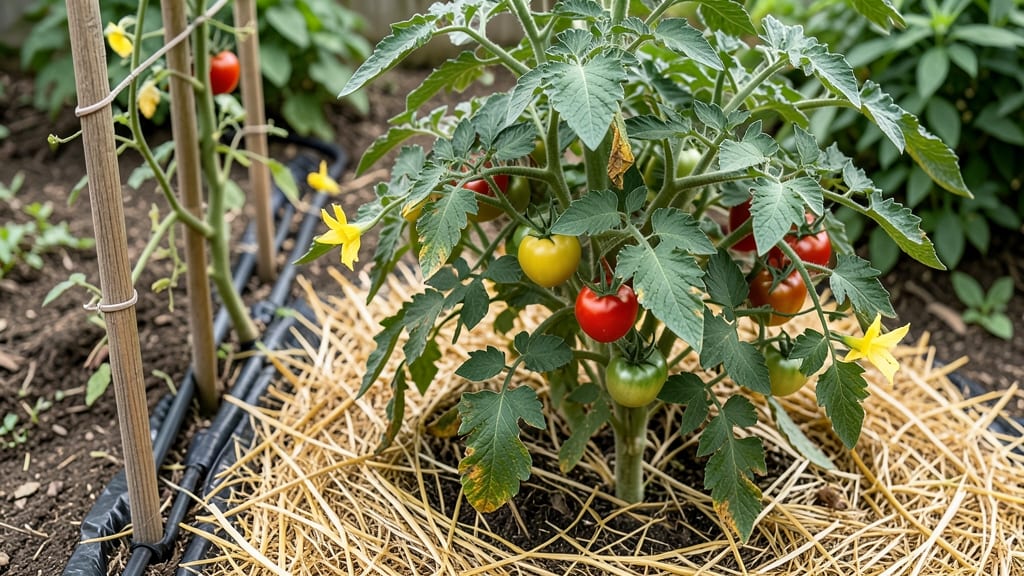
Hot weather turns tomato vines into wilting messes if you don't adjust your care routine. 🌞 I've lost entire plants to afternoon sun and dry soil, but these strategies keep mine producing through July and August—sometimes even into September.
The key is mimicking their natural environment: deep watering that keeps roots cool, mulch to retain moisture, and afternoon shade when temperatures hit 90°F+. Heat-resistant varieties like 'Solar Fire' or 'Heatmaster' handle the stress better, but even regular tomatoes recover with the right approach.
You'll notice stronger stems, fewer dropped blossoms, and fruit that ripens evenly. The plants stay lush and green instead of crispy at the edges, and yields remain surprisingly high even when it's scorching outside. This works for container tomatoes too—just use larger pots and check moisture more often.
Let's save your plants from the heat!
📚 In This Guide
- What you need
- Instructions
- Tips and common mistakes
- Wrapping up and next steps
What you need
- ● Heat-tolerant tomato varieties: 3–5 plants (e.g., 'Solar Fire,' 'Heatmaster,' or 'Arkansas Traveler').
- ● Well-draining potting mix: 10–20 lbs (for containers) or amend garden soil with compost (5–10 lbs per 10 sq ft).
- ● Organic mulch: Straw or shredded leaves (2–3 inches thick) to retain moisture.
- ● Drip irrigation system: 50–100 ft tubing + emitters (or a watering can with a long spout).
- ● Shade cloth (30–50% coverage): 4x6 ft panels for temporary relief during peak heat.
- ● Garden trowel or transplanter: For planting seedlings.
- ● Pruning shears: To trim suckers and damaged foliage.
- ● pH test kit: To monitor soil acidity (ideal: 6.0–6.8).
- ○ Thermometer (optional): Soil/air thermometer to track heat levels.
- ● Fertilizer (balanced or calcium-rich): 10–20 lbs of 10-10-10 or calcium nitrate.
- ● 💡 Morning watering: Aim for 1–2 inches of water weekly (early AM to prevent evaporation).
- ● 🌡️ Reflective mulch: Use white plastic mulch to deflect sunlight (reduces soil temps by 10°F!).
- ● ✨ Companion plants: Pair tomatoes with basil, marigolds, or onions to deter pests and improve airflow.
Instructions for keeping tomato plants thriving in hot weather
Here’s how to protect your tomatoes from wilting and keep them producing through summer’s peak heat.
☀️ Step 1: Provide Strategic Shade During Midday Heat
When temperatures hit above 90°F, tomatoes shut down production and may drop flowers. Install shade cloth (30-50%) over plants between 10 AM and 4 PM—this blocks 20-30% of sunlight without cutting off airflow. I drape mine over hoops or trellises, securing edges with clothespins. Avoid full shade; tomatoes still need 6+ hours of direct sun daily for fruit set.
Watch for wilting leaves by noon—this is your cue to act. If leaves feel crispy to the touch, shade is insufficient. Move the cloth closer or add a second layer. Mulch with 2-3 inches of straw to keep roots cool; the soil should stay below 85°F at all times. Use a soil thermometer to check—roots overheat faster than you’d expect.
💧 Step 2: Water Deeply at the Right Times
Tomatoes need 1-2 inches of water per week, but morning watering is critical. Soak the soil deeply at the base (not overhead) between 6-8 AM—this prevents fungal diseases like blight that thrive in damp foliage. I use a soaker hose or drip irrigation to deliver water slowly over 30-45 minutes, ensuring it penetrates 12+ inches deep. Wet soil should feel damp 6 inches down—stick your finger in to test.
Never let the soil dry out completely, but avoid soggy conditions. Wilting in the afternoon means you’re not watering deeply enough. If you see blossom-end rot (black spots on fruit), it’s a sign of inconsistent moisture. Adjust your schedule so the top 2 inches of soil dry out between waterings, but never let the roots bake.
✂️ Step 3: Prune and Support for Better Airflow
Heat stress worsens when air can’t circulate. Prune suckers (the small shoots in the leaf axils) to reduce competition for water and energy. Keep 1-2 main stems per plant, cutting back any growth that crowds the central vine. I also remove lower leaves up to 12 inches from the ground—this improves airflow and prevents soil-borne diseases from splashing onto fruit.
Install strong stakes or cages to keep vines upright. Floppy plants trap heat against the soil, raising root temperatures. If your tomatoes are already sprawling, tie them to a trellis immediately—even a simple 3-foot bamboo stake works. Avoid plastic ties; they can girdle stems as plants grow. Use soft fabric strips or old T-shirts instead.
🌿 Step 4: Feed and Protect for Heat Stress
Heat exhausts nutrients faster, so side-dress with compost every 2-3 weeks once fruits set. I mix 1 cup of well-aged compost into the top 2 inches of soil around the base, keeping it 3 inches away from the stem. Avoid high-nitrogen fertilizers—they promote leafy growth at the expense of fruit. Instead, use a balanced 10-10-10 or tomato-specific fertilizer diluted to half-strength every 4-6 weeks.
Protect plants from heat spikes by misting leaves lightly in the early morning (not at night—this encourages disease). I also cover plants with wet burlap during heat waves above 95°F to create a cooling microclimate. Remove the cover by 10 AM to prevent fungal growth. Monitor for sunburn (white or yellow patches on fruit)—this happens when temps exceed 100°F. If it occurs, prune nearby leaves to shade the affected fruit.
⏰ Step 5: Harvest and Manage Fruit Set
Heat can cause blossom drop (flowers falling off without fruiting). To encourage even ripening, hand-pollinate by gently shaking plants once daily during dry, warm mornings. If humidity is high, use a small paintbrush to transfer pollen between flowers. Harvest green tomatoes early if a heat wave is forecast—let them ripen indoors in a paper bag with a banana (the ethylene gas speeds up the process).
Remove overripe or damaged fruit immediately—these attract pests and diseases. I also thin clusters to 3-5 tomatoes per stem to reduce competition for water. If your plants are struggling to set fruit, reduce shade slightly to encourage more sunlight exposure. The goal is balanced stress: enough shade to survive, but enough sun to produce. Adjust based on fruit color and leaf health—green leaves and pink blossoms mean you’re on track.
Tips & tricks for heat-resistant tomato care
Between us, the difference between thriving tomato plants and heat-stressed vines often comes down to these small adjustments—trust me, I’ve watched plants wilt after just one scorching afternoon.
Shade Timing is Everything: The 10 AM to 4 PM window is non-negotiable for shade placement, but here’s the secret: adjust based on your local sun path. If your garden gets intense afternoon sun, extend shade until 5 PM during heat waves. I test by watching leaves—if they’re crispy by noon, move the shade cloth closer or add a second layer. Remember, 30-50% shade blocks just enough sunlight while keeping those crucial 6+ hours of direct sun for fruit production.
Watering Hack for Deep Penetration: Those 30-45 minutes of soaker hose time aren’t just about duration—they’re about pressure. I’ve found that adding a second watering session at 6 PM during extreme heat (above 95°F) helps maintain moisture without encouraging fungal growth. The key is keeping that 6-inch depth damp—stick your finger in to test. If it’s dry beyond 2 inches down, you’re not watering deeply enough.
Pruning Strategy for Airflow: When pruning suckers in Step 3, I always keep one main stem per plant—this creates a strong central vine that handles heat better. Here’s what I learned the hard way: never remove more than one-third of the plant’s foliage at once—this shocks the plant and makes it vulnerable to heat stress. Also, use sterilized pruners to prevent disease spread, especially when working with crowded plants.
Heat Wave Emergency Kit: For those above 100°F days, I keep a bucket of water with a damp towel ready to drape over plants. This creates a cooling effect similar to wet burlap but without the fungal risk if removed by 10 AM. I’ve also had success with reflective mulch—aluminum foil or specialized reflective sheets placed around the base can reduce soil temperatures by upstrong>10°F while keeping roots cool.
Pro Tips for Tomato Plants In Hot Weather
- Between us, the difference between thriving tomato plants and heat-stressed vines often comes down to these small adjustments—trust me, I’ve watched plants wilt after just one scorching afternoon.
- Shade Timing is Everything: The 10 AM to 4 PM window is non-negotiable for shade placement, but here’s the secret: adjust based on your local sun path.
- Watering Hack for Deep Penetration: Those 30-45 minutes of soaker hose time aren’t just about duration—they’re about pressure.
Frequently asked questions
Got questions about keeping your tomato plants happy in scorching temperatures? You’re not alone—heat can turn even the hardiest gardeners into nervous nellys! Here are some of the most common concerns and quick fixes to keep your vines thriving.
Why do my tomato plants wilt in hot weather, even with plenty of water?
Wilting in heat isn’t always about thirst—it can signal heat stress or root damage. Overwatering (which causes soggy roots) or underwatering (leading to dehydration) are common culprits. Check soil moisture 2 inches deep; if it’s dry, water deeply in the early morning. Mulch heavily to retain moisture and shield roots from extreme temps.
What’s the best temperature range for tomato plants?
Tomatoes love 70–85°F (21–29°C) during the day and 60–70°F (15–21°C) at night. Above 90°F (32°C), they’ll slow down or stop producing. Use shade cloth (30–50%) during peak heat or opt for heat-tolerant varieties like ‘Solar Fire’ or ‘Heatmaster’. Avoid planting in full sun without protection.
Can I save my tomato plants if they’re already struggling in the heat?
Yes! Start with pruning—remove lower leaves to improve airflow and reduce transpiration. Drip irrigation (not overhead watering) keeps roots cool. If blossoms drop, try shading or a foliar spray of 1 tsp sugar + 1 quart water to boost energy. For severe stress, trim back vines to focus energy on recovery.
When is the best time to plant tomatoes in hot climates?
In sweltering zones, plant in early spring or late summer to avoid peak heat. Use black plastic mulch to warm soil faster in spring or straw mulch to insulate roots in fall. If you must plant mid-summer, choose fast-maturing varieties (50–60 days) and provide afternoon shade until roots establish.
Are there heat-resistant tomato varieties I should try?
Try these top picks for hot weather:
- ‘Celebrity’ – Disease-resistant and productive in heat.
- ‘Heatmaster’ – Handles temps up to 95°F (35°C).
- ‘Solar Fire’ – Bright red, heat-tolerant, and early-bearing.
- ‘Arkansas Traveler’ – Classic heirloom that thrives in Southern climates.
Wrapping up and next steps
Growing tomatoes in hot weather doesn’t have to be a challenge—it’s all about adaptation and care! With the right heat-resistant varieties, proper watering techniques, and smart companion planting, your vines can thrive even under the sun’s fiercest glare. 🌞
Now that you’re armed with the knowledge, take action!
Start by selecting the perfect tomatoes for your climate, then implement these tips to keep your plants happy and productive. Your garden—and your future harvests—will thank you! Ready to get growing? Explore more companion planting ideas to maximize your garden’s potential.