
Plants
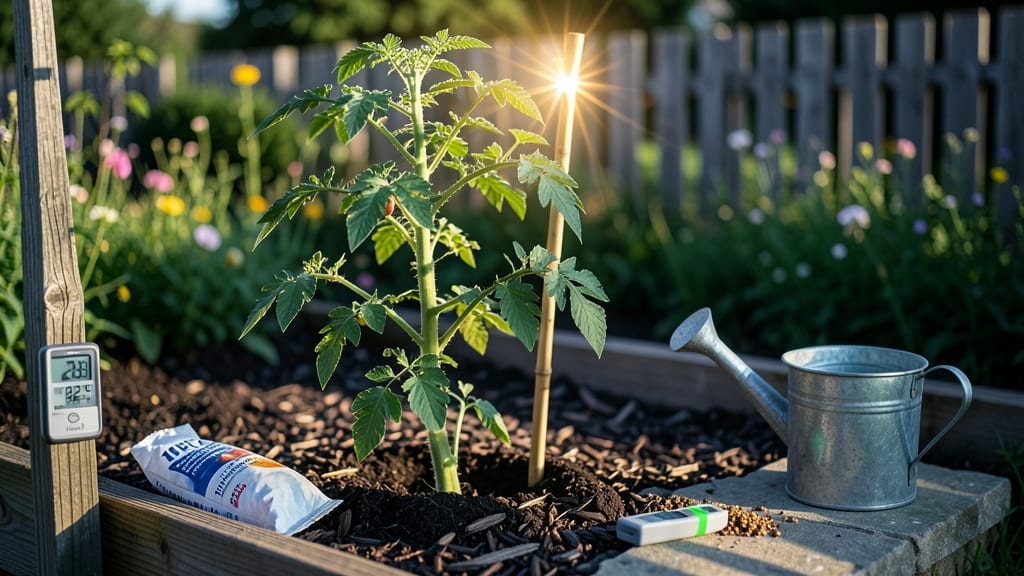
Tomato plants not flowering? That heartbreaking sight of lush green vines with zero fruit can happen to anyone—even after years of gardening. 🌱 The good news is that 90% of the time, it’s fixable with three key adjustments: light, temperature, and a little fertilizer tweak that most gardeners miss.
Most plants need 12+ hours of sunlight daily to trigger flowering, and temperatures between 55°F and 85°F are the sweet spot. Too much nitrogen (like from fresh manure) makes plants grow leaves instead of flowers, while too little potassium (the "flower fertilizer") starves the blossoms.
I’ve seen plants recover within 2-3 weeks after just one adjustment.
Start by checking your plant’s sunlight exposure—move it to a sunnier spot if needed. Then, switch to a balanced fertilizer (like 5-10-10) and avoid heavy watering right before blossoms form. Prune suckers aggressively to redirect energy toward fruit production.
Once you fix these three triggers, you’ll see flower clusters within 10-14 days. The best part? These same fixes prevent future blossom drop, so your next harvest will be even more reliable. Let’s get those tomatoes fruiting!
Root Causes Of Stalled Blooms
When your tomato plants refuse to flower, the issue usually boils down to a few key factors that disrupt their natural growth cycle. Understanding these triggers helps you take targeted action. Here’s why your plants might be holding back those critical blossoms:
Tomatoes are warm-season plants, and their flowering is highly sensitive to temperature and daylight. If conditions are off, they’ll prioritize leafy growth over fruit production.
- Too Cold: Tomatoes need consistent soil temperatures above 55°F (13°C) to trigger flowering. Below this, their metabolic processes slow down, delaying or preventing blossom formation.
Early spring or fall plantings in cooler climates often suffer from this. - Too Hot: While heat isn’t the direct culprit, extreme temperatures (above 90°F/32°C) can cause blossom drop—where flowers form but fall off before setting fruit.
This is common in high-desert or tropical regions. - Insufficient Light: Tomatoes require 6–8 hours of direct sunlight daily to flower. Shady spots or overcrowded plants will focus energy on leaves instead of blooms. Look for leggy, pale stems—a classic sign of light deprivation.
Pro Tip: 💡 Use a soil thermometer to monitor temperatures. If nights dip below 55°F, consider row covers or mulch to retain heat.
Flowering is a water-intensive process, and tomatoes are finicky about moisture and nutrients. Get it wrong, and your plant will stall at the vegetative stage.
- Inconsistent Watering: Tomatoes need deep, even watering (1–2 inches per week). Drought stress or sudden waterlogging can shock the plant, halting flower production.
Check for wilting leaves or cracked soil—both signs of poor hydration. - Over-Fertilizing Nitrogen: Too much nitrogen (the first number in NPK ratios) promotes leafy growth at the expense of flowers.
If your fertilizer is heavy on nitrogen (e.g., 10-5-5), switch to a balanced or phosphorus-rich formula (5-10-10 or 3-4-6) to encourage blooming. - Phosphorus Deficiency: Phosphorus (the middle number in NPK) is critical for flower development. Yellowing leaves with a purplish tint or stunted growth?
Your plant might be starving for P. Apply a bone meal or phosphate supplement to boost blooms.
Pro Tip: 🔥 Mulch heavily to retain moisture and reduce temperature swings, which stress plants and delay flowering.
Tomatoes are sensitive to disruption, and stress—whether from poor handling or competition—can derail their flowering schedule.
- Transplant Shock: Moving seedlings from nursery pots to the garden (or larger containers) can cause a growth pause as roots establish.
Avoid transplanting when temperatures are extreme, and harden off seedlings gradually by exposing them to outdoor conditions over 7–10 days. - Overcrowding: Plants competing for light, water, and nutrients will delay flowering.
Follow spacing guidelines: - Determinate varieties: 18–24 inches apart - Indeterminate varieties: 24–36 inches apart - Staked/caged plants: Prune lower leaves to improve airflow and reduce stress. - Root Bound or Small Containers: If growing in pots, roots circling the container or shallow soil can stunt growth.
Use containers at least 5 gallons for indeterminate tomatoes and 3–5 gallons for determinate types.
Pro Tip: ✨ Prune suckers (the small shoots in the leaf axils) to redirect energy to existing flowers, but avoid over-pruning—you still need foliage for photosynthesis!
Hidden threats like pests and pathogens can divert your tomato’s energy away from flowering. Keep an eye out for these culprits:
- Aphids, Whiteflies, or Spider Mites: These sap-sucking pests weaken plants by draining nutrients, often leading to stunted growth and fewer blooms. Look for sticky residue (honeydew) or yellowing leaves. - Fungal Diseases (Early Blight, Late Blight): Fungal infections cause leaf spots, wilting, or defoliation, stressing the plant.
Remove infected leaves immediately and apply copper fungicide preventatively. - Viral Infections (e.g., Tomato Mosaic Virus): Spread by aphids, these viruses cause mottled leaves and stunted growth, often fatal. Remove infected plants immediately to prevent spread.
Pro Tip: 🎯 Neem oil or insecticidal soap can help manage pests early. For fungal issues, water at the base (not overhead) to reduce spore spread.
Key Takeaway: Most flowering failures stem from environmental mismatches, nutrient imbalances, or stress. Address the root cause (literally and figuratively), and your tomatoes will reward you with a bounty of blossoms!
Quick Fixes for Stubborn Tomato Flowers
Reviving your tomato plants and encouraging those elusive blooms starts with pinpointing the root cause—and acting fast. Below are practical, step-by-step solutions tailored to the most common triggers, plus prevention tips to keep your plants thriving. Let’s get those flowers (and future tomatoes!) back on track.
If your tomatoes are struggling with temperature stress, they’ll drop blossoms like it’s their job. Luckily, this is one of the easiest fixes—just tweak the environment.
🔥 Fix for Heat Stress (Above 90°F/32°C)
- 🌿 Shade It Out: Use 30-50% shade cloth during peak afternoon heat (12 PM–4 PM).
If you don’t have cloth, drape a lightweight row cover or even an old white sheet over a trellis. - 💦 Boost Watering: Deep water twice daily (morning and late afternoon) to keep soil consistently moist.
Mulch with straw or grass clippings to retain coolness. - 🌱 Prune for Airflow: Trim lower leaves to improve airflow and reduce heat buildup near the fruit.
❄️ Fix for Cold Stress (Below 55°F/13°C)
- 🏡 Move Indoors (Temporarily): If possible, bring potted tomatoes inside near a sunny window or under grow lights until temps rise.
- 🔥 Use Row Covers: Lightweight frost blankets can add 5-10°F of protection.
Secure edges with rocks or bricks. - 🌱 Plant Later: If you’re in a short-season zone, opt for heat-tolerant varieties (like ‘Solar Fire’ or ‘Heatmaster’) or wait until after the last frost.
💡 Pro Tip: Use a soil thermometer to monitor temps—ideal range for flowering is 60-85°F (15-29°C).
Tomatoes are drought-sensitive—too much or too little water sends them into flower-dropping panic. Here’s how to strike the perfect balance.
🚰 Fix for Underwatering (Dry Soil)
- 💦 Water Deeply & Infrequently: Instead of daily shallow watering, soak the soil 1-2 inches deep every 2-3 days (adjust for clay/sandy soil).
- 🌱 Check Soil Moisture: Stick your finger 2 inches down—if it’s dry, water immediately.
Use a moisture meter for precision. - 🔥 Avoid Wetting Leaves: Water at the base to prevent fungal diseases (like blight) that weaken plants.
🌊 Fix for Overwatering (Soggy Roots)
- ⏰ Space Out Waterings: Let the top inch of soil dry out between waterings. Overwatering suffocates roots and causes blossom drop.
- 🚿 Drainage Check: Ensure pots have drainage holes and garden beds aren’t waterlogged.
Raise containers on feet or bricks if needed. - 🌿 Use Well-Draining Soil: Mix in perlite or compost to improve aeration.
💡 Pro Tip: Drip irrigation or soaker hoses deliver water directly to roots without wetting foliage—perfect for tomatoes!
Tomatoes need specific nutrients to flower and fruit. If they’re deficient or overfed, blossoms will fall faster than you can say “salsa.”
📊 Fix for Nitrogen Overload (Leafy but No Flowers)
- 🍽️ Stop the High-Nitrogen Fertilizer: Switch to a balanced (10-10-10) or low-nitrogen (5-10-10) fertilizer to encourage blooming.
- 🥔 Add Phosphorus: Use a bone meal or phosphate-rich fertilizer (like 0-10-10) to boost flowering.
Apply every 2-3 weeks during bloom time. - 🌿 Prune Aggressively: Trim suckers (side shoots) and lower leaves to redirect energy to fruit production.
💪 Fix for Potassium or Calcium Deficiency (Blossom End Rot)
- 🥔 Calcium Boost: Sprinkle crushed eggshells or use a calcium nitrate solution (1 tbsp per gallon of water) every 2 weeks.
- 🍠 Potassium Fix: Feed with banana peel tea (steep peels in water for 2 days) or wood ash (sprinkle lightly around the base).
- 🌱 Mulch with Compost: A 2-inch layer of compost provides slow-release nutrients and improves soil structure.
💡 Pro Tip: Fish emulsion (high in nitrogen) is great early on, but switch to kelp meal (rich in potassium) when flowers appear.
Unseen invaders like aphids, whiteflies, or fungal infections sap your tomatoes’ energy, leading to dropped blossoms.
🛡️ Fix for Pests (Aphids, Whiteflies, Spider Mites)
- 🚿 Blast Them Off: Spray plants with a strong stream of water to dislodge pests.
- 🌿 Neem Oil Spray: Mix 1 tsp neem oil + 1 tsp mild soap + 1 quart water.
Spray every 5-7 days until pests vanish. - 🐝 Attract Beneficial Bugs: Plant marigolds, basil, or dill nearby to lure ladybugs and lacewings, which eat pests.
🍄 Fix for Fungal Diseases (Blight, Powdery Mildew)
- 🌿 Prune & Space Plants: Remove infected leaves and space tomatoes 18-24 inches apart for airflow.
- 🍅 Copper Fungicide: Use Bordeaux mixture or a copper-based spray as a preventative.
- 🌱 Avoid Overhead Watering: Water at the base only and remove mulch if it’s staying damp.
💡 Pro Tip: Cinnamon dust on soil can prevent fungal spores from spreading—sprinkle lightly around the base!
Once your tomatoes start flowering, keep them happy with these habits: ✅ Monitor temps with a thermometer—ideal range is 60-85°F (15-29°C). ✅ Water consistently—deep and infrequent is key. ✅ Fertilize smartly—switch to low-nitrogen, high-phosphorus once flowers appear. ✅ Prune regularly—remove suckers and yellow leaves to boost energy to fruit. ✅ Inspect weekly for pests/diseases—early action prevents blossom drop.
🎯 Final Thought: Most tomato blossom issues are fixable with small adjustments—don’t give up! With the right care, your plants will be bursting with flowers (and soon, juicy tomatoes) in no time. 🍅✨
Frequently asked questions
Why are my tomato plants growing leaves but no flowers?
Too much nitrogen in your fertilizer is the #1 culprit. Nitrogen promotes leafy growth at the expense of flowers. Switch to a balanced (10-10-10) or phosphorus-rich (5-10-10) fertilizer and avoid fresh manure or high-nitrogen compost. You should see flower clusters within 2-3 weeks of adjusting your feeding.
Can I fix my tomato plants if they've been not flowering for 2 months?
Yes, but act fast! Start by moving plants to a sunnier spot (6-8 hours of direct light daily) and switch to a low-nitrogen fertilizer. Prune suckers aggressively to redirect energy. If soil temps are below 55°F, use row covers or mulch. Most plants recover within 4-6 weeks with these adjustments.
What's the difference between blossom drop and no flowers at all?
Blossom drop means flowers form but fall off (often from heat stress above 90°F or calcium deficiency), while no flowers at all usually stems from light deprivation, cold soil, or nitrogen overload. For blossom drop, focus on even watering and calcium supplements. For no flowers, prioritize sunlight and balanced fertilization.
Will pruning my tomato plants help them flower?
Pruning suckers (side shoots in leaf axils) and lower leaves improves airflow and redirects energy to fruit production. For indeterminate varieties, keep the main stem and 3-4 main branches. Prune in morning hours to allow wounds to heal quickly, and avoid removing more than 1/3 of the plant at once.
Can container-grown tomatoes flower if they're root-bound?
Root-bound plants struggle to flower because their energy goes to root growth rather than blooms. Check for roots circling the pot—if you see them, repot into a 5-gallon container (indeterminate) or 3-gallon container (determinate) with fresh potting mix. Water thoroughly after repotting and switch to a phosphorus-rich fertilizer to encourage flowering.