
Vegetables
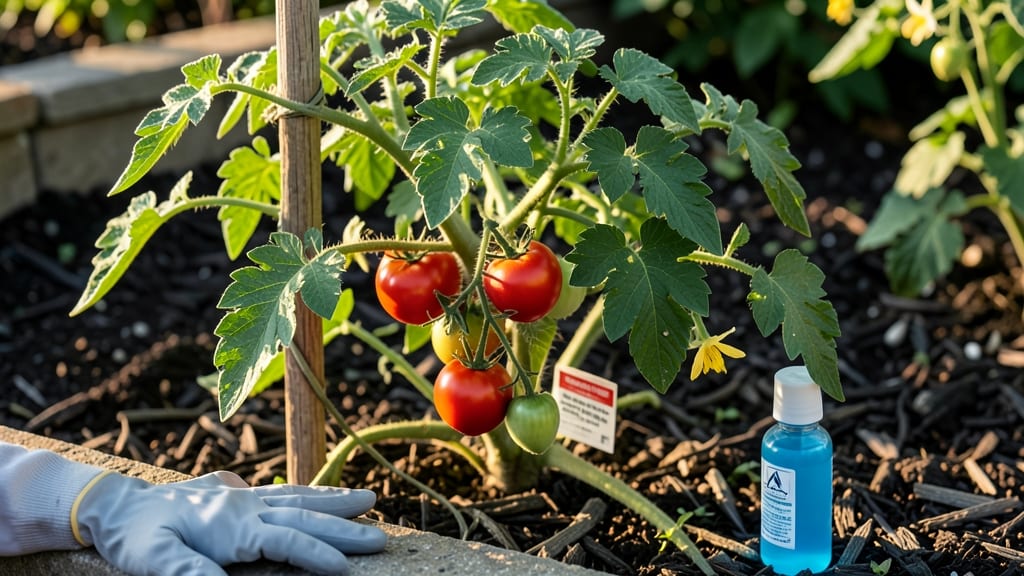
A tomato sauce allergy can be triggered by nightshade ingredients (tomatoes, peppers, eggplants), preservatives, or cross-contamination with spices like oregano and basil. Many commercial sauces also contain garlic, onion, or citrus thickeners that may cause reactions.
Allergic reactions to tomato sauce often go beyond just tomatoes themselves. The Solanaceae family—which includes tomatoes, peppers, and eggplants—shares similar proteins that can provoke immune responses. 🌶️ Even if you tolerate fresh tomatoes, the cooking process or added ingredients may alter how your body reacts.
For example, some people develop sensitivities to the lycopene in cooked tomato products, which isn't present in raw tomatoes. Cross-contamination during processing is another common culprit, especially in store-bought sauces where shared equipment may introduce traces of other allergens.
Understanding the full scope of potential triggers helps allergy sufferers make safer choices. Many commercial sauces also contain preservatives or natural flavorings that can exacerbate reactions, making homemade alternatives a more predictable option.
Always check labels for hidden nightshade derivatives or added thickeners like citrus pectin, which can sneak into recipes unexpectedly.
💡 In This Article
- Nightshade Plants and Allergic Reactions in Tomato Sauce
- Safe Homemade Tomato Sauce Alternatives for Allergy Sufferers
Nightshade plants and allergic reactions in tomato sauce
The Solanaceae family—where tomatoes, peppers, and eggplants belong—shares specific proteins called pathogenesis-related proteins (PR proteins) that can trigger allergic responses. These proteins act as defense mechanisms for the plant, but when ingested, they may provoke immune reactions in sensitive individuals.
For instance, the Solanaceae-specific allergen Sol s 1 found in tomatoes has been linked to cross-reactivity with other family members, meaning someone allergic to peppers might also react to tomato sauce.
Cooking transforms these proteins in ways that can either reduce or amplify reactions. Raw tomatoes contain lycopene in its natural form, which is less allergenic, but cooking breaks down cell walls and increases lycopene's bioavailability—potentially heightening sensitivity in some people.
The heat also denatures proteins, creating new epitopes (molecular patterns) that the immune system may recognize as foreign. 🌿 This explains why someone might tolerate fresh tomatoes but react to tomato sauce, where the proteins have been structurally altered during the cooking process.
Commercial tomato sauces often contain additional nightshade-derived ingredients that compound the issue. For example, sun-dried tomatoes are concentrated in lycopene and other allergens, while tomato paste may include added preservatives like sodium benzoate, which can trigger reactions in sensitive individuals.
Even spices like oregano and basil—common in sauces—can cross-contaminate during processing, introducing trace allergens that accumulate in the final product.
Another critical factor is the pH level of the sauce. Tomato sauces are acidic (pH 4.0-4.5), which can enhance the stability of certain allergens. This acidity also interacts with proteins to form complexes that may be more resistant to digestion, increasing the likelihood of immune system activation.
For comparison, a homemade sauce made with fresh basil and olive oil (pH-neutral) would present a lower allergenic risk for nightshade-sensitive individuals.
Cross-reactivity extends beyond the Solanaceae family. Some people with nightshade allergies also react to potatoes or tobacco due to shared protein structures. This is why allergy testing often includes multiple nightshade sources to identify the full spectrum of sensitivities.
Understanding these botanical connections helps explain why reactions can vary widely—even between different brands of tomato sauce.
If you suspect a nightshade allergy, consider eliminating all Solanaceae family members for 2-4 weeks while monitoring symptoms.
Keep a food diary to track reactions, as delayed responses (like skin rashes or digestive issues) can take hours or even days to appear. 🔍 This systematic approach helps pinpoint whether the reaction stems from the tomatoes themselves, added ingredients, or cross-contamination.