
How To
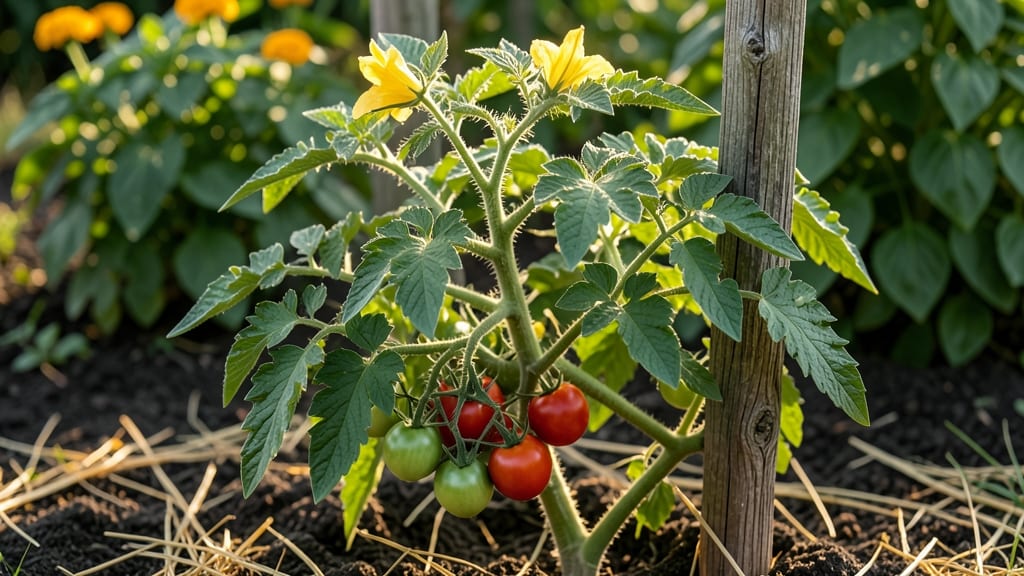
Tracking tomato seed to harvest time is all about knowing when to start, what to watch for, and how to keep your plants on schedule from the first sprout to that first ripe 🍅.
Ever stared at a seedling and wondered, "Will this ever turn into a tomato?" The truth is, the timeline from seed to harvest isn’t just about waiting—it’s about understanding each stage so you can predict your exact pick date with confidence.
From germination to fruiting, every step matters: soil warmth, sunlight hours, and even the type of tomato you’re growing can shift your harvest window by weeks. Get it right, and you’ll enjoy homegrown tomatoes in just 60 to 90 days—or learn why yours are taking longer than expected.
In this guide, I’ll walk you through the exact milestones, common pitfalls, and proven tricks to ensure your tomatoes hit peak ripeness at the perfect time.

Tomato growth stages from seed to harvest: timeline & key milestones
Growing tomatoes from seed to harvest is like watching a tiny miracle unfold in your garden. Each stage—from the first sprout to that first ripe fruit—has its own timeline and visual cues that tell you exactly what’s happening.
Understanding these milestones helps you predict your harvest date and troubleshoot issues before they derail your crop. Whether you're a beginner or a seasoned gardener, knowing what to expect at each phase turns guesswork into confidence.
From the moment you plant a seed to the day you pluck a sun-ripened tomato, the journey spans 60 to 90 days, depending on the variety. Determinate tomatoes (like Roma or Bush Early Girl) typically mature faster—around 60-70 days—while indeterminate varieties (like Cherry or Beefsteak) can take up to 85-90 days.
Tracking these stages isn’t just about patience; it’s about giving your plants the right care at the right time to maximize yield and flavor.
| Stage | Days to Complete | Key Visual Indicators | Critical Care Tasks |
|---|---|---|---|
| Germination | 5–14 days | First green sprouts (cotyledons) appear | Keep soil moist, provide warmth (70–85°F) |
| Seedling | 14–30 days | True leaves (not cotyledons) emerge, stem thickens | Hardening off, ensure 6+ hours sunlight |
| Transplant | 7–14 days post-transplant | New growth appears after shock recovery | Water deeply, mulch to retain moisture |
| Vegetative Growth | 20–40 days | Stems thicken, leaves fill out | Fertilize lightly, stake if needed |
| Flowering | 7–14 days | Yellow flowers bloom (morning), may drop if stressed | Pollinate by hand if needed, avoid overwatering |
| Fruiting | 30–60 days | Green tomatoes swell, color deepens | Prune suckers, fertilize for fruit development |
| Harvest | Varies by variety | Fruit reaches full color, yields slightly to touch | Pick regularly to encourage more production |
The first stage, germination, kicks off when your seeds sprout those tiny cotyledons (the first leaves). This usually happens within 5–14 days, depending on temperature and moisture. Keep the soil consistently moist but not soggy—think of it like a damp sponge.
If your seeds take longer than two weeks to sprout, they might need warmth (aim for 70–85°F) or a gentle nudge with a seed-starting mat.
Once your seedlings emerge, you’ll notice the transition from cotyledons to true leaves—these are the second set of leaves that look like miniature versions of the mature plant. This seedling stage lasts about 14–30 days and is when you’ll start hardening off your plants if you’re transplanting outdoors.
Hardening off means gradually exposing seedlings to outdoor conditions (sun, wind, and cooler temps) over 7–10 days to prevent shock.
Transplanting is a critical milestone that can make or break your tomato’s success. After hardening off, your seedlings should be ready to move to their permanent home 7–14 days post-transplant. Look for new growth and vibrant leaves as a sign they’ve recovered from the shock.
This is also when you’ll want to mulch heavily to retain moisture and suppress weeds, as tomatoes have shallow roots and need consistent hydration.
During the vegetative growth stage, your tomato plant will focus on building its structure—thickening stems and filling out leaves. This phase can last 20–40 days and is the perfect time to fertilize lightly with a balanced 10-10-10 mix.
If you’re growing indeterminate varieties, consider installing cages or stakes early to support their climbing habit. Prune any lower leaves that touch the soil to prevent disease.
The flowering stage is when the magic happens, but it’s also a delicate phase. You’ll see yellow flowers bloom in the morning, which may drop by afternoon if the plant is stressed. To encourage pollination, gently shake the plant or use a small brush to transfer pollen.
Avoid overwatering during this stage—consistent moisture is key, but soggy soil can cause blossom end rot. If flowers drop, reduce stress by ensuring full sun (6+ hours) and balanced nutrients.
Once flowers turn into tiny green tomatoes, you’ve entered the fruiting stage, which can last 30–60 days depending on the variety. This is when your plant needs the most attention: prune suckers (the shoots that
How to calculate your exact tomato harvest date using growth stages
Predicting your tomato harvest date isn’t guesswork—it’s science! By tracking your plant’s growth stages and adjusting for your local climate and variety type, you can pinpoint the exact window when your tomatoes will ripen.
Start by noting your seed-starting date and the days-to-maturity listed on your seed packet, then factor in environmental conditions.
For example, a determinate variety like 'Celebrity' typically matures in 65-75 days, while an indeterminate type like 'Sungold' can take 75-90 days or longer. However, these estimates assume ideal conditions—6+ hours of sunlight, warm soil temperatures, and consistent moisture.
If your growing season is shorter or cooler, you’ll need to adjust your timeline accordingly.
Start Date
Record your seed-starting date (indoors) or transplant date (outdoors). This is your Day 0.
Variety Days
Add the days-to-maturity from your seed packet. Determinate varieties (e.g., 'Roma') mature faster (60-70 days), while indeterminate types (e.g., 'Beefsteak') take 75-90+ days.
Climate Adjustments
Subtract 5-10 days for cooler climates (Zone 4-5) or add 5-10 days for hotter zones (Zone 8+). Sunlight (<6 hours/day) adds 10-15 days.
Harvest Window
Your final date is your predicted harvest window. For example, starting Sungold seeds on March 1 in Zone 6a with full sun gives a July 15-20 harvest.
Let’s say you started your indeterminate 'Sungold' seeds on February 28 indoors. According to the packet, they’ll mature in 80 days. Adding those days to your start date lands you on May 18—but that’s just the beginning! Your actual harvest depends on transplant timing and outdoor conditions.
If you transplant seedlings on April 15 (when soil reaches 60°F), your 80-day count now starts from April 15, pushing your estimated harvest to July 4.
However, if your summer is unusually hot, your tomatoes might ripen 2-3 weeks earlier due to accelerated growth. Conversely, cooler temperatures could delay ripening by 1-2 weeks.
Pro tip: Use a gardening journal to track flowering dates and fruit set. Once you see the first tomato blossoms, count 45-60 days to estimate your harvest.
For determinate varieties, expect a 2-3 week harvest window as all fruit ripens at once. Indeterminate types produce continuously, so you’ll enjoy fruit for weeks!
Don’t forget to account for pest pressure or disease outbreaks, which can delay ripening. If you notice early blight or hornworms, address issues promptly to keep your plants on track.
With this method, you’ll go from seed to homegrown tomatoes with confidence—and maybe even plan your summer BBQ menu around your harvest! 🍅