
Vegetables
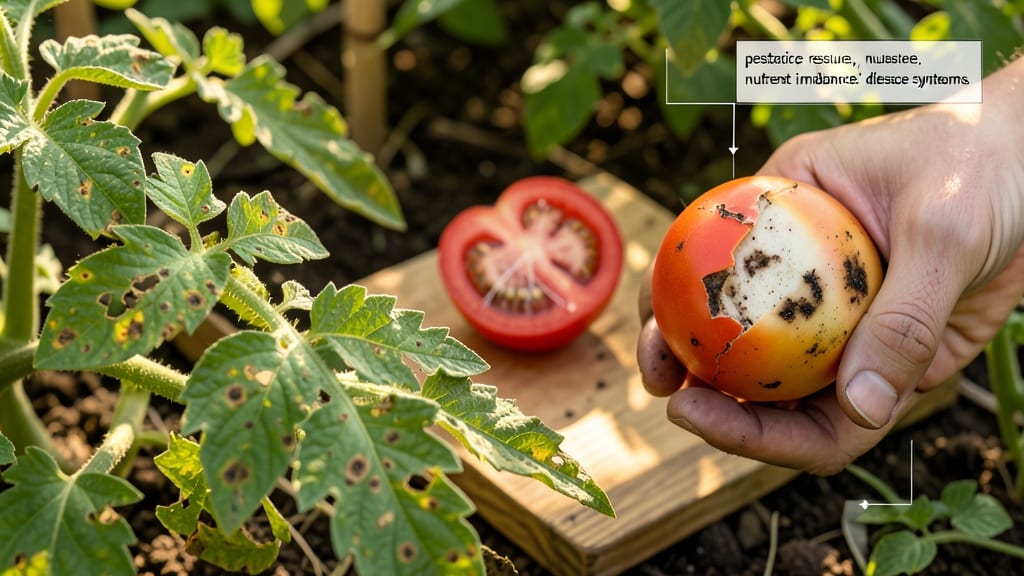
Tomato side effects may cause allergic reactions such as skin rashes, itching, or swelling, while overconsumption can lead to acid reflux or kidney stones in vulnerable people. Rarely, green tomatoes or sprouts may contain solanine, a toxic compound.
Most people enjoy tomatoes without issues, but some experience allergic reactions due to nightshade compounds like solanine or histamines. 🌱 Cooking reduces these compounds, but green or sprouted tomatoes carry higher risks.
If you're prone to acid reflux, moderation is key—excessive intake can worsen symptoms. For kidney stone sufferers, the oxalates in tomatoes may contribute to crystal formation over time.
Gardeners should harvest tomatoes fully ripe to minimize solanine exposure, as unripe fruit contains higher levels. Storing tomatoes properly prevents spoilage, which can increase toxin production. If you're sensitive to nightshades, alternatives like cucumbers or zucchini offer similar textures without the same risks.
💡 In This Article
- Common Tomato Allergies and Toxic Compounds
- Managing Tomato-Related Health Risks in Gardening
Common tomato allergies and toxic compounds
Tomatoes belong to the nightshade family, which means they contain natural compounds like solanine and histamines that can trigger reactions in sensitive individuals.
Solanine, a glycoalkaloid, is most concentrated in green or unripe tomatoes and their sprouts, where levels can reach up to 20-50 mg per 100 grams—enough to cause mild toxicity if consumed in large quantities. 🌱 When tomatoes ripen, solanine levels drop dramatically because the plant redirects energy toward lycopene production (the compound that gives ripe tomatoes their red color).
This is why fully ripe, red tomatoes are far safer for consumption.
The allergic response to tomatoes often stems from histamines and other bioactive compounds that trigger immune reactions. Symptoms typically appear within 30 minutes to 2 hours after consumption and may include hives, swelling, or even difficulty breathing in severe cases.
Nightshade sensitivity can also cause digestive upset like bloating or heartburn, particularly in people with histamine intolerance. The skin of tomatoes contains higher concentrations of these compounds, so peeling them can reduce risk for sensitive individuals.
Cooking tomatoes significantly reduces solanine content because heat breaks down these compounds. For example, boiling green tomatoes for 10-15 minutes can reduce solanine levels by up to 50%.
However, this doesn't eliminate the risk entirely—people with severe sensitivities should still avoid unripe tomatoes. 🔥 The key is understanding the balance: ripe tomatoes are generally safe, while green or sprouted varieties pose higher risks due to their chemical composition.
Respiratory symptoms like wheezing or throat tightening after eating tomatoes may indicate a more severe allergic reaction, requiring immediate medical attention. These reactions are less common but can occur in people with pre-existing allergies to other nightshades like potatoes or peppers.
If you notice these symptoms, an allergist can perform skin prick tests or blood tests to confirm nightshade sensitivity and provide guidance on safe consumption levels.
For those prone to acid reflux, tomatoes' natural acidity (pH ~4.2) can exacerbate symptoms, especially when consumed in large amounts or on an empty stomach.
The oxalates in tomatoes also contribute to kidney stone formation in susceptible individuals, particularly when combined with high-calcium diets. 💫 To mitigate these risks, pair tomatoes with alkaline foods like cucumbers or avocados, and avoid consuming them in excess during flare-ups.
Interestingly, the lycopene in ripe tomatoes has been linked to numerous health benefits, including reduced risk of heart disease and certain cancers. This highlights why moderation and proper preparation are crucial—when consumed safely, tomatoes offer nutritional benefits that outweigh their potential risks for most people.