
How To
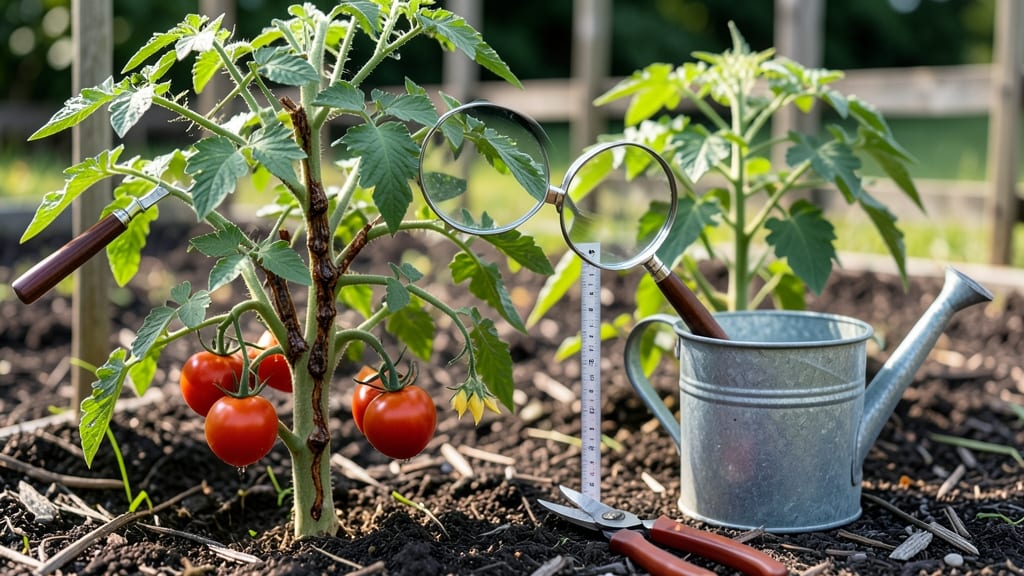
When your tomato stems turn brown, it’s often the first sign of a plant emergency—but it’s also your chance to act before the whole plant collapses. 🌱 I’ve saved more tomatoes than I’ve lost by catching this early, and the key is knowing whether it’s blight, bacterial rot, or something else entirely.
The difference between a thriving vine and a sad pile of leaves often comes down to what you do in the first 48 hours.
Most brown stems start with fungal diseases like early blight or Septoria leaf spot, which thrive in damp, crowded conditions. Check for dark spots on leaves or stems—those are classic warning signs.
Overwatering or poor air circulation makes it worse, while under-watering can cause stress that invites pests like aphids, which weaken plants and leave them vulnerable. The good news? You can still turn things around with the right steps.
Start by pruning away infected stems and leaves (sterilize your pruners with rubbing alcohol first!). Then adjust your watering—keep soil consistently moist but never soggy, and water at the base, not overhead.
Adding mulch helps prevent soil splash, and spacing plants properly improves airflow. For stubborn cases, a copper fungicide spray (applied in the evening) can be a game-changer.
With these fixes, you’ll often see new green growth within a week. The plants may never be as vigorous as they were before the stress, but they’ll bounce back enough to produce fruit—just maybe a little later in the season. The key is acting fast and staying consistent.
Root Causes Behind Browning Stems
When your tomato plants start showing brown, discolored stems, it’s often a cry for help from the plant itself. Understanding the why behind this distress signal is the first step to saving your garden. Below, we break down the most common culprits—each with its own telltale signs and scientific triggers.
Tomato stems are delicate, and excessive heat or direct sunlight can cause them to brown and crisp—almost like a sunburn. This happens when:
- Temperatures soar above 90°F (32°C): The plant’s protective waxy layer (cuticle) breaks down, leading to necrosis (dead tissue).
- Reflective surfaces (like white walls or pavement) amplify UV rays, intensifying damage.
- Poor airflow traps heat around stems, accelerating browning.
Pro Tip: 🌿 Mulch heavily with straw or grass clippings to insulate roots and reduce stem exposure. If possible, provide afternoon shade with shade cloth (30-50% coverage).
Water is the lifeblood of tomato plants, and imbalances trigger browning stems through two mechanisms:
| Cause | How It Happens | Signs to Watch For |
|---|---|---|
| Underwatering | Cells lose turgor pressure, and the plant’s vascular system (xylem) collapses, causing oxidative stress in stem tissues. | Stems feel brittle; leaves wilt even at night (not just during the day). |
| Overwatering | Oxygen deprivation (anoxia) in roots forces the plant to prioritize survival over stem health, leading to phytoalexin buildup (toxic compounds that cause browning). | Stems appear mushy; soil smells sour or like rot; fungal growth (mold) may appear. |
Actionable Fix: 💡 Water deeply 1-2 times per week (1-1.5 inches total) and check soil moisture 2 inches down—it should feel like a wrung-out sponge. Use drip irrigation to avoid wetting foliage.
Fungi like Fusarium wilt, Verticillium wilt, and early blight thrive in warm, humid conditions and attack tomato stems by:
- Clogging xylem vessels: Fungal spores release toxins that block water transport, causing vascular discoloration (brown streaks inside stems).
- Weakening cell walls: Enzymes like pectinases break down stem structure, leading to collapse.
- Spreading via splashing water: Soil-borne spores hitchhike on raindrops or overhead watering.
Red Flags:
- Brown streaks inside the stem when cut open.
- Yellowing leaves that wilt suddenly (even if soil is moist).
- Black or tan spots on lower leaves (early blight).
Prevention: 🔥 Rotate crops annually, remove infected plants immediately, and apply copper fungicide preventatively during humid spells.
Insects don’t just eat leaves—they sever or weaken stems, leaving behind brown, jagged edges or sticky residue. Common pests include:
- Colorado potato beetles: Chew stems at the base, causing girdling (a ring of damage that strangles the plant).
- Aphids and whiteflies: Inject toxins while feeding, causing stunting and brown, curled leaves.
- Tomato hornworms: Strip stems clean overnight, leaving behind frass (black droppings) and wilting foliage.
Defense Strategy: 🎯 Handpick beetles and worms at dawn (they’re sluggish then). Use neem oil or kaolin clay as a barrier for sap-suckers.
Sometimes, browning stems are a side effect of over-fertilizing or using harsh chemicals:
- Salt buildup: Excessive synthetic fertilizers (high in sodium) disrupt osmotic balance, causing stem cells to dehydrate and turn brown.
- Herbicide drift: Glyphosate or other systemic herbicides can mimic fungal symptoms, leading to stem necrosis.
- Potassium deficiency: Stems may develop brown, corky lesions due to weakened cell structure.
Solution: 🌡️ Flush soil with water if salt buildup is suspected. Switch to organic compost or a balanced fertilizer (like 5-5-5). Test soil pH—aim for 6.0-6.8 for tomatoes.
How to Fix Weakened Tomato Stems
Now that you know why your tomato stems are turning brown, it’s time to take action! The good news? Most issues are fixable with quick fixes and smart prevention. Below, we’ve mapped out practical solutions for each common cause—plus tips to keep your plants thriving.
If your stems are mushy, discolored, or oozing, fungal infections like early blight or late blight are likely the culprits.
🍳 Remove Infected Plant Parts
- Snip out the problem areas with clean, sterilized pruners (dip in rubbing alcohol or bleach solution).
- Do NOT compost infected plant debris—burn or trash it to prevent spread.
- Avoid overhead watering—use a drip irrigation system or water at the base.
👨🍳 Apply Fungicide Treatments
- Copper-based sprays (like Bordeaux mixture) or neem oil work well for early blight.
- Baking soda spray (1 tsp baking soda + 1 quart water + a drop of dish soap) can help prevent late blight.
- Reapply every 7–10 days or after rain.
🌡️ Improve Air Circulation & Light
- Prune crowded branches to allow airflow.
- Space plants 18–24 inches apart (or use trellises for vertical growth).
- Ensure 6+ hours of sunlight daily—weak stems thrive in damp, shady conditions.
If stems feel soggy or roots are exposed, root rot or waterlogging may be the issue.
💡 Adjust Your Watering Routine
- Water deeply but infrequently—aim for 1–1.5 inches per week (check soil moisture with your finger).
- Water in the morning so foliage dries quickly.
- Use raised beds or containers if your garden soil drains poorly.
🔪 Fix Drainage Issues
- Amend heavy clay soil with compost or perlite.
- Add mulch (2–3 inches) around the base (but keep it away from stems to prevent rot).
- Check for buried pots or compacted soil—loosen roots gently if needed.
If stems are thin, brittle, or yellowing, your tomatoes may need a nutrient boost.
💪 Fertilize Correctly
- Use a balanced fertilizer (10-10-10 or 5-5-5) every 2–3 weeks during growing season.
- Avoid high-nitrogen fertilizers—they promote leafy growth but weaken stems.
- Try compost tea or fish emulsion for a gentle organic boost.
🥗 Boost Calcium & Potassium
- Crushed eggshells or lime (for calcium) can prevent blossom end rot (which stresses stems).
- Banana peels or wood ash (for potassium) help strengthen stems.
Once your plants recover, keep them healthy long-term with these pro tips:
✨ Rotate crops—don’t plant tomatoes in the same spot yearly (fungi linger in soil). ✨ Start with disease-resistant varieties (like ‘Celebrity’ or ‘Mountain Merit’). ✨ Inspect plants weekly—catch brown spots early before they spread. ✨ Disinfect tools between pruning sessions to avoid cross-contamination.
Remember: A little prevention goes a long way! With these fixes, your tomato plants should bounce back—and next season, they’ll be stronger than ever. 🍅💪
Frequently asked questions
What's the difference between brown stems from blight vs. heat damage?
Blight causes dark, water-soaked spots that spread quickly and often appear on leaves first. Heat damage looks more like dry, crispy patches with no wet edges, usually on exposed stems during 90°F+ days. Check for wilting leaves—blight wilts suddenly, while heat stress wilts during peak sun.
Can I still save my tomato plant if half the stem is brown?
It depends! If the browning is from fungal blight, prune back to healthy green tissue and treat immediately. For heat damage, provide shade and mulch to recover. If the stem is mushy or hollow (root rot), the plant may not survive—but try repotting healthy sections in fresh soil. Act fast!
Why does my tomato plant have brown stems but green leaves?
This often signals vascular diseases like Fusarium or Verticillium wilt. Cut open the stem—if you see brown streaks inside, it's a fungal blockage. Green leaves can still photosynthesize while roots struggle, but the plant is essentially starving. Remove infected plants immediately to protect others.
How often should I check my tomato stems for early signs of browning?
Inspect stems every 3-4 days during humid weather or after rain. Focus on the base of stems and leaf joints—these are prime spots for fungal spores. Morning checks work best when stems are turgid (full of water). Early detection means faster recovery!
Will copper fungicide harm my tomato plants if I use it too often?
No, copper is safe when used correctly! Apply every 7-10 days during outbreaks, but avoid spraying when tomatoes are ripe or flowering (can damage fruit). For prevention, use it once every 2 weeks during peak growing season. Always follow label instructions—it's one of the few fungicides that's both effective and plant-friendly.