
Companion Plants
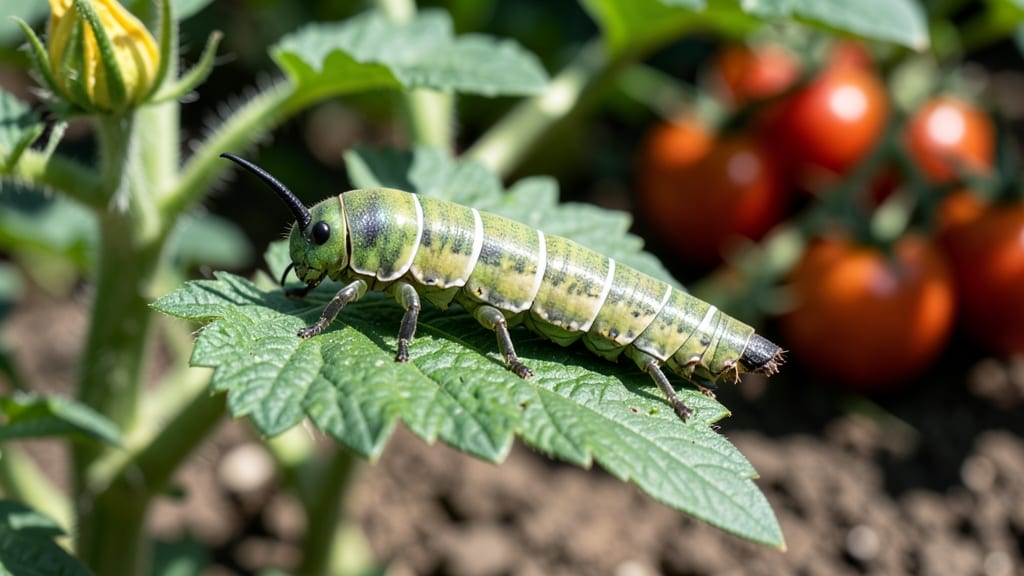
The insects that attack tomato plants are among the most relentless pests in any garden, capable of turning a thriving crop into a skeletonized mess in days.
The first time I lost an entire plant to hornworms, I swore off growing them—until I learned how to spot the warning signs and fight back effectively. These hungry insects don’t just nibble; they can strip a plant bare in days if you’re not watching.
From tiny aphids sucking sap to massive hornworms devouring leaves, each pest leaves distinct clues. Wilting vines, chewed foliage, or sticky residue on leaves? Those are your first warnings.
The good news? Most problems can be prevented with simple habits like companion planting, regular inspections, and a few targeted organic sprays.
You’ll learn to recognize the 15 most destructive pests and how to eliminate them—without harsh chemicals. My garden now produces twice the tomatoes because I act at the first sign of trouble. The key is catching infestations early, when a quick spray or handpick can save your harvest.
Whether you’re dealing with whiteflies, Colorado potato beetles, or spider mites, this guide gives you the tools to protect your plants naturally. No more helplessly watching your hard work disappear overnight—just healthy, thriving tomatoes all season long.
Root Causes of Tomato Plant Attacks
Tomato plants are a magnet for pests—not because they’re weak, but because they’re nutrient-rich and highly vulnerable during specific growth stages. Understanding why insects target your tomatoes is the first step to stopping them before they cause damage.
Below, we break down the key triggers that turn your garden into an all-you-can-eat buffet for bugs.
Tomatoes thrive when they have space, sunlight, and proper airflow—but when these conditions falter, pests move in like opportunistic dinner guests.
- Poor Spacing: Plants grown too close retain moisture on leaves, creating the perfect humid microclimate for soft-bodied insects like aphids and whiteflies.
These pests prefer damp, shaded environments where predators (like ladybugs) can’t easily patrol. - Nutrient Deficiencies: Tomatoes deficient in nitrogen, phosphorus, or potassium become weaker and more attractive to sap-sucking insects.
For example, hornworms target stressed plants because their lower tannin levels make them easier to digest. - Water Stress: Both overwatering (root rot, fungal growth) and underwatering (wilting, stunted growth) signal to insects that a plant is compromised. Flea beetles and spider mites exploit these conditions to feed on tender new growth.
💡 Pro Tip: Prune regularly to improve airflow, and mulch with straw to retain moisture without creating soggy conditions. A balanced fertilizer (like 10-10-10) keeps tomatoes resilient.
Tomatoes aren’t just attacked for their leaves—their fruit at every stage is a target for different pests.
| Fruit Stage | Common Pests | Why They Attack |
|---|---|---|
| Green/Unripe | Hornworms, Cutworms | High moisture content; easy to chew through thin skin. |
| Ripe/Soft | Fruitworms, Stink Bugs | Sugary, thin-skinned fruit is irresistible; stink bugs inject toxins that cause dark spots. |
| Damaged (Bruised) | Aphids, Fungal Infections | Open wounds attract secondary pests; blossom end rot (from calcium deficiency) makes fruit even more susceptible. |
🔥 Warning: Stink bugs don’t just eat tomatoes—they pierce fruit, injecting enzymes that create internal browning. This makes the fruit inedible even if the exterior looks fine.
While marigolds, basil, and nasturtiums repel pests, poor companion choices can attract them instead.
- Attracting Beneficial Insects’ Enemies: Some "companion plants" (like dill or fennel) draw parasitic wasps that kill predatory insects (e.g., lacewings, which eat aphids).
Without these natural controls, aphid populations explode. - Magnetic Plants for Tomato Pests: Cabbage family plants (broccoli, kale) near tomatoes can lure cabbage loopers, which then migrate to tomatoes.
Similarly, potatoes attract colorado potato beetles, which may cross over. - Weeds as Pest Hotels: Unchecked weeds (like nightshade or purslane) harbor tomato hornworm eggs and whitefly colonies. These pests jump ship to tomatoes when resources run low.
✨ Smart Pairing: Plant tomatoes near garlic, onions, or chives—their strong scent masks tomato odors, making them less detectable to pests.
Pests don’t attack randomly—they time their invasions based on temperature, humidity, and tomato growth cycles.
- Warmth = Pest Boom: Most tomato pests thrive in 70–85°F (21–29°C). Whiteflies and aphids reproduce exponentially in heat, while spider mites (which prefer dry conditions) become active when humidity drops below 40%. - Early Season Risks: Flea beetles and corn earworm moths lay eggs as soon as soil warms (50°F/10°C).
Their larvae devour seedlings before you even notice. - Late Season Surges: Stink bugs and harlequin bugs become aggressive as tomatoes ripen in fall, seeking high-sugar meals before winter.
🌡️ Actionable Fix: Use row covers in early spring to block flying pests, and harvest tomatoes early in hot climates to avoid stink bug damage.
What’s under your tomato plants can be just as dangerous as what’s above.
- Excess Nitrogen: While nitrogen greens up foliage, it makes plants soft and palatable to chewing insects like cutworms.
A high-nitrogen soil (from fresh manure or synthetic fertilizers) is a red flag for pests. - Lack of Beneficial Microbes: Healthy soil teems with fungi and bacteria that repel pests. Overusing pesticides or sterilizing soil (e.g., with vinegar) destroys these natural defenses, leaving tomatoes defenseless. - pH Imbalances: Tomatoes prefer pH 6.0–6.8. Alkaline soil (pH >7.0) reduces calcium uptake, leading to blossom end rot—which then attracts fruit flies and maggots.
💪 Soil Solution: Test your soil and amend with compost, mycorrhizal fungi, or sulfur to balance pH and boost natural pest resistance.
Pests don’t attack healthy, well-spaced, properly nourished tomato plants—they go for the easy targets. By addressing crowding, nutrient gaps, companion plant mistakes, and environmental triggers, you remove the invitation before the bugs even arrive.
Next, we’ll dive into how to spot these pests early—so you can act before they ruin your harvest. 🍅🚫🐛
Quick Fixes for Tomato Plant Invaders
Tomato plants are a magnet for pests, but don’t let them ruin your harvest! With the right strategies, you can kick those bugs to the curb and keep your plants thriving.
Below, we’ll tackle common tomato pests with practical, science-backed solutions—from organic sprays to cultural fixes. Follow these steps to protect your plants now and prevent future attacks.
Cause: These green striped caterpillars devour leaves and fruit overnight. 🌿🍅
How to Fix It:
- 🔪 Handpick & Drown: Check plants daily (especially in the morning). Drop hornworms into soapy water—no mercy!
- 🐛 Introduce Predators: Ladybugs and parasitic wasps love hornworms. Plant dill, fennel, or marigolds nearby to attract them.
- 🍳 Neem Oil Spray: Mix 1 tbsp neem oil + 1 tsp dish soap + 1 quart water. Spray every 3–5 days to disrupt their life cycle.
- 🌡️ Row Covers: Use fine mesh netting over young plants to block eggs and larvae.
💡 Pro Tip: If you spot white cocoons (signs of parasitic wasps), leave them alone—they’re nature’s pest control!
Cause: These tiny green/black bugs cluster on leaves, causing yellowing and stunted growth. 🍃🐛
How to Fix It:
- 💦 Blast Them Off: Spray plants with a strong stream of water (aphids hate this!).
- 🌿 Soap Spray: Mix 1 tbsp castile soap + 1 quart water. Spray directly on clusters—repeat every 2–3 days.
- 🐝 Encourage Beneficial Insects: Ladybugs, lacewings, and hoverflies feast on aphids. Plant alyssum or yarrow to attract them.
- 🌱 Companion Planting: Garlic, chives, or basil repel aphids naturally.
✨ Bonus: Crushed garlic spray (1 chopped garlic clove + 1 quart water, steep 24 hours) works as a natural insecticide.
Cause: These tiny white moths cluster on undersides of leaves, weakening plants and spreading viruses. ✈️🌿
How to Fix It:
- 🕯️ Yellow Sticky Traps: Hang yellow cards coated in petroleum jelly near plants to trap adults.
- 🍳 Insecticidal Soap: Spray early in the morning (whiteflies are sluggish then). Use every 5–7 days.
- 🌡️ Reflectant Mulch: Cover soil with aluminum foil or white plastic to disrupt their breeding cycle.
- 🌱 Neem Oil + Kaolin Clay: Mix 1 tbsp neem + 1 tbsp clay in water. Spray to smother eggs and deter adults.
💡 Pro Tip: Avoid overwatering—whiteflies thrive in damp, warm conditions.
Cause: These orange-and-black beetles (and their larvae) skeletonize leaves—nothing stops them! 🥔🐞
How to Fix It:
- 🔪 Handpick Daily: Check plants every morning and drop them into soapy water.
- 🌿 Row Covers: Use floating row covers early in the season to block adults.
- 🍳 Beer Trap: Bury a container filled with beer near plants—beetles drown in it (gross but effective!).
- 🌱 Trap Crops: Plant potatoes or eggplants away from tomatoes to lure beetles away.
🎯 Warning: Do NOT use chemical sprays—these beetles develop resistance fast!
Even the best gardeners prevent pests better than they treat them. Here’s how:
| Method | How It Helps | When to Use |
|---|---|---|
| 🌱 Crop Rotation | Prevents soil-borne pests from building up. | Switch tomato families yearly. |
| 🌿 Healthy Soil | Strong plants repel pests better. Use compost + worm castings. | Before planting season. |
| 💦 Water at Base | Avoids leaf wetness, reducing fungal pests (like aphids). | Early morning or evening. |
| 🌡️ Companion Planting | Basil, marigolds, and onions deter many tomato pests. | Plant alongside tomatoes. |
| 🕯️ Regular Scouting | Catch pests early before they multiply. Check undersides of leaves. | 2–3 times per week. |
Final Thought: Most tomato pests are easy to beat with consistent monitoring and a few smart tricks. Act fast, and your plants will thrive—no bug buffet needed! 🚀🍅
Frequently asked questions
What are the most destructive pests that attack tomato plants?
The worst offenders include hornworms (giant green caterpillars), aphids (tiny sap-suckers), whiteflies (tiny white moths), and Colorado potato beetles. These pests can defoliate plants in days and even damage fruit. Regular inspections help catch them early.
How do I know if my tomato plants have pests?
Look for chewed leaves, sticky residue (aphid honeydew), yellowing foliage, or tiny eggs/larvae on undersides. Wilting or stunted growth often signals an infestation. Check plants 2-3 times per week for early signs.
Can I use chemical pesticides on tomato plants?
Use chemicals only as a last resort. Many pests (like Colorado potato beetles) develop resistance quickly. Organic options like neem oil, insecticidal soap, or handpicking work better long-term. Always follow label instructions for safety.
What’s the best way to prevent tomato pests naturally?
Start with healthy soil (compost + worm castings) and proper spacing for airflow. Plant companion plants like basil or marigolds, and introduce beneficial insects (ladybugs, lacewings). Row covers in early season block many flying pests.
Will tomato pests affect the fruit I can eat?
Some pests (like hornworms) eat leaves but rarely fruit. Others (like stink bugs) pierce fruit, causing internal damage. Always wash tomatoes thoroughly before eating, and remove any visibly damaged fruit immediately to prevent spread.